Ever thrown out a bag of slimy salad or forgotten leftovers? You’re not alone – and it adds up. Around a third of all food ends up lost or wasted, and a significant part of that happens right in our own kitchens.
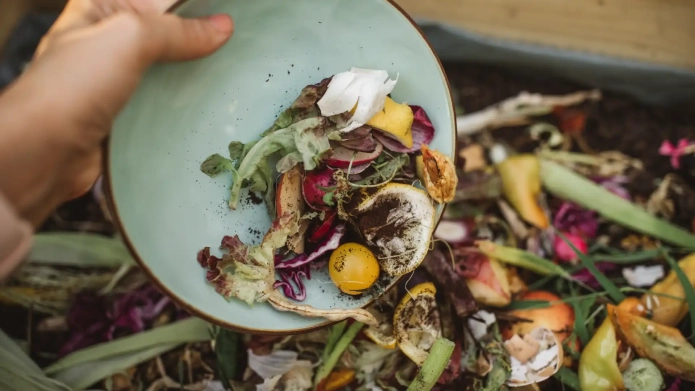
Wasting food is like throwing your money in the bin. If food wasted in the EU by consumers and retailers was halved, the average family of four could save around €400 a year.2 Food waste is also bad for the planet. It’s a waste of energy and resources. Those animals were raised, vegetables were grown, ingredients were processed, packaged, and transported. And once food ends up in landfill, it releases greenhouse gases into the atmosphere.
During a typical year in the EU…3 4
- The average person throws away 131 kg of food
- Food waste leads to 252 million tonnes of CO₂ emissions – significantly more than Europe’s airline industry
The good news? You don’t need to overhaul your life to make a difference. Here are five tips to help you reduce food waste – with benefits for your wallet and the planet.
Tip 1: Plan Ahead
It’s easy to get swept up by multi-buy deals or tempting displays at the shop. But buying more than you actually need is one of the main reasons food ends up in the bin.5 Without a plan, it’s hard to guess exactly what you’ll use during the week.
Let’s be honest: most of us are super busy, and meal planning can feel like yet another task on a long to-do list. In fact, many people say time pressure is one of the biggest barriers to managing food better.6 But a little forward-thinking can go a long way in improving efficiency.
Try carving out just 20 minutes a week to plan. For some, that might be on Saturday morning with a coffee. Others might squeeze it in on Monday night after the kids have finally gone to bed.
Keep things simple. No need to plan Michelin-star meals every night. Begin with four basic dinners, and let leftovers carry you through the rest. Leave a day or two for spontaneity if you like. It’s all about adapting to your schedule and noticing if certain foods are repeatedly wasted. Keeping a proper inventory of your fridge and pantry can help identify these patterns.
Planning ahead not only helps prevent waste. It can also save money, time, and help you avoid those midweek “what’s for dinner?” panics.
Tip 2: Store food smartly
There’s nothing worse than coming home hungry, ready to tuck into leftovers – only to find they’re turning mouldy and smell bad. Storing food properly can ensure food stays fresh for longer and help you avoid this disappointment.
Poor storage is a major reason good food goes to waste at home. Cooked meals, half-used ingredients, and open packages often need to be refrigerated. It’s worth checking the expiration and storage instructions on the packaging.
A little organisation helps, too. Try keeping leftovers at the front of your fridge, where you’ll see them. You could stick a basic planner on your fridge door with “eat by” dates. Or keep track with the notes app on your phone.
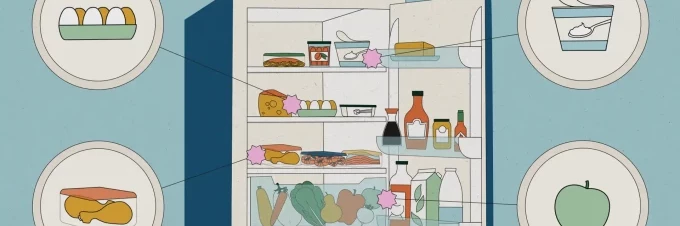
Establish a fridge system
Understanding where to store different types of food helps avoid spoilage. For more on this, check out our guide: Fridge 101: How to store your food.
Store leftovers in clean containers made from food-safe materials like glass, stainless steel, or BPA-free plastic. And remember that raw meats, fish and seafood belong in the coldest place: on the bottom fridge shelf, just above the veggie drawer.
And what about those food date labels?
- ‘Use by’ = safety. Always follow it.
- ‘Best before’ = quality. Still safe to eat after, just not at its peak.7
When vegetables really can’t be saved? Composting is a great last resort that puts nutrients back into the soil instead of landfill. If you’re not lucky enough to have a garden, you can still buy composting systems suitable for apartments and other indoor spaces.
Tip 3: Cook with flexibility
Did you know that in Europe, we waste more vegetables, fruits and cereal-based foods than anything else?3 And while meat and dairy are wasted in smaller amounts, they usually need more resources to produce – so letting steaks, fish fillets or cheese go off is even worse for the planet.
Often, food waste happens simply because we’re not sure what to do with those last few ingredients. That’s where a few go-to, flexible recipes can be a game changer.
Ideas for using up stray ingredients
| Veggies | → |
stir-fries, pasta toppings, curries, soups |
| Overripe fruit | → | cakes, smoothies, homemade jam |
| Leftover pasta | → |
mix with chopped vegetables and cheese for a delicious salad |
| Stale bread | → |
break up, bake in the oven, and voilà you have croutons for your homemade soup! |
| ½ an aubergine | → |
chuck it in the oven then blend into a fancy dip to impress your friends |
Documenting your leftover wins can help you create your own kitchen recipe book. Or let tech do the work – plenty of free apps suggest recipes based on what’s in your fridge. You could even outsource the job to ChatGPT and see what happens.
Tip 4: Use your freezer
Your freezer is one of the best tools for cutting food waste. Bought more bread than you can finish? Just freeze it and enjoy it later as part of a hassle-free meal. It’s surprising how many foods freeze well: yoghurt, meat, fish, baked goods, soups and stews can all go straight in.
We all know how to make ice cubes. You can use the same tray to freeze all of these liquid foods:
- Milk
- Cream
- Soups
- Tomato purée
- Baby food
- Whisked eggs. Yes! Just pour them into an ice cube tray and freeze – perfect for tossing into recipes as needed.
Some foods, like lettuce or tomatoes, don’t freeze as well due to their high water content. They’ll be softer after defrosting – but are still safe to eat and great in soups, sauces or cooked dishes.
Pro tip: For veg like broccoli or carrots, blanching before freezing helps preserve flavour texture. This technique involves briefly boiling the veg before running under cold water.
The benefits of batch cooking
Batch cooking and freezing can save time and reduce waste. It’s especially powerful when paired with a good meal plan (see Tip 1).
Try this:
- Make four portions of a chilli con carne, or other one-pot classics
- Eat one serving today. Divide the leftovers into three separate containers
- Place one container in the fridge for tomorrow’s lunch
- Pop the other two containers in the freezer – perfect backup plans for the next few months.
- Remember to label and date everything and keep a note of what you have
Learn more in ‘Budget Batch Cooking Made Easy: A Beginner’s Guide’
Tip 5: Buy “ugly” fruits & veggies
Carrots are straight, cauliflower is white… or at least that’s what we’re used to seeing in shops. But nature doesn’t always follow supermarket standards. Cauliflower, for example, naturally turns yellow in the sun. Across Europe, around 50 million tonnes of fruit and veg are discarded every year just because they look a little different.8
Luckily, more retailers and online services are starting to offer these “ugly” fruits and vegetables at lower prices. They may be wonky, but they taste just as good and cost less, too.
Learning new kitchen skills for life
Finally, don’t beat yourself up when you end up throwing away the odd rotting apple. It’s totally normal. Learning to reduce waste is a journey, not a pass/fail test. Just remember that every saved carrot helps your wallet and the planet. It might even up your cooking game.
By making small changes, you're joining a global effort to create a more sustainable food system. And along the way, you’ll pick up tips, tricks, and confidence in the kitchen that will stick with you for life.
Most viewed
References
- EASA. (2025) European Aviation Environmental Report 2025.
- FAO. Food Loss and Waste in Fish Value Chains. Accessed 3 July 2025.
- EIT Food Consumer Observatory. (2025) Waste to Want: Consumer Acceptance of Upcycled Food Products.
- EUFIC. Best before, use by and sell by dates explained. Accessed 3 July 2025.
- Porter et al. (2018). Avoidable food losses and associated production-phase greenhouse gas emissions arising from application of cosmetic standards to fresh fruit and vegetables in Europe and the UK. Journal of Cleaner Production
Do you care about thefood system?
Take part in our Annual Survey 2025
Take the survey