Knowing where your food comes from helps you become a more informed consumer. It lets you align your shopping choices with what matters to you, whether that’s cutting emissions, supporting nearby farmers, or avoiding overly processed foods. Even small bits of information, like a farm code or origin label, can give you the power to choose better.
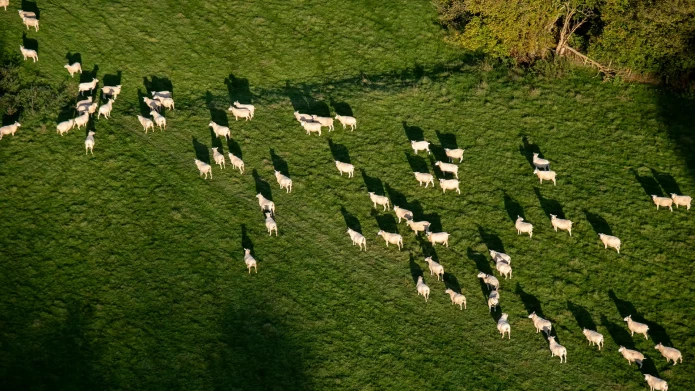
Have you ever looked at a piece of fruit and thought about how it got to your kitchen? That apple might have come from a nearby orchard or travelled across the continent. Understanding the source of our food helps us make choices that are better for our health and the environment. For example, choosing locally grown apples over ones flown in from across the world can reduce transport emissions and support regional farmers and growers. Where your food comes from can also affect freshness, nutritional value, and how much processing or packaging it needs. These small details add up; both for the environment and your well-being.
This process is called food traceability. It helps us follow a food item from the moment it is grown or produced to the time it reaches our plates.
What food traceability actually means
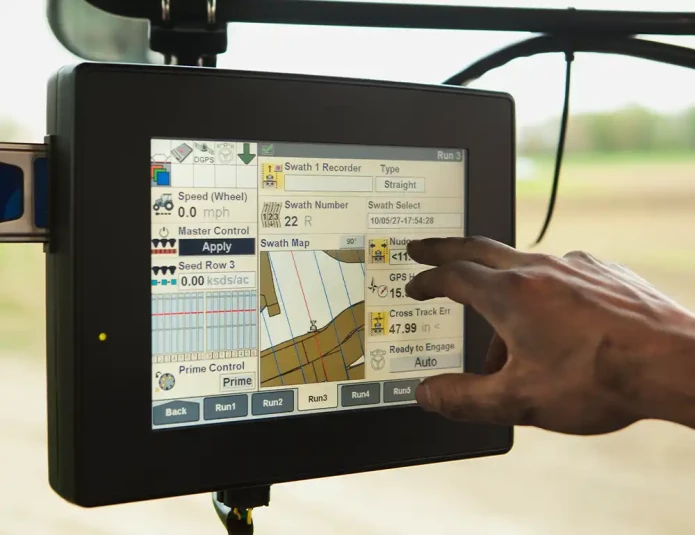
Food traceability is the ability to track a product step by step through the food system. It shows us who grew it, what was added to it, where it was processed and how it was transported through its distribution chain. Think of it like a tracking number for a parcel, but instead for your tomatoes or yoghurt.
If something goes wrong, traceability helps pinpoint what happened and where. This makes it easier to fix problems quickly and keep people safe from things like contamination or mislabelling.1
What’s involved in tracking food
Traceability systems are used across farms, factories, and shops. These systems record key information, such as:
- Where the food came from
- What materials were used, like fertiliser or feed during production
- How it was processed or cleaned
- Whether any quality checks were done
- If the food came into contact with pests or disease2
In the European Union, all food and feed businesses — including farmers, processors, transporters, and even supermarkets — must keep track of where products come from and where they go next. This rule has been in place since 2002 and is part of the General Food Law.3
Everyday examples of traceability
We already see traceability in action every day, even if we don’t always notice it or fully understand what all the codes and labels mean.
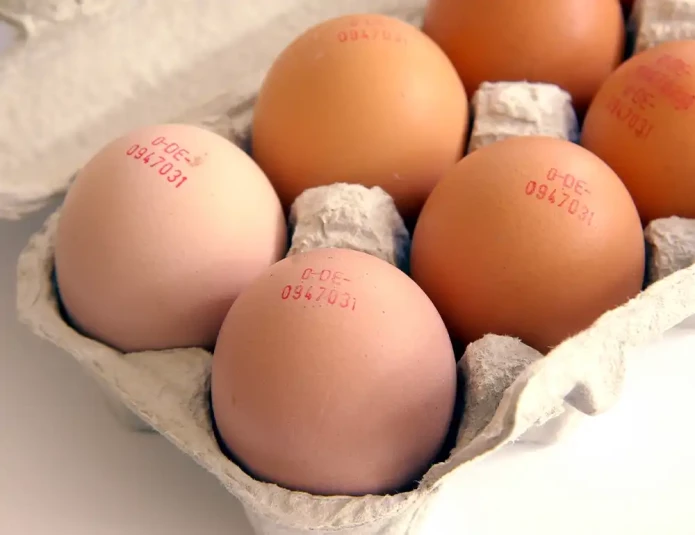
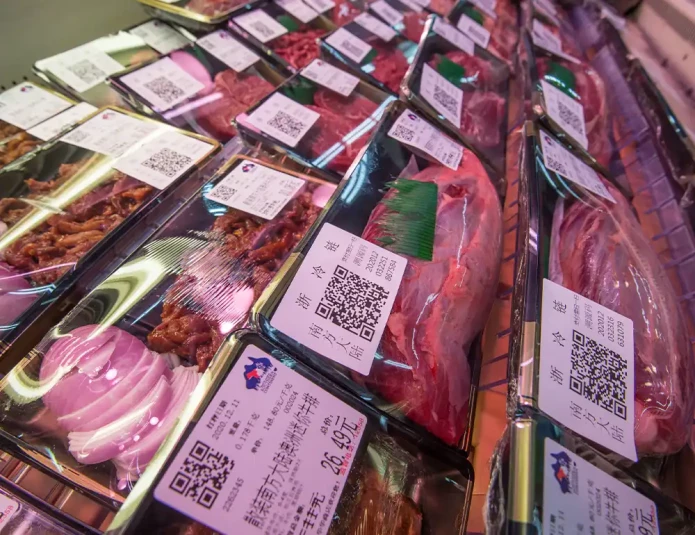
Barcodes and QR codes: Many packaged foods have barcodes or QR codes. QR codes in particular are becoming more common on products like coffee, chocolate, and dairy. When you scan one with your phone, it may show where the product was grown, what route it took to reach the store, or whether it meets certain sustainability or quality standards. While not all QR codes offer this depth, some do provide helpful details that go beyond what’s printed on the packaging.
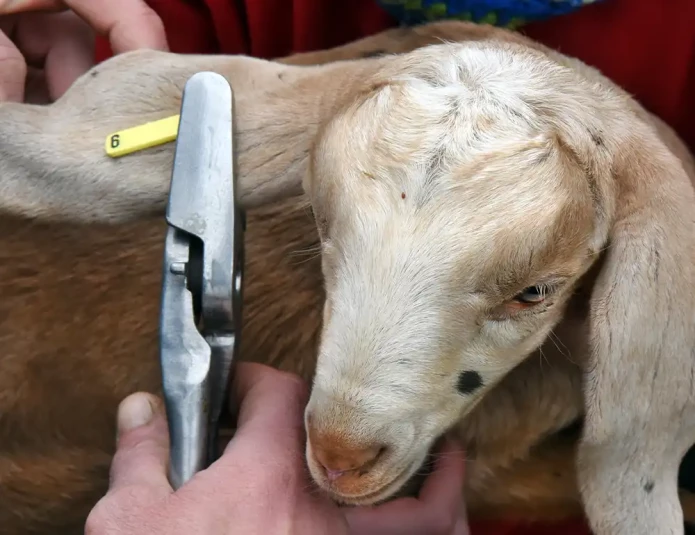
Animal tags: Farm animals, like cows, have tags in their ears with unique codes. These tags hold information about their health, feed, and where they’ve lived. Photo via Getty.
Try it yourself
Next time you’re in the supermarket, pick up a product with a QR code and scan it. What can you learn? You might discover where your chocolate was grown, who produced it, or how it made its way to the shelf.
What makes food traceable?
To track a food product, there needs to be a unique way to identify it. This could be a number, code, or tag. These are added at the start and stay with the product throughout its journey.
In the EU, much of this data is stored in a digital system called TRACES, which stands for Trade Control and Expert System. This tool helps national authorities, border inspectors, and food safety agencies across Europe track food and animal movements, including import and export. It ensures that regulations are followed, health risks are flagged quickly, and that contaminated or mislabelled products can be traced and removed from the supply chain. While most of this monitoring happens behind the scenes, it plays a key role in protecting public health and keeping trust in the food system.3
Why this helps you as a shopper
When you know where your food comes from, you can make choices that are better for you and for the planet. And while not every part of the food system is visible or within your control, there are still things you can do.
Traceability allows you to:
- Support local or regional producers
- Choose food with fewer travel-related emissions
- Look for organic, free-range, or sustainably produced options
- Feel more confident about the safety and quality of what you eat
Easy habits to get started with:
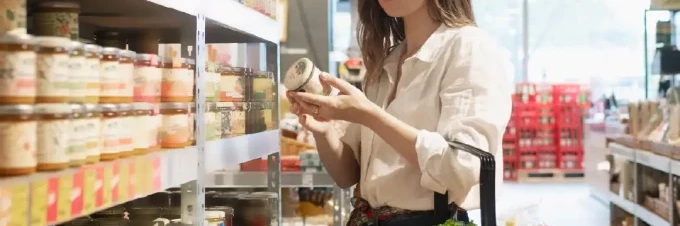
- Check food labels for country of origin, especially for fresh produce
- Scan QR codes on packaging to learn more about how the food was made
- Try buying seasonal foods that are more likely to come from nearby
- Ask your local market vendor or shop staff where their food is sourced from
Many food products carry labels that tell you more about how they were produced. These include logos or certifications such as “EU Organic,” “Protected Designation of Origin (PDO, or DOP, depending on the language),” “Fairtrade,” or “MSC-certified” for seafood. These labels are only possible because traceability systems can verify the origin, farming method, or supply chain behind the food. They’re often the most accessible way for consumers to make informed choices on everything from sustainability to animal welfare.
A small habit with a big impact
Asking yourself where your food comes from can lead to better choices. With traceability, your meal becomes more than just something to eat. It becomes a story that connects you to the people and places behind each ingredient.
When we understand that journey, we can make choices that reflect our values—whether that’s buying local, avoiding unnecessary packaging, or supporting small producers. Traceability won’t answer every question, but it gives us a starting point. And the more curious we are, the more informed our food decisions can become.
Most viewed

References
Do you care about thefood system?
Take part in our Annual Survey 2025
Take the survey