Think staying hydrated is as simple as drinking a few glasses of water a day? Not quite. This guide breaks down what your body needs to thrive. From electrolytes to water-rich foods, you’ll learn easy, everyday ways to stay sharp, energised, and hydrated in all kinds of situations.

Water in, water out: our liquid superpowers
Imagine having a superpower where you could turn into liquid and flow away. What would you do? Slip out of an awkward conversation? Sneak into your favourite music festival? Glide off with a priceless diamond?
Turns out, you're already closer to this than you might think.
Our bodies are full of water. It makes up more than half of our mass, and up to three-quarters in newborns.1 Water is essential to almost everything our body does, from keeping our brain alert to helping us get rid of waste and toxins.2 But here’s the catch: we’re constantly losing water through sweat, trips to the toilet, and even just breathing. So, we top up. A few glasses of water here and there, and we’re good to go... right?
Well, lots of the time, yes. But like many things in life, hydration isn’t always that simple.
How hydration really works
At an everyday level, hydration is managed by our “plumbing” system. Most of us don’t always manage it perfectly. We can all relate to that feeling of lightheadedness after too little water, or bursting for the toilet after drinking too much!
But hydration goes a lot deeper. A good balance of water is vital to every cell in your body. Nearly every function you can think of needs it to some extent. Water helps carry nutrients to our cells, supports blood pressure and heart health, and keeps our muscles and joints moving smoothly.2
When we don’t drink enough, we start to feel the effects. Symptoms of dehydration include:3
- Feeling thirsty
- A dry mouth, lips and tongue
- Dark yellow, strong-smelling pee
- Peeing less often than usual
- Feeling dizzy or lightheaded
- Sunken eyes
Over time, frequent dehydration can place stress on the body, potentially accelerating ageing and increasing the risk of chronic diseases.4
Most of the time, “follow your thirst” is decent advice. But it’s not the full picture.
One easy way to keep an eye on your hydration is by checking your pee. Clear, pale yellow urine usually means you’re well hydrated. If it’s darker and you’re going less often than usual, it could be a sign to drink more.5
Consistently drinking enough water is important throughout all stages of life. Older adults are more vulnerable to dehydration, and the sense of thirst naturally becomes less reliable over time.6 That’s why it’s important to keep sipping, even if you don’t feel particularly thirsty.
How much water should I drink?
Official European guidelines
Across Europe, most national dietary guidelines recommend drinking 1.5–2 litres of water per day. To keep things simple, that’s often expressed as 6–8 cups or glasses. All countries emphasise that plain water should be your main source – though many say it’s fine to include some sugar-free drinks like coffee, tea, milk or juice.7
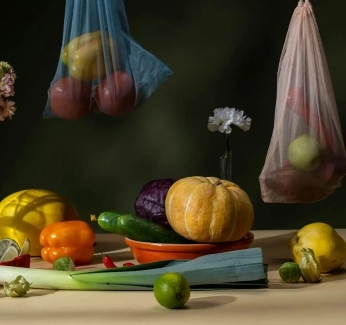
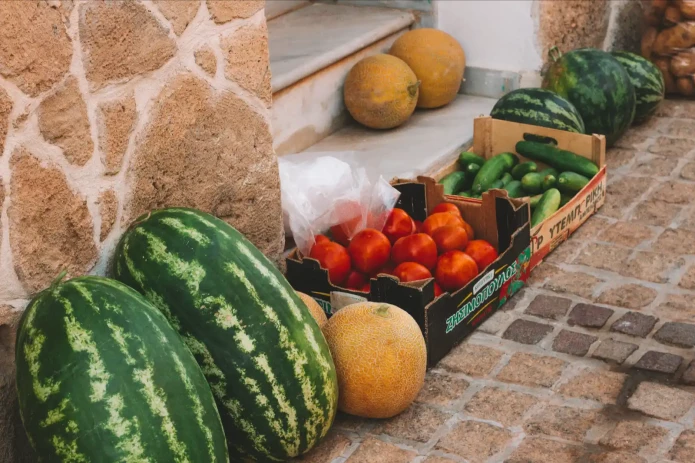
This amount is meant as a guideline. You’ll likely need more fluids if you're sweating more than usual – for example, during hot weather, physical work or intense exercise. And don’t forget, water is also contained in foods, especially in everyday fruit and veg like cucumbers, tomatoes and apples. On average, around one-fifth of our daily water intake comes from food.1
Did you know? Many Europeans aren’t drinking enough. Studies have found that in most countries across Europe, people drink well below the recommended amount.1 8
What are electrolytes and how are they linked with hydration?
Ever wondered why your sweat tastes salty?
It’s because your sweat contains salty minerals called electrolytes. Electrolytes found in your body include:9
- sodium
- potassium
- chloride
- calcium
- magnesium
- phosphate
- Bicarbonate
These particles become electrically charged when dissolved in your body’s fluids, and they’re essential for many bodily functions – from helping your muscles contract to sending signals through your nervous system. One of their key roles? Helping your cells and tissues hold on to water – keeping everything running smoothly.
Electrolytes: imagine your body is a Formula 1 car
Water is the coolant and hydraulic fluid that keeps everything flowing and stops it from overheating.
Electrolytes are the sensors and part of the electrical system. They help the engine fire at the right moment, keep the power steering responsive, and ensure all systems communicate properly.
And your kidneys? They’re the engineering team – constantly checking and fine-tuning your electrolyte balance.
Luckily, electrolytes are easy to get from everyday foods. For example, calcium in dairy products, green vegetables and beans, sodium in salty foods, and potassium in fruits and vegetables10
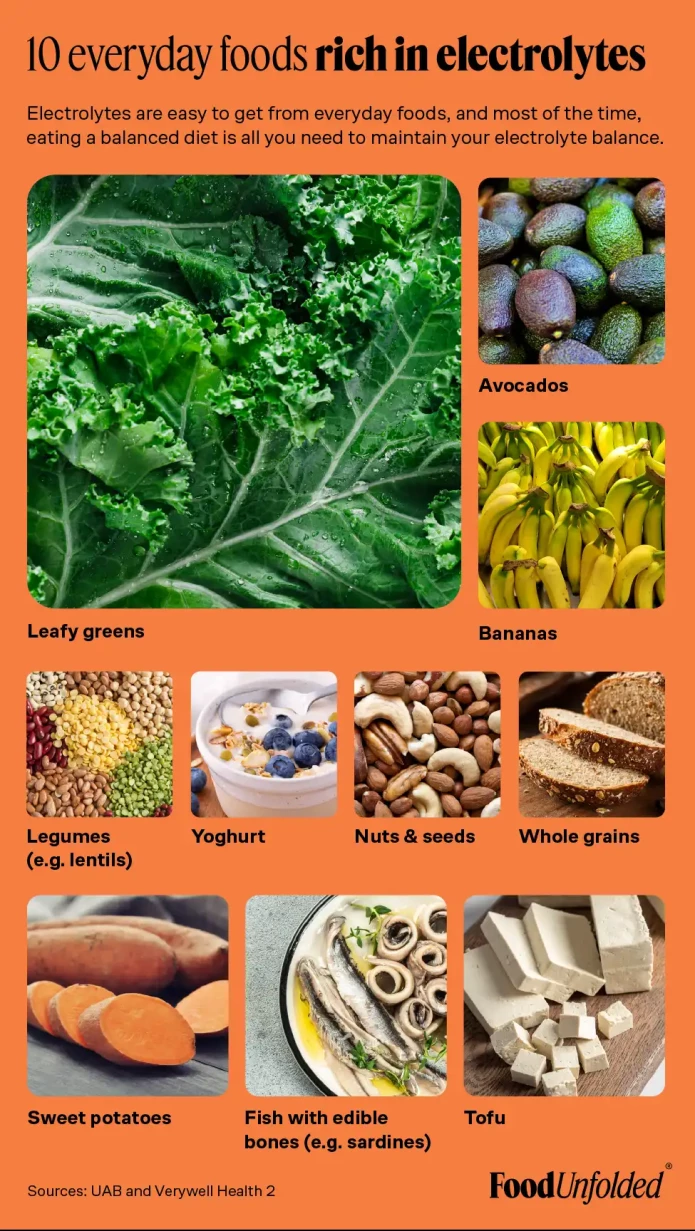
Most of the time, eating a balanced diet is all you need to maintain your electrolyte balance. But there are situations where you may need to pay extra attention.
If you're doing intense exercise for more than an hour, it’s important to replace the sodium lost through sweat.13 Sports drinks with added electrolytes, like sodium and potassium, can be a convenient way of replacing lost electrolytes. You're unlikely to want to stop for avocado on toast halfway through a marathon!
You can also benefit from electrolyte drinks or supplements if you've had diarrhoea or vomiting, as these symptoms can quickly deplete your body's reserves.
As you can see, dehydration and electrolyte imbalance often go hand in hand. But imbalances can also be caused by other factors – such as kidney issues or underlying health conditions. Common symptoms of electrolyte imbalance include:13
- Muscle cramps or weakness
- Confusion or difficulty thinking clearly
- An irregular heartbeat
- Nausea or feeling unwell
As always, if something doesn’t feel right, check in with a healthcare provider.
Did you know? In rare cases, it’s possible to drink too much water without enough electrolytes to balance it out. This can dilute the electrolyte levels in your blood – a condition known as water intoxication. While uncommon, it tends to affect people in extreme endurance events, those taking certain medications or recreational drugs, or people with schizophrenia.14
Hydration myths vs facts
Myth: You should only rely on your thirst as a sign of hydration
Fact: Thirst is useful, but it’s not the whole story. By the time you feel thirsty, you're already a little dehydrated. It’s also helpful to check your pee – pale yellow is a good sign, while dark yellow or going less often than usual could mean you need more fluids.3 This becomes even more important as we age, since we tend to feel less thirsty.6
Myth: Caffeinated drinks like coffee and tea dehydrate you
Fact: It's true that caffeine has a mild diuretic effect, meaning it can make you pee more often. But for most people, the impact is small. Tea and coffee still count towards your hydration – though that's not the green light to drink a thousand cappuccinos a day! Enjoy these drinks in moderation, especially if you're sensitive to caffeine or pregnant.15
Myth: Just drink 6–8 cups of water every day and you’ll be fine
Fact: That’s a good starting point for an average person on a typical day. But the “right” amount depends on your body and the situation you’re in. Children need slightly less. Men need slightly more, as do women who are pregnant or breastfeeding. If you live somewhere hot, you’ll likely need more too. That’s why the best thing is to check your national guidelines.7
Myth: Drinking fluids is the only way to stay hydrated
Fact: Around a fifth of your hydration comes from food. Water-rich options like fruits, vegetables, and soups can make a big difference – and some, like melons or leafy greens, also provide electrolytes.
Myth: You need a specialised sports drink packed with electrolytes during exercise
Fact: For exercise under an hour, water is usually enough to rehydrate.16 If you're sweating heavily for a long time, then electrolyte replacement becomes important – whether from food or a drink. This is also important for people doing physical work, especially when it’s hot: farm labourers, construction workers, etc.17
Practical hydration tips
Staying hydrated doesn’t have to be complicated – here are some simple, everyday habits to help you stay on track:
Regular sips, not a water binge: Try to have a drink at regular intervals throughout the day rather than waiting until you feel very thirsty. One easy trick? Carry a reusable water bottle and make drinking part of your routine – whether that's sipping between meetings or taking a moment during your commute. Many European countries now also require licensed bars and restaurants to provide free or low-cost water on request.18
Don't overdo the sugar: While sugary beverages can hydrate, they offer very little nutritional benefit – essentially “empty calories”. Regularly drinking sweetened beverages can increase your risk of weight gain and conditions like diabetes. For more, check out our guide: sugar 101: what it is, why it matters & healthier alternatives.
Mix things up: It’s more fun, and can be effective too. Mixing different drinks – including some that naturally contain electrolytes – can support better hydration. Coconut water, for instance, is low in sugar and contains electrolytes, though it’s higher in potassium than sodium, making it less ideal for intense exercise than some sports drinks.17
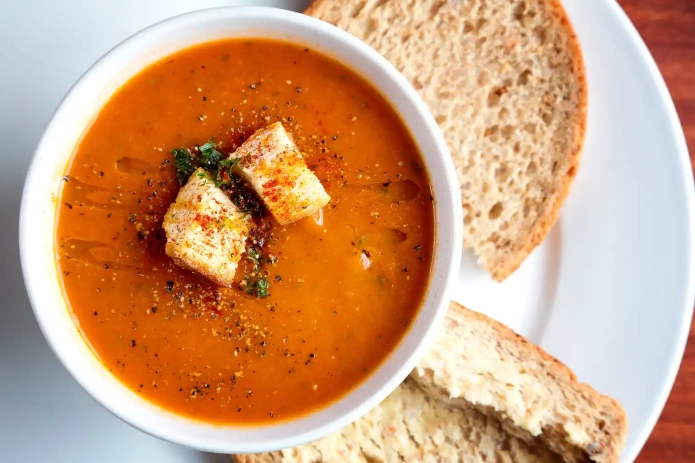
Embrace summer fruits and other liquid-packed food: Food can contribute to hydration too – soups, stews, yoghurt, and especially fruits and vegetables. Summer favourites like melons, peaches, cucumbers and tomatoes are particularly water-rich. Take inspiration from Spain and enjoy a chilled gazpacho – a refreshing cold soup with tomato, cucumber and other veggies. It’s tasty, hydrating, and full of electrolytes.
Bonus fact: bananas are rich in sodium and easy to digest, making them an excellent snack before, during, or after sport for sustained performance.
The bottom line on staying hydrated
Hydration isn’t just about waiting until you’re thirsty, then glugging a bottle of water. It’s about understanding your body’s needs – and responding with small, smart choices throughout the day. The best approach is to think about hydration as part of your overall diet – balancing healthy drinks with foods that naturally contain water and nutrients. It’s a simple way to support your energy, digestion, and overall well-being.
By tuning in to your body’s signals and making hydration a regular habit – not just something you think about when you're thirsty – you can feel better day-to-day and support your health long-term. You don’t need perfection. Just a bottle of water, a banana, and a little awareness can go a long way.