Plastic wrap is something most of us reach for without a second thought. Whether it’s to cover up leftovers or wrap a sandwich for lunch. While this trusty roll of plastic wrap might seem handy, it can quietly cause big problems for the planet and even our health.
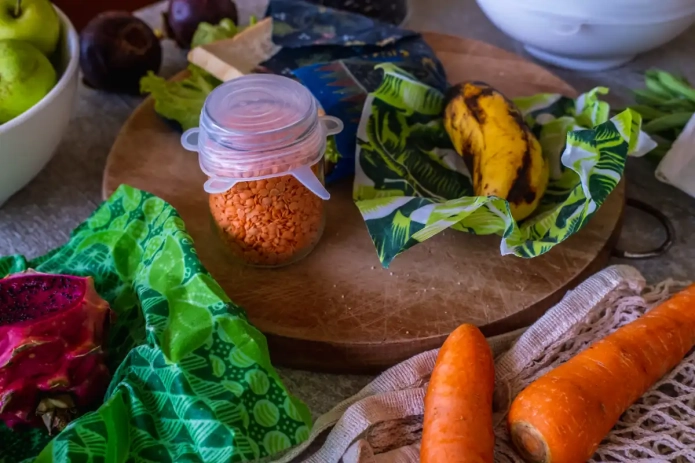
Luckily, there are plenty of eco-friendly swaps that do the same job and are far better for everyone. So, let’s explore why it might be time to say goodbye to plastic wrap, and look at some easy, sustainable alternatives that you’ll actually enjoy using.
The problem with plastic wrap
Plastic wrap (also known as cling film) is a convenient solution, but it comes at a cost. Its thin, flexible nature makes it very difficult to recycle. Unlike more rigid plastics or other recyclable materials such as glass, cardboard, or aluminium, plastic wrap lacks the structure needed for easy processing. In fact, it tends to clog the machinery used in recycling facilities.1
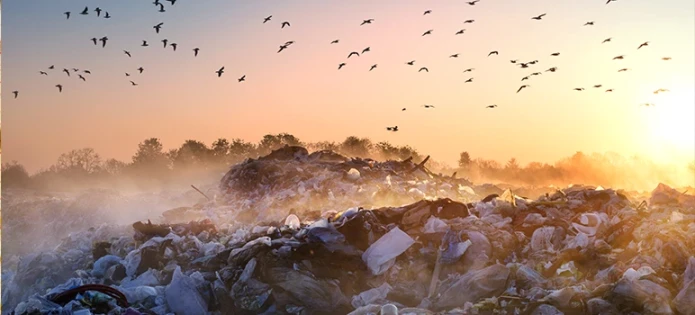
Plastic wrap is non-biodegradable, meaning it does not break down naturally over time. Instead, it sits in landfills for centuries. When it eventually breaks down, it forms microplastics, which are tiny plastic particles less than five millimetres in length.2
These tiny microplastics end up in our waterways and oceans. Fish and marine creatures often mistake these microplastic particles for food and accidentally consume them. When fish swallow these tiny plastics, and then we eat those fish, the plastics can end up in our bodies too.
There are other ways microplastics from plastic wrap can get into the food chain. One common concern is heating: when plastic wrap is exposed to high temperatures, such as in the microwave, it can break down and release microplastics directly into your food.3 For this reason, it’s generally advised to avoid using plastic wrap when microwaving meals.
Stanford University, a research university in California, USA, estimates that as many as 40 million metric tons of microplastic particles are released into the environment every year.4
Microplastics can get into our blood, lungs, liver, and even our brains. Once there, they can cause problems like swelling, damage to cells, and disrupt normal bodily functions, impacting important things like hormones.5
Microplastics and hormones
Hormones are chemicals that help our bodies grow and function properly. Studies have shown that microplastics can cause inflammation, cell damage, and changes in how our bodies process fats and hormones. This means microplastics might make it harder for our bodies to work the way they should.5
So, while we might use this handy plastic to wrap a sandwich just once, it can cause many problems for years to come. Fortunately, there are plenty of other safer, planet-friendly ways to keep food fresh — from beeswax to silicone, let’s look at the alternatives.
Plastic wrap alternatives
Beeswax wraps
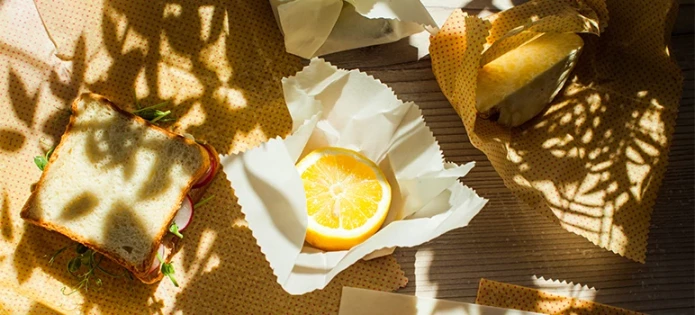
Beeswax wraps are cotton fabric cloths coated with a mix of beeswax, oil, and tree resin. Using them feels like magic! Press them with warm hands, and the wax softens to create a natural seal. Beeswax wraps are reusable for up to a year. To keep them in good condition, they need to be cleaned with cold water and mild soap. Here are some of the most important things to know about beeswax wraps, good and bad:
- Perfect for storing snacks, cheese, cut fruit, and even rising dough.
- They let food breathe, keeping it fresh without leaving a weird plastic taste.6
- Compostable, so less landfill waste and plastic pollution.
- Vegan versions called wax wraps are also available, and they use plant-based waxes.
- Beeswax wraps aren’t great for hot foods (heat can melt the wax).
- Raw meat/fish are not suitable for storing in beeswax wrap due to the risk of cross-contamination.
The true cost of cotton
Cotton has a significant environmental footprint of its own as it needs a lot of water to grow. Cotton farming often uses pesticides, which are bad for farm workers and impact soil and water quality. Try to buy beeswax wraps made with organic cotton, which is better for farmers and the environment.7
Silicone lids and pouches
.webp)
Silicone lids are a reusable plastic alternative for covering bowls or other containers. They come in stretchy and non-stretchy varieties. You can also find sandwich-shaped silicone pouches that are perfect for protecting your lunch on the go. Here are some of the advantages and disadvantages of silicone:
- Forms an airtight seal to keep your food fresh.
- Handles extreme temperatures, making it safe for use in the dishwasher, freezer, and microwave.
- Doesn’t absorb odours or leave any aftertaste.
- Silicone is a polymer, and while it is possible to recycle (though not in your regular household bin), it can’t be recycled infinitely (unlike metal and glass).8 14
What about compostable cling wrap?
This alternative wrap offers a sealing solution like traditional plastic wrap but is made from plant-based materials. This wrap is designed to break down in compost. Be aware that many recycling centres won’t take compostable cling wrap. So, you will need to compost at home, and it still may take a very long time to break down.9
Glass jars with lids
Glass containers are reusable, dishwasher-safe, and see-through (so no more guessing what’s inside). You can reuse old jam jars to store your leftovers without having to purchase any new items. Here’s what you should know about old-fashioned glass jars:
- An airtight seal keeps food safe and locks in flavours and aromas.
- Versatile for storing leftovers, pantry items, and drinks.
- It can be safely transferred from the fridge to the microwave. (Just take off the metal lid first.)
- Glass does not retain stains from food.
- Free from common plastic toxins like phthalates and BPA, which can be bad for our health.
- Glass can break more easily, so handle it with care!
Stainless steel
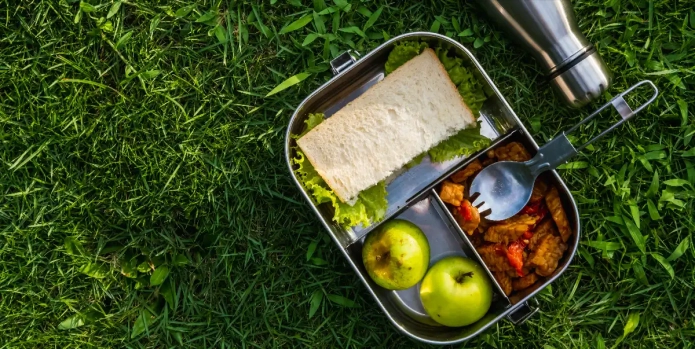
Stainless steel containers are also a great option for storing food, and they come in all shapes and sizes. They are heat-resistant and can be recycled without losing quality.10
Here are some key points about stainless-steel containers:
- Some come with a built-in silicone seal, making them airtight and leak-proof.
- Recycled stainless steel needs less energy to produce than brand-new stainless steel, making it a great option11
- Doesn't retain smells or stains from food.
- Stainless steel is extremely durable, making it ideal for kids’ lunchboxes.
- Remember that it cannot be put in the microwave.
Make every school lunch a step towards sustainability. Discover planet-friendly lunchbox ideas for your kids here.
Single-use alternatives
Sometimes, single-use options are unavoidable, such as a plastic-wrapped lunch on an aeroplane. But for most situations, there are plenty of better ways to cover and store food.
Paper bags
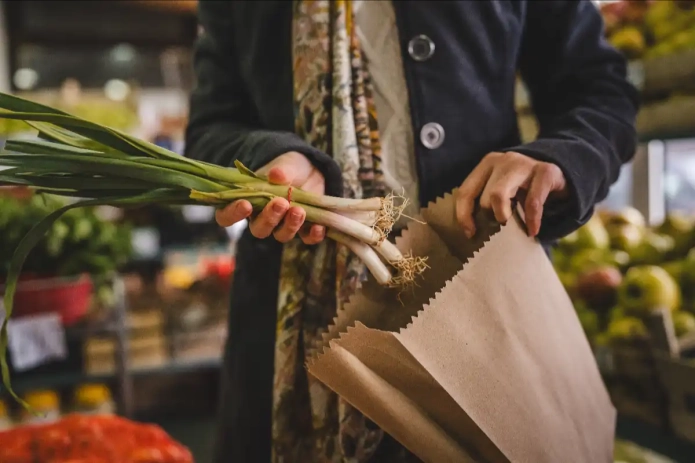
Try turning to paper instead of plastic. Many are recyclable, and some are even compostable at home, too. If your bag is 100% paper and doesn’t have a wax lining, it’s most likely compostable.12 When you buy fruit, veg or bread in paper bags, try to reuse the bags rather than toss them. Add your compostable kitchen scraps to them and give them a second life. If they’re still clean, use them to wrap up a sandwich. Or, you could even use the paper bag to ripen bananas. Simply place some green bananas in a paper bag, seal them and leave them for a day or two. Bananas ripen faster in a paper bag because the bag traps the ethene gas they give off, which tells the fruit to turn yellow and sweeten.15
Aluminium foil
Aluminium foil can be a useful alternative to plastic wrap, particularly when intense heat is involved. It’s a handy choice for cooking in ovens, toaster ovens, or grills (not microwaves). Try to use aluminium foil sparingly. Not all foil is recyclable, and very dirty/greasy foil may not be accepted. So, this single-use product has an environmental cost. After use, clean and place in the correct recycle bin. Try to buy recycled aluminium foil, which has a smaller carbon footprint.
Soy wax paper
This is an eco-friendly alternative to conventional wax paper, which is not recyclable. Soy wax paper is safe and generally compostable, especially if it is unbleached. It’s ideal for packaging baked goods, produce, cheese and hams.5
Bonus storage tips: reduce, reuse, recycle
While it can be tempting to load up on exciting new products that promise to help you live more sustainably, a good first step is to consider whether you truly need to buy something new in the first place.12
No-buy options involve putting your leftovers in a bowl covered with a plate or leaving your leftover soup in the pan you made it in, topped with a lid. Not only will this mean you avoid the need for both single-use plastics and new products, but you’ll have fewer dishes to wash, too.
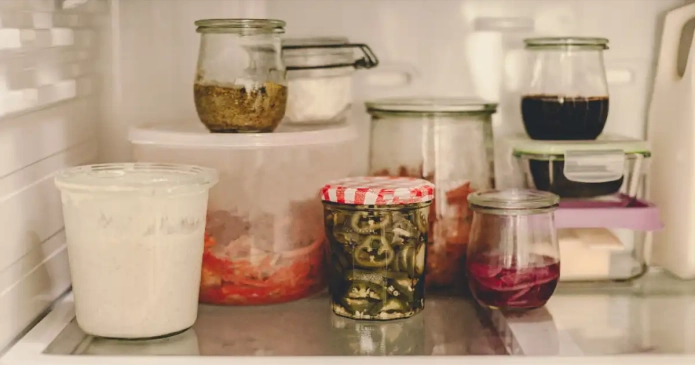
If you don’t have enough storage containers, check your cupboards for old plastic tubs you’ve forgotten about. Or, if you regularly buy food that comes in a jar, such as peanut butter, consider washing the jar thoroughly after you’re done and using it to store food. Remember, glass jars can even go in the freezer!
How bad is food waste for the planet?
Keeping food fresh and minimising food waste is vitally important. More than 8-10% of our greenhouse gas emissions worldwide come from food produced but never eaten.13
We know saving and using leftovers can help reduce food waste. But how we keep our food fresh is equally important. In a world where easy plastic solutions are everywhere, choosing eco-friendly options or reusing containers can make a huge difference.
Discover more easy ideas and tips to reduce food waste at home.
Less plastic, less waste
There are plenty of smart, eco-friendly swaps that keep food fresh without the downsides. Reusable beeswax covers protect produce and sandwiches, and silicone lids and stainless-steel containers stand up to years of use. Glass containers remain a reliable tool in the kitchen, while recyclable foil, paper bags and compostable soy wax paper provide single-use solutions with a lighter environmental footprint.
Making the switch from plastic wrap may feel like a tiny change, but it adds up. With each eco-friendly choice, you’re creating a kitchen that’s better for your health, your family, and the planet.