Have you ever noticed that junk food seems to be right there waiting for you, no matter where you go? From brightly packaged treats at the checkout to vending machines in schools and offices, and fast food restaurants on every corner. It’s hard to escape the constant temptation.
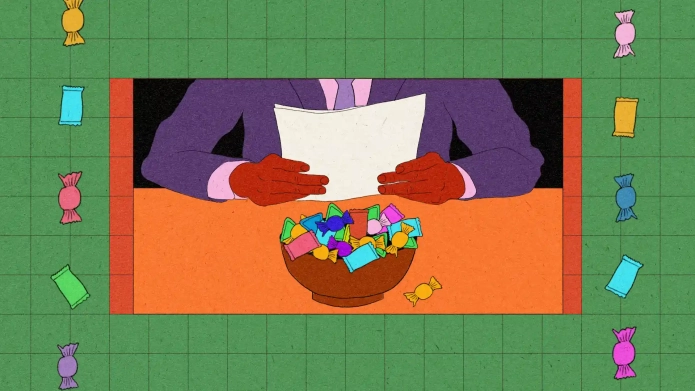
Many doctors and scientists say these unhealthy foods are a big reason for people getting sick. But how can we resist all these unhealthy foods around us? And at what point should governments step in to help protect our health? Let’s explore what junk food really is, how it affects our health, and what can be done to prevent junk food from taking over our diets.
What is junk food?
Junk food refers to food that’s high in calories but low in nutritional value. It typically contains large amounts of added sugars, unhealthy fats, preservatives, and salt. Junk food doesn’t give us the nutrients our bodies need, like vitamins, minerals, and fibre.1 Think of things like a chocolate bar, a packet of crisps or a microwavable meal that’s quick and tasty but leaves you feeling hungry again soon after.
Not only is junk food bad for our health, but it’s also very addictive. This means we might eat more than we need, which can make us gain weight. Over time, this can increase the risk of developing several serious health problems, such as cardiovascular disease, diabetes, and cancer.2 3
Read more about diet-related disease here.
Junk food versus ultra-processed food
You might be wondering if junk food is the same as ultra-processed food. While they both have a bad reputation, they’re not always the same.4 Most junk foods (think biscuits, crisps, and frozen dinners) are ultra-processed. But not all ultra-processed foods are junk food. Products such as wholemeal bread, low-fat yoghurt, and wholegrain breakfast cereals can also be ultra-processed but still fit into a healthy diet. The important thing to know is that junk food is ultra-processed and generally bad for us.
What can we do?
We know junk food is harmful, yet it’s so hard for both adults and kids to resist it. Junk food and its advertising are all around us. But as citizens, we have the power to question and drive change, nationally and locally. Here are a few ways we can help:
Healthier habits at home
We can take action within our own families by educating those around us on making healthier choices. Reading labels carefully, buying more fresh produce, cooking from scratch, and teaching kids about real food are all effective ways to reduce our junk food habits.
Take action
We can also drive change in our community. If you are concerned about junk food in school, try talking to other parents and organising a petition to remove vending machines selling sugary drinks and snacks.
Demand honest science from governments
We need to encourage governments to support fair and honest research about what junk food does to our bodies. This research must be done without funding or help from junk food companies, so the results are true and not influenced. Currently, many studies about food are paid for by the same companies that make junk food.5
Speak up
At small local stores, you can suggest placing healthier snacks at the counter, making them more accessible and encouraging better eating habits.
Try our junk food challenge
Try limiting junk for just one week, and see how you feel. Here are some healthy swaps to eat instead:
- Instead of your afternoon biscuit or chocolate bar, try a bowl of nuts and dried cranberries
- Pass on the soda, and try sparkling water with a wedge of citrus fruit
- If you’re tempted by fast food, opt for a DIY fast meal like a home-made pizza with a store-bought base with mozzarella, olive oil, and fresh veggies on top
Tips:
- Do it with a friend or family member for a little extra motivation
- Plan and shop for your meals in advance so you’re not tempted by junk food when you’re hungry or tired
- Reward yourself at the end of the week with something like a new book or a night at the cinema
What are big companies doing to help?
It’s good to see we can make a small difference, but how are big food companies stepping up? When a product is shown to be bad for our health, we would expect companies to either change it or take it off the shelves. But junk food companies are usually mostly concerned about their profits. While they may emphasise responsibility, their primary focus often remains on increasing sales of junk food and sugary drinks, even when the health impact is questionable.6
Power and profits
Major food companies (sometimes called Big Food) hold a lot of power in many countries. They use their money and influence to cleverly market junk food and even sponsor research about junk food that is often biased. They pressure the government to keep laws about healthy foods weak, so they can continue selling junk food without too many restrictions.8
In short, these companies aren’t doing enough to make junk food healthier. Instead, their focus is often on profits. This means they want us to consume more of it.
The science that makes junk food so addictive
Food companies use a special science called flavour engineering to make food taste really good. They start by finding the perfect amount of sugar, salt, or fat for the best flavour. The right mix is called the “bliss point.” That is why junk food is so irresistible. It tastes amazing, but often has way more sugar, salt, and fat than our bodies need.
How are governments taking action?
Governments are there to protect public health. They can regulate what goes into our food and how it’s marketed. While some governments are stepping up against junk food, others are not doing enough to address the problem.
Let’s look at some good examples of how several European countries have made positive changes to protect their citizens.
Adding taxes
Several countries are using taxes to tackle unhealthy eating habits. And they’re making a difference. Taxes on sugary drinks have been introduced in Belgium, Finland, France, Hungary, Ireland, Latvia, Monaco, Norway, Portugal, Croatia, Poland, and the United Kingdom.9
Taxes can help make food healthier. If a company keeps putting too much sugar into their products, they have to pay taxes. That makes it more expensive to make and sell their product. So to save money and keep prices lower, many companies choose to use less sugar to avoid taxes.
Some sweet news
A sugar tax in the United Kingdom led many soda companies to lower their sugar content. Between 2015 and 2019, the percentage of sodas with more than 5g of sugar per 100 ml dropped from 49% to just 15%. Based on a small study, this tax could potentially prevent over 5,000 cases of obesity per year.10 11
As you can see, this tax strategy is effective, but the food industry often finds ways around these rules. Some companies replace sugar with so-called healthier alternatives, which may not be good for us either.12
Find out the sticky truth about sugar alternatives here.
Governments must also focus on more than sugar. These taxes don’t consider other unhealthy junk foods high in fat, salt, and calories. But it’s difficult to get companies and countries to agree on taxes. Every country has its own rules and ideas about how to fix the problem. Plus, big food companies have a lot of power and influence in many European countries. By 2020, only 12 out of 53 countries in the European region had introduced a sugar tax.9
Clear and honest labelling
Consumers can make healthier choices when given clear and accurate information about products.
Nutri-Score
This colour-coded, A-to-E label is Europe’s most popular health labelling system. It helps shoppers quickly compare food items in the same category. A product with a green A is healthier than a product with a red E in that food category. It is used in France, Belgium, Germany, Spain, the Netherlands, Luxembourg, and Switzerland.18
Traffic Light System
The Traffic Light System is used in the UK. It also helps shoppers quickly assess food. It shows the levels of things like energy, fat, saturated fat, sugar, and salt. Foods with a green label are the healthier choice. Amber means that a food is okay to eat sometimes, and foods labelled in red should be eaten less often.19
These systems help consumers make healthier choices in the supermarket. But some argue the system unfairly assesses certain foods and can oversimplify nutrition. For example, Parmesan might receive a bad grade because of its high levels of saturated fat and salt, even though a small amount won’t significantly impact health.20
Despite these problems, these systems are a start. In the future, more refined health labelling systems could help us make more informed decisions. It’s not a case of banning foods from our diets but understanding which foods should be consumed in moderation for better health.
What about children?
Junk food is often targeted at children with attractive marketing campaigns featuring cartoons and mascots. Companies also cleverly position their junk food, especially chocolate bars and crisps, at eye level for kids or near checkouts in the supermarket to encourage impulse buying.7
Children are especially likely to be influenced by junk food ads. Right now, there are no European-wide laws to stop junk food marketing aimed at children. The only measure in place is a voluntary set of rules called the ‘EU Pledge’.13 But a 2020 study found that this voluntary approach is too weak to prevent obesity.14
Some European countries have taken their own steps to tackle the problem.15
- France banned unhealthy food ads aimed at kids (under 16 years old) on public television and related websites in 2016.
- Portugal followed in 2019 with similar rules for TV and online ads during children’s programs.
These efforts help, but only in a few countries. Many brands still target kids with unhealthy products. In 2022, the World Health Organisation (WHO) created guidelines to help governments make stronger rules and better protect children. This is a start, but much more needs to be done, including increasing public awareness.16
Habits that last
Eating habits we develop during childhood often stay with us through adulthood.17 So, it’s vital that kids are given the right information about food from the very start. Kids need the right kind of support to learn how to eat healthy. It begins at home, but governments also have a big part to play. It’s about sending the right messages and ensuring public spaces have healthy choices for kids.
School environments can influence what children eat, making them important places to promote healthy habits.
In 2005, France banned vending machines that sold junk food and sugary drinks in schools. The country’s largest vending machine company didn’t like this idea and tried to stop it. They argued that education, not a ban, was the answer.21
But was the ban a bad idea? According to a 2018 study, not at all. The study concluded that the ban led to a 10g reduction in sugar intakes from morning snacks at school and reduced snack breaks. The study also suggested that while bans can help control unhealthy behaviour in some places, they’re not a complete solution. In other words, children still need to learn healthy habits outside of school.22
And, while some countries are taking it upon themselves to address junk food in schools, an EU-wide ban or reduction policy would greatly help limit junk foods in schools.
Vending machine makeover
In April 2025. Spain adopted a decree requiring school canteens to offer healthier meals for kids and banning unhealthy snacks and sodas from vending machines.23
As of March 2023, school cafeterias in Slovakia have limited or prohibited the sale of energy/sugary drinks or fried food.24
Building a healthier future
While some European governments are taking steps like adding sugar taxes, banning junk food ads and improving food choices at school, many countries are still behind. It’s hard for us to avoid the constant lure of junk food without support. We need governments to make rules that protect kids, support honest science, and make healthier food easier to find and afford.
Meanwhile small changes in our own lives still matter. Choosing water instead of sugary drinks, picking healthy snacks like fruit or nuts, and reading food labels. When more people start choosing healthier food, companies do take note. Every small step counts, especially when it comes to what we eat. When governments, families, and schools work together, we can build a healthier future for everyone.
Most viewed
References
- The Impacts of Junk (Fast) Food on Health: The world is currently facing an obesity epidemic, which puts people at risk for chronic diseases like heart disease and diabetes. (n.d.). ResearchGate. Retrieved June 27, 2025
- Hall, K. D. et al. (2019). Ultra-processed diets cause excess calorie intake and weight gain: An inpatient randomized controlled trial of ad libitum food intake. Cell Metabolism, 30(1), 67–77.e3.
- Cordova, R. et al. (2023). Consumption of ultra‑processed foods and risk of multimorbidity of cancer and cardiometabolic diseases: A multinational cohort study. The Lancet Regional Health – Europe, 35, Article 100771.
- Alonso, I. O., & Wren, G. (2024, August 1). What you need to know about Ultra-Processed foods. FoodUnfolded.
- Lazzaris, S. (n.d.). Truths, Tactics and the mist of meat lobby science. FoodUnfolded.
- Jure. (2022, November 17). Soft drinks global market overview. Food Export Market.
- Wood, B., et al. (2023). Behind the ‘creative destruction’ of human diets: An analysis of the structure and market dynamics of the ultra‐processed food manufacturing industry and implications for public health. Journal of Agrarian Change, 23(4).
- Moodie, R. et al. (2021). Ultra-Processed Profits: The political economy of countering the global spread of Ultra-Processed foods.
- Global Food Research Program at UNC–Chapel Hill. (2023, June). Sugary drink taxes around the world: Tax maps — beverages [PDF]. UNC Gillings School of Global Public Health.
- Popkin, B. et al. (2021). Towards unified and impactful policies to reduce ultra-processed food consumption and promote healthier eating. The Lancet Diabetes & Endocrinology, 9(7), 462–470.
- University of Cambridge. (2023, January 26). Sugary drinks tax may have prevented over 5,000 cases of obesity a year in year six girls alone [Press release].
- Witkowski, M. et al. 2023). The artificial sweetener erythritol and cardiovascular event risk. Nature Medicine, 29(3), 710–718.
- EU Pledge. (n.d.). Our commitment. EU Pledge. Retrieved June 20, 2025.
- Landwehr, S. C., & Hartmann, M. (2020). Industry self-regulation of food advertisement to children: Compliance versus effectiveness of the EU Pledge. Food Policy, 91, 101833.
- Gómez, S. F., & Rajmil, L. (2022). Advertising, obesity and child health: the case of Spain. BMJ Paediatrics Open, 6(1), e001482.
- World Health Organization. (2023, March 14). New WHO tool aims to protect children from unhealthy food marketing. WHO Regional Office for Europe.
- Mahmood, L., et al. (2021). The influence of parental dietary behaviors and practices on children’s eating habits: A review. Nutrients, 13(4), 1138.
- Advocacy of the EU scientists and public health professionals. (2023, November 24). Nutriscore Europe.
- Check the label. (n.d.). Food Standards Agency.
- Southey, F. (2021, August 23). Parmigiano Reggiano and Grana Padano refuse traffic‑light labelling: “Nutri‑Score undermines PDOs.” FoodNavigator.
- France launches controversial school vending machine ban. (2005, September 1). BeverageDaily.
- Capacci, S., Mazzocchi, M., & Shankar, B. (2017). BREAKING Habits: The effect of the French vending machine ban on school snacking and sugar intakes. Journal of Policy Analysis and Management, 37(1), 88–111.
- The Government of Spain guarantees that school canteens offer five healthy meals a week. (n.d.).
- Slovakia: New regulation promoting sale of healthy food in Slovak schools. (n.d.).
Do you care about thefood system?
Take part in our Annual Survey 2025
Take the survey