Life got very expensive in recent years, as the cost of food and other everyday items has risen sharply. Many feel the squeeze at the checkout and worry about being able to afford nutritious food. Why do food prices rise so suddenly? Who is affected? As shoppers, what can we do about it?
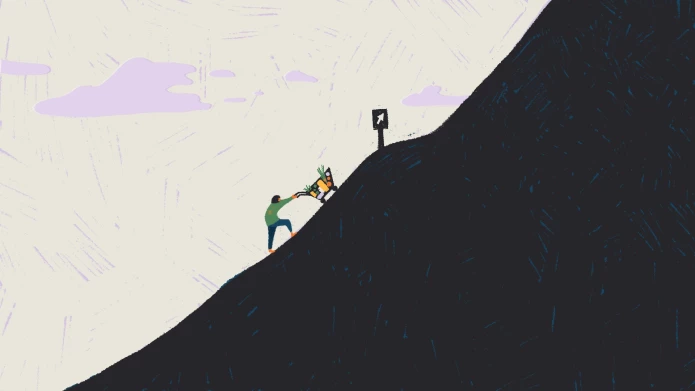
Things tend to get more expensive over time. It’s just one of those frustrating facts of life. Thankfully, this is usually a slow process that gives everyone time to adjust and plan for the future. As prices creep up, so do our incomes, and the economy stays balanced.
But after years of relative stability, prices shot up in 2022 and 2023 – the steepest rises since the Euro currency was introduced. Rises have calmed since then, but food still feels more expensive than before, as most wages have not kept up.
As a result, shopping habits have changed and many worry about what the future of their weekly shop might look like. This article explains what inflation is, who it affects, and offers tips for changing your food habits when prices spike.
What is inflation?
In economics, inflation is the rate at which something becomes more expensive over time. As prices go up, the money sitting in your pocket will gradually buy you less stuff. Let’s take an example. Imagine that 12 months ago your favourite chocolate bar cost 1 EUR and the annual inflation rate was 10%. Today, that same chocolate bar costs 1.10 EUR, an extra 10 cents, or 10% more.
Did you know? When inflation spirals out of hand, it can reach mind-boggling figures. During the hyperinflation crisis in Zimbabwe in 2008, annual inflation reached 89.7 sextillion per cent.1 That’s 897 000 000 000 000 000 000 00 %. At one point, a $100 trillion note wasn’t even enough for a bus fare!2 Life savings were wiped out overnight, and people adapted by directly swapping goods and using foreign currencies.
Before we carry on, let’s take a quick look at the opposite of inflation: “deflation”, when prices begin to drop. Although that sounds great as a shopper, it can quickly become a bad thing for everyone. When prices drop, customers start to hesitate. They know the same items may cost less next week. Bit by bit, company profits drop, and bosses may look to cut costs – either by reducing staff or reducing wages. Played out across a country, this can lead to a downward economic spiral.3
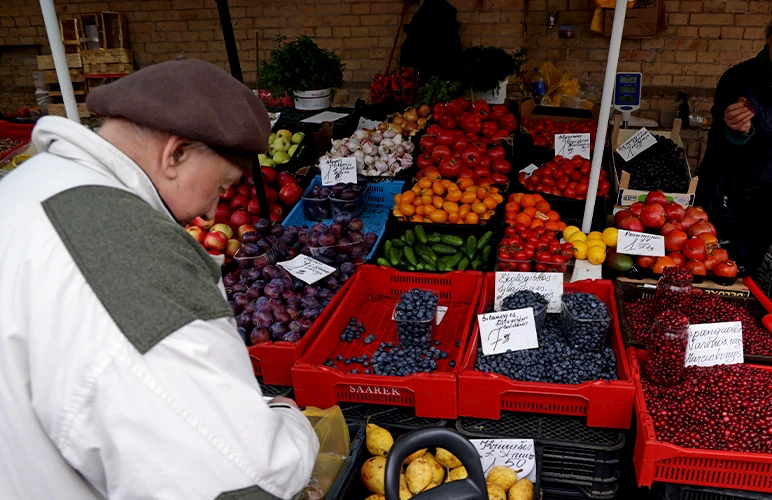
An outdoor market in Lithuania, 2022. At the time, Lithuania, Latvia, and Estonia had some of the highest annual inflation rates in Europe, with Lithuania at 19.7%, Latvia at 17.3%, and Estonia at 19.4%, driven by the war in Ukraine and rising energy costs.(Sean Gallup/Getty Images)
So, what’s a “good” rate of inflation?
Many central banks – including those in Europe, the USA, and Australia – aim to achieve 2% inflation.
This rate is considered the sweet spot: not too high, not too low. At 2%, most shoppers can keep up with the price rises. But 2% is not so low that people are tempted to wait to see if products become cheaper in the near future.
Why have food prices risen so fast?
Do you remember empty shelves and high prices for certain foods when COVID-19 hit in 2020? The pandemic and its lockdowns created huge challenges in both producing and transporting food around the world.
For a short period, price rises calmed down. But they shot up again when Russia invaded Ukraine in February 2022. (We’ll explore the reasons for that shortly.) From the middle of 2022, annual food inflation in Europe surged, reaching an historical peak of 15% in March 2023, a jump rarely seen in modern times.
Following these events, many parts of Europe have experienced what economists call “sticky inflation”. That’s when prices remain high, even after the worst of the shock has passed, while wages don’t keep up. Food inflation has been especially sticky, and has remained higher than the average price rises for everything we buy.
Let’s take a look at some of the key factors that have been driving food inflation in recent times:
1. Energy prices
Energy prices and food prices are closely linked. It makes sense if you think about the journey your food takes:
- Farmers run tractors, watering systems, harvesters and other machinery.
- Transport companies use trucks, ships, trains and planes to move food.
- Food processors use machinery to turn raw ingredients into products.
- Supermarkets and restaurants need to be heated (or cooled) and lit to keep customers happy. Freezers and ovens also need energy.
When energy costs rise, each step of this chain becomes more expensive. A chunk of the extra costs is added to the price you pay for food at the checkout.
Why European energy bills shot up when Russia invaded Ukraine in 2022
Russia is a major energy producer, and for years Europe had relied on its fossil fuels, including coal, oil and gas. Because of the war, Europe decided to end its dependence on Russian energy.4
Europe started switching to renewable sources, including solar and wind generated within European nations.This change might be good in the long run but it’s very expensive in the short term.
Think of it like leaving a rental property to build your own house. In a few years, you’ll be secure and settled. But imagine all the work, costs and time needed to get there!
2. Fertiliser prices
For now, chemical fertilisers remain an important tool in agriculture – they can help make plants bigger and stronger (despite many environmental sacrifices).
Producing fertilisers requires large amounts of energy. So, again, when energy costs go up, fertiliser prices typically follow.
Global fertiliser prices surged in 2022, linked with the rising energy costs, and have been up and down ever since.5 Part of the reason for this price volatility is because fertiliser companies buy their chemical ingredients from all over the world. So, when nations argue with each other, the cost of things like nitrogen and sulphur can rise. Again, as prices go up, this has a knock on effect on costs for farmers and food shoppers.
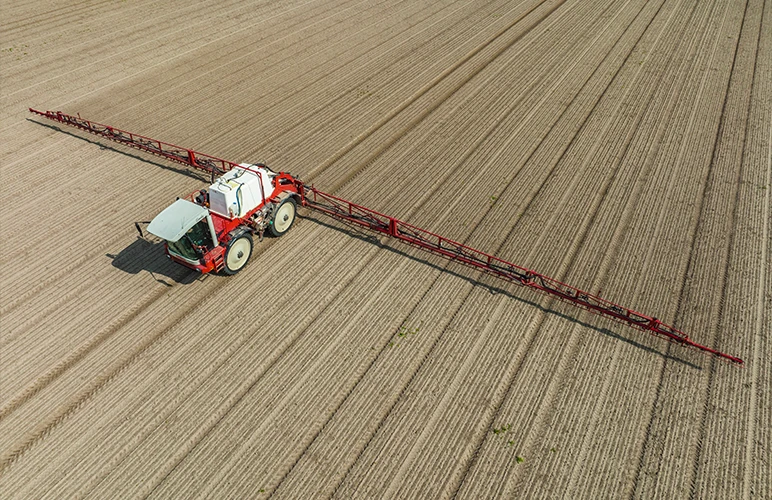
Agricultural sprayer on a field in the Netherlands. Analysts attribute the sharp rise in food prices to rising fuel and fertiliser costs, which have hit the agriculture sector hard. (Photo by Sjoerd van der Wal/Getty Images)
3. Supply chain shocks
As we’ve seen, global events like the COVID-19 pandemic or wars have a dramatic impact on food supply. The war in Ukraine affected farmland, and ports on the nation’s Black Sea coast were blocked – making it difficult to ship grain abroad. As Ukraine is one of the world’s biggest exporters of wheat, maize and sunflower oil, this led to price spikes and empty shelves in supermarkets, with impacts far beyond Europe.6
Increasingly, extreme weather is also affecting food supply. More frequent and severe droughts and floods makes it harder to grow crops. Cereals, grains and vegetables – the building blocks of bread, rice, pasta and oils – are especially vulnerable. Today, ingredients for European foods are sourced from all over the world. So, a ruined harvest in Asia or Latin America can soon drive up food prices in Europe.
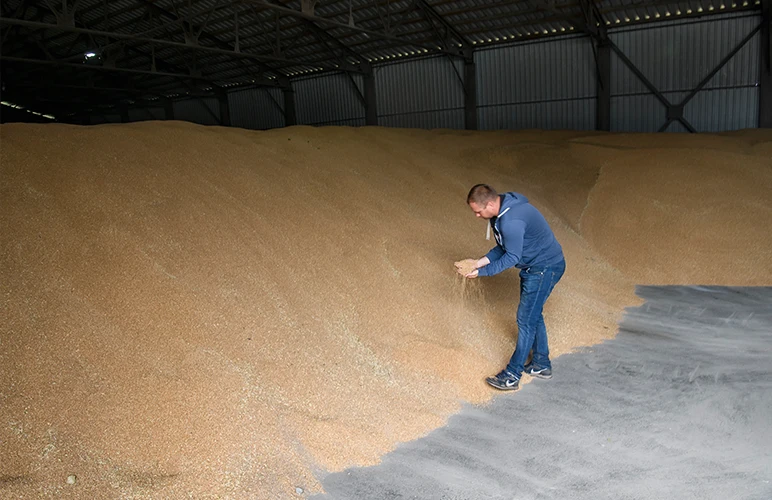
A wheat granary in the Kyiv region on August 9, 2022. Ukrainian food exports fell by around 80% in that year. (Photo by Maxym Marusenko/Getty Images)
4. Increased protectionism and uncertainty
As you see, conflicts, rising energy costs, and weather events all reveal weaknesses in the global food system. When problems happen, countries often act to protect their own food supplies. They might take actions like:
- Restricting the amount of food exported to other countries.
- Helping national food producers by adding extra costs (often tariffs) to food imported from other countries.
While such measures may help at home, they reduce the amount of food available on world markets – which can push up prices elsewhere.
This trend, sometimes called “food protectionism,” can add instability to already tense global trade. For shoppers, that can mean higher prices and make it harder to plan for the cost of food in the months ahead.
Who pays the greatest price for food inflation?
When the cost of your weekly shop rises, you have probably wondered: where is all that money going? A natural thought is that farmers benefit from higher food prices. But a quick look at the numbers shows us that’s simply not the case.
In reality, most farmers aren’t getting richer from the current food cost crisis. In fact, they’re actually protecting consumers by absorbing some of their rising input costs to grow our food.
This is a major concern in the long term: farming is ultimately a business, and the more farmers are squeezed, the more likely that some forms of farming become unprofitable. It’s especially hard for small farms that struggle to absorb the costs, or for farming that requires a lot of human work – like raising cattle.
What is agricultural inflation?
Farmers also have rising costs: lots of them. On top of fertilisers and fuel, they also have to pay for seeds, food and vet bills for their animals. Then pay for systems that deliver water to crops, soil quality testing, and other technical services. And then of course there’s the wages that need to be paid to farm labourers, which may also rise as they face the same cost of living increases as everyone else.
When European inflation spiked in 2022 as a result of Russia's invasion of Ukraine, the price of goods and services consumed in agriculture rose by 27.3%.7 That was three times higher than the average inflation rate of food and non-alcoholic beverages across the EU (11.9%).8
What about supermarkets? As many big supermarket chains continue to make a profit during difficult periods, they have been accused of 'greedflation', or making the most of a bad situation.9 Economists, politicians and pressure groups will continue to argue about whether or not big supermarkets make too much money. The fact is that when a crisis hits, it is often easier for larger businesses to absorb shocks. They can buy in bulk when prices are low, or quickly diversify the products they sell.
It can be much harder for small businesses that specialise in certain products. Imagine a local bakery that sells chocolate pastries and other cakes. If cocoa prices more than double due to bad weather in cocoa-growing countries like Ghana, it can massively increase your costs. You can only put your prices up so much before customers will give up their weekly treat.10
So where does that leave consumers? Sitting at the end of the supply chain, we often feel the price rises the most. But not everyone is hit equally. Households with lower incomes tend to spend a higher proportion of their income on food – rising food prices hit these people the hardest.
Did you know? In 2024, 8.5% of the EU population could not afford a meal containing meat, fish or a vegetarian equivalent every second day. And the figure is much higher for people who were already at risk of poverty.11
Some countries have taken specific measures to protect consumers.9 They include:
- Freezing the price of essential food items (France)
- Cutting sales taxes (Spain, Portugal and Italy)
- Capping the profits for supermarkets on food items (Greece)
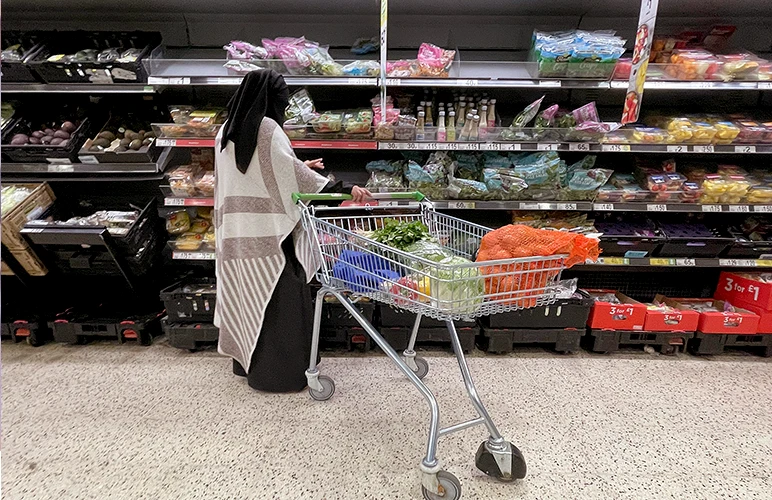
A UK supermarket in October 2022. At that time, the UK's Consumer Prices Index (CPI) had surged to 11.1%, the highest in over 40 years, driven by rising energy costs, supply chain disruptions, and conflict.(Photo by Christopher Furlong/Getty Images)
Tips for saving money when food prices rise
1. Make a smart shopping list. It might sound obvious but before you grab your bag and head out, take a peek inside your fridge and cupboards. You might be surprised to find you already have half the ingredients for a great dinner. Before you start writing your list, think about the week ahead and what kind of meals will fit into your schedule.
For more, see: Smart shopping lists: eat well, spend less, reduce waste
2. Pay attention to the unit price in supermarkets. Thanks to European rules, most food shops have to show the unit price on pre-packed food. That’s the smaller number on the label under the food that tells you how much it costs for each kilo or litre. The unit cost helps you spot the best deal.
3. Buy in bulk, but choose carefully. Related to the previous tip, buying in bulk can be a smart way to save money and time. But only buy food you will actually use. The best foods to buy in bulk are the ones that last a long time. Think of cupboard classics like rice, pasta, dried beans, oats, and canned goods.
Want to find out more? Read Budget-friendly grocery shopping: spend less, eat better.
4. Choose local and seasonal fresh produce. For example, strawberries grow in summer when it’s warm and sunny, but cabbage does best in the cooler months. This also means, they have travelled less distance – so they're often more nutritious and the journey to the shop has been shorter, which can mean cheaper prices.
5. Reduce your energy expenses by changing your kitchen habits. Try cooking larger quantities at once (batch cooking), rather than using your oven every single day. Foods like soups, stews, or casseroles are great for this because they last several days in your fridge, or weeks to months in your freezer.
Similarly, you can try one-pot meals. Cooking everything in a single casserole dish or baking tray helps save energy, with the added bonus of less washing up!
Find out more in Budget cooking tips to lower your energy bills this winter.
What happens next?
If anyone tells you they can predict the future – don’t believe them! But we can learn from history, and try to avoid the same mistakes.
The past shows us examples of food prices falling after a period of inflation. So it is entirely possible that we’ll see a fall in food prices and life becomes more affordable. However, it’s also possible that higher food prices are set to become the norm rather than the exception. So be prepared. We can all benefit from smarter shopping and setting aside more of our weekly budgets for groceries.

'No one should be sitting hungry and cold this winter,' said protesters demanding action against the high food and energy prices on September 5, 2022, in Leipzig, Germany. (Photo by Jens Schlueter/Getty Images)
It’s also important to remember that recent rises in food prices haven’t happened in isolation – it is connected to the broader situation in the world. If Europe’s economies were to start growing rapidly, the impact on household budgets could ease. The same could be true if wars end and the general geopolitical situation in the world were to improve.
There could be one silver lining: the opportunity for us all to learn a valuable lesson. Rather than just assuming everything will be fine, we need to be prepared for the unpredictable. Of course, we can’t possibly know what the next crisis will be but Europe can diversify its food and energy systems to make them more robust. Perhaps then the next crisis won’t hit us quite as hard as the last one.