Burgers made with pea protein, lentil pasta, and even energy bars packed with insects are just some newer products you might find as you shop the aisles. The types of food we eat are changing fast, and so is the way we produce them. This shift is driven by growing demand for healthier foods and the urgent need for more sustainable food production.
As many of us are looking for ways to eat a little better and tread a little lighter on the planet, it’s worth watching how food production is changing. The rise of new technologies, ingredients, and culinary experimentation is offering exciting and sometimes surprising solutions. All these new ideas show how much progress is being made in the food industry
Here are four fresh new food trends serving up healthier, planet-friendly ingredients that are good for our bodies and the Earth.
Algae: A super green protein
By 2050, the world’s population is expected to reach over 9 billion people. Because of this growth, the global demand for food and animal feed will rise.1
One key nutrient that will certainly be in high demand is protein, which is essential for our bodies to grow and stay strong. For most adults, the recommended minimum amount of protein is 0.8 grams per kilogram of body weight per day.
More than half of the protein people eat – about 57% – comes from plants like beans, lentils, and soy.2 In many parts of the world, like Asia, Africa, and South America, these plant-based proteins are everyday staples.1 But in Europe, people still tend to reach for meat more often than plant proteins.
The hunt for new protein To help meet the world’s growing need for protein without hurting the planet, scientists are looking for new foods that don’t use up as many natural resources like water, land, and energy.
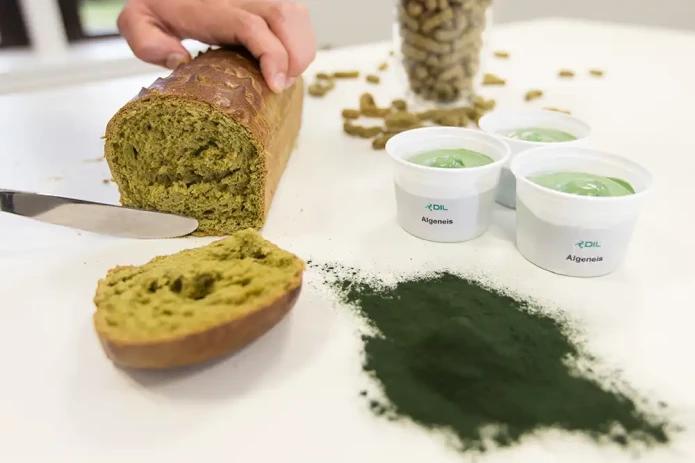
The German Institute of Food Engineering (DIL) is exploring the possible ways of integrating algae into western foods, including breads and icecream. Photo via Getty Images.
As traditional agriculture can be hard on the environment, scientists have been focusing on other high-protein foods that are more sustainable. Algae is one of the clear winners as it’s packed with protein and rich in amino acids. But when it comes to colour and taste, algae isn’t the most appealing. Most edible algae come in shades of blue, green, and reddish brown and often taste a little salty and bitter.3 And you’re unlikely to find algae on most European menus. Luckily, scientists have found some new ways to add algae to our diets.
Did you know? Companies have found clever ways to add nutritious algae to our diets without us even noticing. Scientists discovered that by changing the colour, algae can be combined with everyday products like bread, cheese and yoghurt. By doing this, we can add more nutrition without changing our diet. Thanks to these smart ideas, algae is becoming easier to use in everyday foods.
Bugs: Amazing ancient food
While algae is still unfamiliar to many, another ancient ingredient is making its way back into our kitchens. Bugs have been used in cooking for quite some time. From the Romans and Greeks to the Indigenous Australians, insects were a useful ingredient.7 8 Some people ate them as a special treat, while others relied on them as a cheap protein.10 But in modern-day Europe, insect products are not something we ever really eat. That could all change soon, thanks to ongoing research and innovation.
Gourmet restaurants like Noma in Copenhagen – widely considered one of the best restaurants in the world – have already tempted diners with culinary delights made with insects.9 Meals with insects are packed with protein and flavour, and as a bonus, they’re also eco-friendly. Crickets need much less space and water to grow, and are about 4 to 12 times more efficient at converting feed into meat compared to pigs and cattle.10
Insect protein is also moving into mainstream food products. Companies are finding new ways to incorporate this nutritious ingredient into their products by adding insect powder to protein bars, burgers and more.11 12
And insects aren’t just showing up in human snacks, they’re also making their way into the food chain in surprising ways. As of 2022, insect protein has been approved for use in animal feed.13 14 This means farmers don’t have to use as much soy-based feed, which is known to be draining on the environment. So, bug protein may be reaching your dinner plate indirectly. And it’s helping traditional agriculture improve its sustainability.
3D-printed food: Less waste, more control and convenience
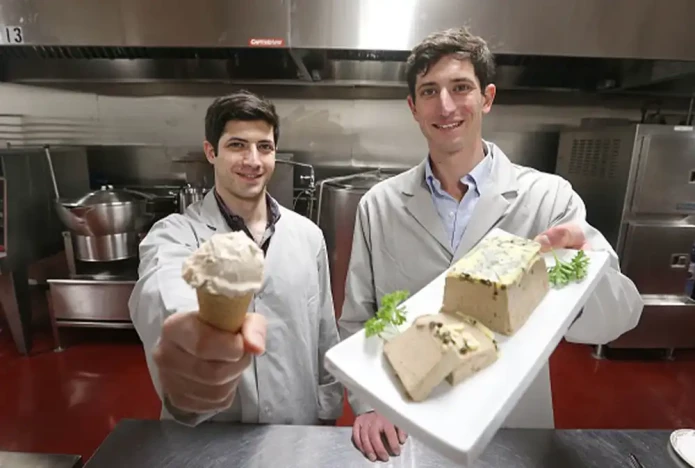
Technology is also changing the way we cook and produce food. You might have heard of 3D-printed houses, cars and shoes, but did you know we can also make 3D-printed food? Tokyo’s Sushi Singularity restaurant concept has been experimenting with 3D-printed sushi using sustainable ingredients like crickets and seaweed.15 Apart from using eco-friendly ingredients, the use of 3D printers could also help the environment by reducing waste and supporting the preservation of resources. Thanks to 3D printer technology, leftover food waste that usually gets thrown away can be transformed into nutritious snacks.16
The other advantage of 3D-printed food is that the machines can use data to adapt meals to meet individual functional and nutritional needs. This personalisation could be useful in places where diets need to be carefully monitored. As this technology advances, we may see 3D-printed food in hospitals, schools, and retirement homes, helping to adapt meals to specific dietary requirements. This blend of tech and food could help eliminate waste and redefine how we produce food at scale.17


Cookies being produced using a mobile 3D printer at TU Bergakademie Freiberg, Germany. Photos by Robert Michael via Getty.
Kitchen garden: Organic leafy greens
Not everyone has access to a garden or balcony, and growing your own food is not always easy or possible. But vertical farms are changing that.
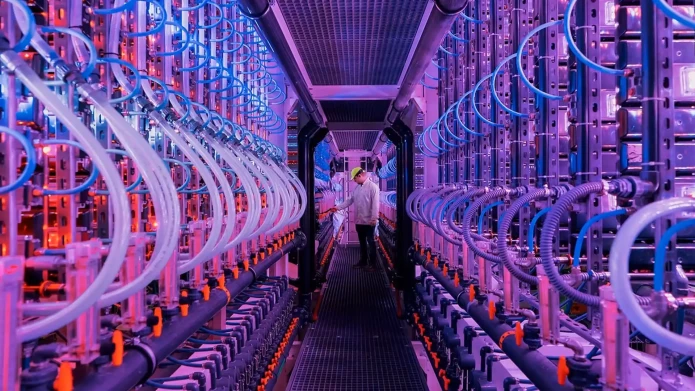
Vertical farming is an idea that’s moving from science labs and skyscrapers to kitchens and classrooms. These small, tiered, vertical growing systems offer an enclosed area where plants can grow and receive the correct amount of nutrients, light, water, and air.18 Some household versions look like sleek bookshelves filled with leafy greens, while others are compact enough to fit in a kitchen corner. They use much less water than traditional gardening, and because everything is climate-controlled, they can grow fresh produce all year round.
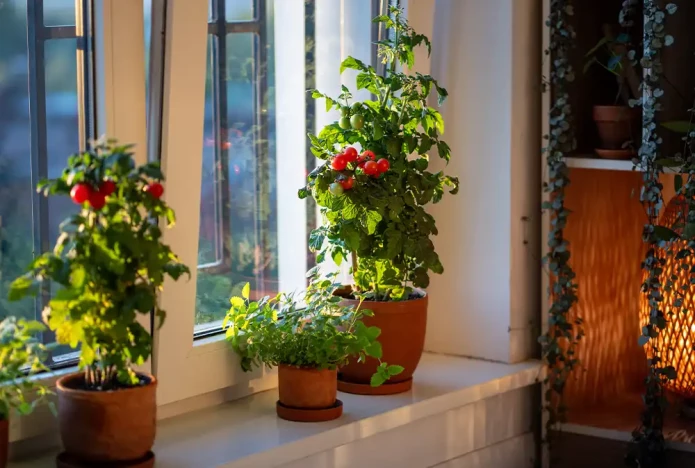
Of course, you don’t need high-tech gear to grow your own food at home - a few potted herbs on a sunny windowsill is still a great solution. However, vertical farming is opening up our imagination for where we grow our food, making use of space in a way we didn’t think was possible.
Smarter, greener, fresher food
The future of food is changing fast, and some of the most exciting ideas could be ones you might have never thought about before. Alternative proteins like algae and insects are eco-friendly and healthy. They can give food a nutritional boost without compromising on taste.
While kitchen gardens can help reduce packaging and teach kids about healthy food, technology is also stepping in to make a difference. A 3D printer, for example, offers a new way to cut down on food waste while serving meals packed with nutrition.
These new trends won’t replace traditional agriculture, but they can help balance out some of the harm older farming methods can have on the environment. Moreover, these new food trends offer us a more nutritious and varied diet without us having to give up our favourite foods. That’s something we can all probably get on board with.


Most viewed



References
- Mancini, S., Di Lena, G., & Barone, G. (2005). Edible seaweeds: Nutritional and functional properties. Nutrients, 11(6), 1399–1411.
- Saini, R. K., Nile, S. H., & Park, S. W. (2021). Seaweed bioactive compounds. Frontiers in Nutrition, 8, 772573.
- Michelin Guide. (n.d.). 6 edible, delicious varieties of seaweed.
- Yadav, R. K., & Kumar, S. (2016). Nutritional and medicinal values of seaweed: A review. International Journal of Engineering Research and Applications, 6(12), 430–438.
- Vegpreneur. (2023). Meet the world’s first microalgae-based cheese.
- Smith, P., & Johnson, L. (2018). Nutritional benefits of microalgae consumption. Nutrition Journal, 17(1), 15–24.
- Doe, J., & Lee, M. (2004). Seaweed as a source of functional food ingredients. Journal of Food Science, 69(8), 25–32.
- RMIT University. (2022, January). Eating insects: The future of protein.
- Noma. (n.d.). Insects as a food for the future.
- Zhang, Y., & Wang, X. (2021). Insects as sustainable protein source. Food Science & Technology, 45, 50–59.
- Essento. (n.d.). Berry almond protein bar.
- Essento. (n.d.). Essento insect burger.
- Politico. (2024, March 5). Insect-based pet food faces EU bureaucracy.
- Lee, S., & Kim, H. (2024). Novel insect protein applications in food. Journal of Food Engineering, 90, 100–110.
- Open Meals. (n.d.). Sushi Singularity project.
- Gonzalez, M., & Santos, A. (2024). Advances in vertical farming technologies. Agricultural Systems, 240, 103–110.
- Food Unfolded. (n.d.). Vertical farming: What’s the deal anyway?
Do you care about thefood system?
Take part in our Annual Survey 2025
Take the survey