Fibre plays a starring role in our health. Think of it as nature’s broom, sweeping through the digestive system and keeping things running smoothly. And while we might already know that foods like veggies, lentils, and nuts are full of fibre, it’s worth knowing that cooking and peeling them can take away some of that fibre too. That means it’s not just about what we eat, it’s also about how we prepare it.
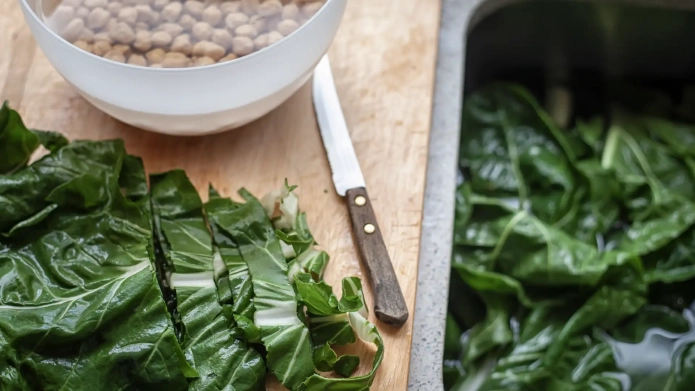
Luckily, a few small changes in the kitchen can make a big difference in how much fibre ends up on your plate. In this article, we’ll give you some simple tips to help you keep (and boost) the fibre in your meals, so you’re getting the most out of your food.
What happens to fibre when we cook it?
When we cook foods that are high in fibre — like vegetables, beans, or potatoes —some of the fibre starts to break down. One type of fibre, called pectin, helps hold plant cells together and gives food its firmness. But when we cook, the pectin starts to break apart. That’s why hard vegetables can become soft and mushy, like when firm potatoes turn into mashed potatoes.
With beans and other legumes, their outer shell is tough because of pectin. To help legumes cook faster, we can soak them in water before cooking. This softens their tough pectin shell, and helps beans cook more quickly and evenly.
Did you know?
There are two types of fibre: Soluble fibre dissolves in water, so when you boil foods like oats or lentils, a little may end up in the water, but most of it stays put. Insoluble fibre, found in foods like whole grains and many vegetables, doesn’t dissolve in water at all, making it especially resistant to cooking.1 Soluble fibre and insoluble fibre both have a part to play in good digestion. Soluble fibre aids digestion and blood sugar regulation. While insoluble fibre adds bulk to stool and helps prevent constipation. So, eating both types of fibre is optimal for our health.
Smart cooking tips for more fibre and flavour
When it comes to fibre, some cooking methods are better than others, and a few simple tweaks in the kitchen can go a long way. We’ve pulled together easy tips so that next time you’re preparing a meal, you can make a few small changes and get even more benefit from every bite.
Keep the peel
Many fruits and vegetables have lots of fibre and nutrients hiding in their skins. Potato skins and apple skins are good sources of fibre and vitamin C. Instead of peeling them and losing all that goodness, just wash them well and eat or cook them with the skin on.
Love your leftovers
Some foods like potatoes, rice and pasta can produce a special kind of fibre called resistant starch. When you cook and cool these foods, the starches change and give you this resistant starch that’s really good for your gut. Even if you reheat them later, the resistant starch stays high. So, dishes made with leftovers like potatoes and rice are packed with fibre and still full of nutrients.
Choose your cooking method wisely
- Boiling smart: If you are boiling vegetables, use as little water as possible. Also, don’t overcook them. Try to use the leftover water from boiling in soups or sauces to keep all the vitamins.
- Steaming: When you steam vegetables like broccoli or carrots, they lose very little vitamin C, so it’s a better way to preserve all the vitamins and minerals.
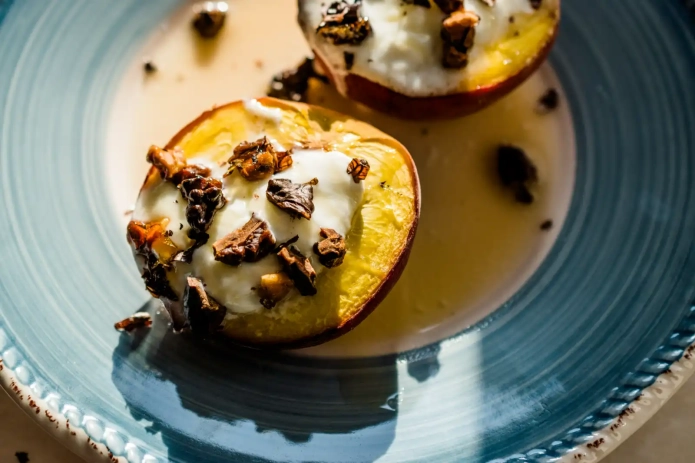
- Roasting: Cooking veggies this way brings out their natural sweetness. It’s also a great way to keep B vitamins. When you roast tomatoes, it can also increase lycopene, a healthy antioxidant that’s good for heart health.
Does boiling destroy fibre?
You might have heard that boiling veggies takes away all their goodness. This is not entirely true. Fibre itself is not destroyed by heat. It stays in your food even after cooking. However, boiling can make some other important things, like vitamin C and some minerals, leak from the vegetables into the water. So it’s often a good idea to steam your veggies instead.
Fibre-rich foods and the best ways to cook them
Some of the food groups rich in fibre are: legumes (like lentils, chickpeas, black beans, kidney beans), vegetables, fruits, whole grains (like brown rice, oats, quinoa, barley) and nuts and seeds. Let’s explore some delicious and nutritious cooking techniques to preserve as much fibre as we can from these foods.
Cooking with legumes
Legumes like lentils, chickpeas, kidney beans, and black beans are some of the best foods you can eat for fibre.2 They’re also full of protein and tend to be more affordable than meat or tofu. You can save time and fuss by using cans of precooked chickpeas or beans. Or you can use dried legumes and prepare them following the instructions on the packet. Top tip: dry kidney beans must be boiled in fresh water for at least 30 minutes to destroy a natural toxin that could give you a sore tummy. Don’t use a slow cooker for this, as it might not get hot enough. Once cooked properly, add them to soups or stews.
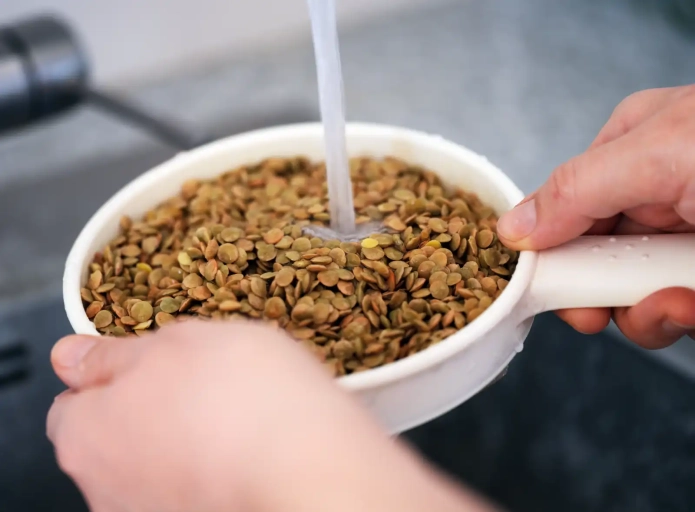
Legumes, such as lentils, should be rinsed before cooking to remove dust. Soaking lentils overnight in water will make them cook faster, saving time and energy, but it’s not essential!
Did you know?
Fibre can cope with heat much better than many other nutrients. While cooking can reduce levels of vitamin C and some B vitamins, fibre is a bit more robust.3 Eating a variety of raw and cooked foods will help you have a delicious diet full of the nutrients you need.
Cooking with vegetables
Vegetables don’t have as much fibre as legumes, but they’re packed with all sorts of helpful vitamins and minerals. That’s why it's great to think about ways to lock-in fibre while still creating delicious meals.
- Roast and go
Toss your veg in a bit of oil, sprinkle it with salt and your favourite herbs or spices, and roast in a hot oven. Remember to keep the skins on squash and potatoes for extra fibre and minerals. - Lock in nutrients by steaming
Steaming is a gentle way to cook most vegetables in about 10 minutes. Use a steamer pan or a metal sieve (metal strainer) over a pot of boiling water. Pop a lid on top (not all the way closed, you want to let a bit of steam out) and you’re good to go. Bonus: this method keeps in the most nutrients.4 - Save time by stir-frying
This is a fast way to cook and a great way to keep fibre, flavour and nutrients. Use a wok for best results and cook on high heat for a short amount of time.
Did you know?
Pairing your veggies with a little oil is a smart move. It helps soften the fibre, making it easier on your tummy, and also unlocks some of the goodness inside. Vitamins like A, D, E and K need a bit of fat to be absorbed properly. So a drizzle of it doesn’t just add flavour, it helps your body make the most of your meal.5
Cooking with grains
Whole grains and whole-grain foods are a great source of fibre.
- Treat whole grains like sponges
Think of grains such as brown rice or quinoa as tiny sponges. Place them in two to three times their volume of cold water, then let them simmer (boil gently) until they’ve soaked up enough water to feel tender. Check the packet for exact cooking times because each grain has its own preference. - Brown rice isn’t in a rush
Brown rice still wears its fibre-rich bran layer, so it needs around 40–50 minutes to cook, rather than the 10–15 minutes white rice takes. Allowing this extra time means it’ll finish soft and chewy rather than crunchy. - Toast grains for a flavour boost
Before adding water, warm whole grains in a dry pan over high heat for a minute or two. This unlocks a nuttier aroma. After that, pour in the water and continue cooking as usual.
What’s the difference between whole grains and whole-grain foods?
Whole grains like quinoa, millet, brown rice, barley, farro, and buckwheat are the actual seeds of certain plants.6 You can cook them just as they are. Whole-grain foods, like whole-grain bread or pasta, are made from flour that keeps all parts of the grain. That means they still have the fibre that’s removed in white flour.
Cooking with nut and seeds
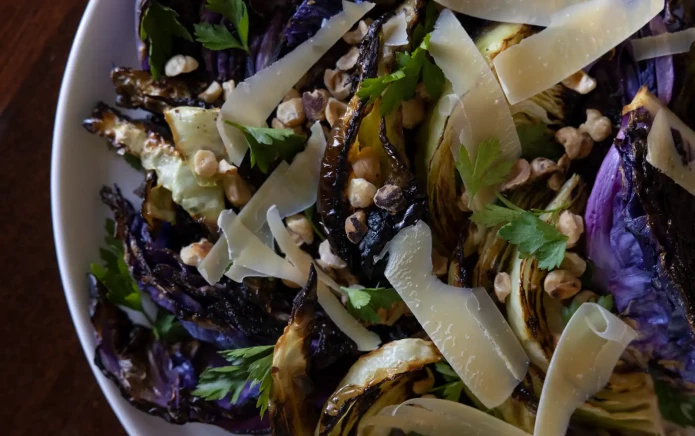
Nuts and seeds are packed with healthy fats, fibre and minerals. Even a small handful adds flavour, texture and a little extra sparkle to your meal.
- Sprinkle as a finishing touch
Scatter a handful of whole nuts or seeds over your meal just before serving. It’s an easy way to boost fibre and minerals and make your dinner look fancy. - Use nut and seed pastes in dressings
Peanut butter or tahini (sesame seed paste) make simple, flavourful bases for salad dressings. Stir them into a little lemon juice, olive oil and seasoning for a creamy, fibre-rich addition to side salads and slaws. - Add seeds to baking
You can stir chia seeds into muffin batter for a gentle crunch, or press poppy seeds into the top of homemade bread before it goes in the oven. They add both texture, fibre, and extra nutrition. - Toast for deeper flavour
Bring out the best in sesame, pumpkin or sunflower seeds by toasting them briefly in a dry pan over medium heat. As they warm, they release a nutty aroma and a richer taste.
Maximise your fibre
We know that fibre is tough and holds up well during cooking, especially when you use methods like steaming, roasting, and stir-frying. Simple choices like leaving the skins on your fruits and veggies, or eating leftover potatoes, pasta, and rice are great ways to get the most fibre from your food. Adding lentils, beans or roasted veggies to your soups, stews, and salads, or even sprinkling nuts and seeds on top, is a tasty way to get more fibre without trying too hard. These small changes mean you’re not just eating fibre, you’re getting the most out of it, and your body will thank you for it.

Most viewed
References
- Healthline. (2022, September 10). Soluble vs. insoluble fiber: What’s the difference? Healthline.
- U.S. Department of Agriculture, Agricultural Research Service, Beltsville Human Nutrition Research Center. (n.d.). FoodData Central [Data resource]. Retrieved July 3, 2025, from
- Nowak, K., Rohn, S., & Halagarda, M. (2025). Impact of cooking techniques on the dietary fiber profile in selected cruciferous vegetables. Molecules, 30(3), 590.
- BBC. (2024.). Healthiest vegetable cooking method [Web article]. Retrieved July 3, 2025, from
- Centers for Disease Control and Prevention. (2018). Chapter: Fat‑soluble vitamins in Nutrition in infants and children, second edition. U.S. National Library of Medicine. Retrieved July 3, 2025, from
- Mayo Clinic Staff. (2022, December 10). Whole grains: Hearty options for a healthy diet. Mayo Clinic.
Do you care about thefood system?
Take part in our Annual Survey 2025
Take the survey