They say the quickest way to the heart is through the stomach – and many countries use their food to gain friends and influence. This approach, known as “gastrodiplomacy”, helps shape how nations are seen on the global stage, offering political and economic rewards.
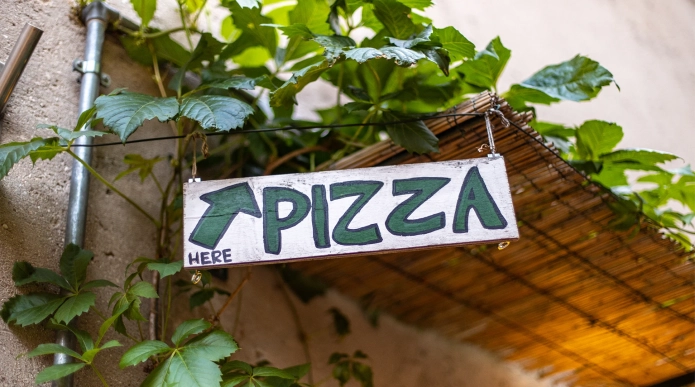
For midsize countries especially, food can be a powerful tool for gaining influence.1Take Italy, for example. While it may not rank alongside the USA or China in terms of economic scale, its culinary exports – from pasta and pizza, to espressos and gelato – are global icons.
This food fame doesn’t just bring tourists, it presents Italy as a country with good taste and quality products.
Gastrodiplomacy: a growing trend
Today, more governments and regions are recognising the value of cuisine as a way of boosting international status. Known as gastrodiplomacy, it involves promoting national food at home and abroad through campaigns and investments. Rewards include economic growth, increased tourism, and a route to the top table of global politics.
Read on to discover some of the clever ways that countries and regions use food to promote their cultures. It will help you to understand the politics behind the food that ends up on your plate.
Why does food matter in political settings?
Gastrodiplomacy isn’t new. Historically, food has been used as a form of building relations. British Prime Minister Winston Churchill even considered it a key part of his negotiating strategy. In recent years, the tactic has been on the rise.
In 1972, US President Richard Nixon famously used chopsticks during a state dinner with Chinese Premier Zhou Enlai. At the time, this small gesture was rare among Western leaders – yet it played a symbolic role in warming relations between China and the USA.2
Today, many governments are using food to help change international perceptions of their countries. One major aim is to attract more tourists – and with them who will spend money in their countries.
Did you know?
For nine in ten people, the food culture is a key factor in the choice of holiday destination3
The power of taste: How nations use food to build associations
Over time, certain national dishes have come to represent much more than just taste – they reflect culture, values, and lifestyle.
French food is a classic example. It’s often linked with style, luxury, and tradition. France has established its food as the gold standard for fine dining. If you had to name a sparkling white wine, you’d probably say Champagne – even though many other types exist.
But it goes beyond the food itself. France’s culinary reputation elevates its other cultural exports – fashion, film, design, tourism – by association. The food is part of a virtuous circle.
Did you know? France even shaped the way professional kitchens work worldwide. If you’ve seen TV shows like The Bear, you will have heard terms like sous chef (second in command) and chef de partie (in charge of a particular station like sauces or desserts).
Let’s take a gastro tour of the mind
Imagine you’re sitting in a cafe in Paris. Maybe you’ve never even been to France. But can you almost taste a buttery croissant, as you hear the locals chatting and smell the morning coffee drift through the air?
Now imagine you’re in a bar on Spain’s southern coastline. Can you smell the smoky blend of seafood and paprika, as you sip an ice-cold sangria under a perfect blue sky?
Nations work hard to strengthen these associations – using food to build a richer, more appealing image of their culture. Ok, for some nations it’s easy!
A new wave of gastrodiplomacy in Europe
Today, ingredients, recipes, and culinary traditions travel more easily than ever – helping local flavours gain global recognition. The European Union invests money in promoting European cuisine worldwide through campaigns with slogans like ‘Enjoy, it’s from Europe’.
How Europe promotes its food on the world stage
- European Commission campaigns promote EU farm products both within Europe and abroad.
- These campaigns often highlight the quality and sustainability of European food.
- In 2025, €132 million has been set aside to support these efforts.4
- Special efforts are being focused on China, Japan, South Korea, Singapore, and North America – which are seen as high potential for growth.
Across Europe, nations and regions are using food to show the world what they stand for.
Case study: New Nordic Cuisine
The Nordic countries – Denmark, Sweden, Norway and Finland – launched a movement called New Nordic Cuisine. It mixes old ingredients with new cooking styles and focuses on being local, seasonal, and sustainable. Their chefs have gained international attention for being creative and eco-friendly.
This movement was formalised in the Nordic Kitchen Manifesto in 2004.5 It fits with how many people view the Nordic region: modern, socially responsible, and close to nature.
Gastrodiplomacy tips from Southeast Asia
Did you know? The term gastro-diplomacy was first used in 2002 by The Economist, referring to Thailand’s “Global Thai” campaign.6
Step one in gastrodiplomacy: take measures to make your food visible. That’s exactly what the Thai government did in the early 2000s. The plan was to increase the number of Thai restaurants worldwide by making it easier to:
- Import Thai ingredients
- Hire Thai chefs
- Secure soft loans for restaurant owners
The results were striking. From 2002 to 2018, the number of Thai restaurants beyond Thailand’s borders jumped from 5,500 to over 15,000.7 During the same period, international visitors to Thailand jumped from 10 million to nearly 40 million, helping make it the 8th most visited country in the world before the COVID-19 pandemic hit.8
South Korea is another modern example of a nation using food to boost its national status. The government created the World Institute of Kimchi in 2010 to promote its beloved fermented dish. This move helped turn kimchi into a global phenomenon, building on the momentum around other Korean exports such as cinema and pop music.9
Geopolitics and protecting food traditions
Food can also get caught up in geopolitics. For smaller countries, promoting national dishes can be a peaceful way to show their unique culture. For example, Ukraine’s borsch was quickly added to UNESCO’s list of “Intangible Cultural Heritage in Need of Urgent Safeguarding,” following a campaign by Ukrainian chef, Yevhen Klopotenko.10
As Europe continues to explore gastrodiplomacy, it’s not just about taste – it’s about telling stories, building bridges, and strengthening identity on the world stage.
European food on UNESCO’s List of Intangible Cultural Heritage
- The French ‘Gastronomic Meal’
- The Mediterranean Diet
- Belgian Beer Culture
- The Art of Pizzamaking in Naples
UNESCO began adding food-related traditions to its List of Intangible Cultural Heritage in 2010. The 50 food-related items on the list cover the cultural knowledge, skills, and social values they represent.
What are the risks of turning food into a brand?
Food isn’t just fuel – it’s personal. Scroll through your social media and you’ll probably see photos of brunches, home-baked cakes, or friends in colourful restaurants. We use food to show off our taste, our lifestyle… even our values.
And just like individuals, countries do the same. National campaigns can use food to shape how a country is seen by the rest of the world. But this kind of branding can come with some downsides.
Any strong feelings about avocados?
Food is deeply tied to identity – and identity has become political. Think of avocado on toast. In many European cities, it’s become a symbol of trendy, modern neighbourhoods. For some, it’s exciting. For others, it signals rising rents and the loss of long-standing local businesses.
But let’s be honest – every European country has its food stereotypes. These clichés can be funny, but they can also stir up controversy. Just as we saw with Estonia’s 2025 Eurovision entry ‘Espresso Macchiato’ – a song that poked fun at the seriousness of Italian coffee culture. Not all Italians saw the funny side, however, with some accusing the song of reinforcing stereotypes.10
Food and politics: the trouble with gastronationalism
Who has the best olives – Spain, Italy, Greece? To avoid sparking our own diplomatic crisis, let’s just agree they’re all delicious!
But there is a more serious side to national claims over food. When specific food becomes too tied up with national pride, it can lead to the phenomenon of gastronationalism.7
This happens when food is used to draw lines between who belongs – and who doesn’t. Take the Mediterranean diet, for example. You’ve probably seen it praised in countless articles as the ultimate healthy way to eat. It’s now a billion-euro industry, with countries proudly promoting it as part of their national identity.
In 2013, the diet was even added to UNESCO’s list of cultural heritage, thanks to a proposal by Italy, Greece, Spain, Morocco, Cyprus, Croatia, and Portugal. But it left out large parts of the Middle East and North Africa – even though they’ve played a huge role in shaping Mediterranean cuisine.
So while food can connect us, there’s a risk it can also be used to exclude others. It’s always worth asking: who gets to decide the food in our restaurants and supermarkets? And who’s left off the plate?
As consumers and travellers, how can we approach cultural cuisines with more thoughtfulness?
Hopefully you now see that gastro-diplomacy is more than just sharing food. It’s a powerful way for countries to shape how the world sees them. The way you think about a country’s cuisine often colours how you see its people, culture, and values.
So when you stumble across a great new dish from halfway across the world, it might not be an accident. Governments often fund campaigns to help restaurants open abroad or run ads to introduce you to their national flavours.
But while food can connect us, it’s worth thinking about what’s left off the menu. Just because a country promotes a dish doesn’t mean it owns it. Many cuisines are the result of centuries of shared history, trade, and migration.
So yes – enjoy that Mediterranean diet! It’s delicious and great for your health. But why not go a step further? Try Tunisian olive oil, explore the spices of Lebanon, or whip up a fresh tabbouleh from a Middle Eastern recipe. Your plate – and perspective – might just get a little richer.
Most viewed


References
- Parasecoli. (2022). Gastronativism: Food, Identity, Politics. Columbia University Press
- Chow. (2024). How food and chopstick skills are helping ease US-China tensions. Al Jazeera.
- Wondirad & Verheye. (2022). Does gastronomy determine visitors’ holiday destination choice? Empirical evidence based on a mixed-methods research approach. Food Science & Technology. doi.org/10.1080/23311932.2023.2266195
- EC. (2024) Commission allocates €132 million to promote sustainable and high-quality agri-food products in the EU and worldwide
- Nordic Co-operation. (2004) The New Nordic Food Manifesto
- The Economist. (2002) Thailand's gastro-diplomacy.
- Hong. (2024). The game of gastrodiplomacy. Vittles
- The Tourism Authority of Thailand (TAT) via Wikipedia. Accessed 4 July 2025
- Ko Dong-hwan. (2025). From K-pop to kimchi: How Korean cuisine is conquering the world. The Korean Times.
- Valeriya Safronova. (2024). Kitchen diplomacy: how governments use food as a soft power. The Parliament Magazine.
- Madden. (2025). Eurovision 2025: The provocative Estonian pop song that has caused outrage in Italy. BBC. Accessed 3 July 2025
Do you care about thefood system?
Take part in our Annual Survey 2025
Take the survey