We’ve all heard the hype: the Mediterranean diet is one of the healthiest ways to eat. But is there more to it than olive oil, veggies, and grilled fish? Backed by decades of research, this popular diet has been linked to a lower risk of heart disease, stroke, and type 2 diabetes.1
But what makes the Mediterranean diet so powerful? And can you still follow it if you live somewhere cold, far from olive groves and the Mediterranean sea? Let’s take a look at what the Mediterranean diet is, why it’s good for your health (and the planet), and how you can make it part of your life no matter where you live.
What is the Mediterranean diet?
The Mediterranean diet is less of a diet and more a way of life. It’s not about counting calories or cutting carbs. It’s about eating with the seasons, choosing locally grown food, and making the most of it. And at its heart, the Mediterranean diet is about slowing down and enjoying your meals with others.2
Are you looking to slow down and get more from your meals? Discover the health benefits of mindful eating here.
The Mediterranean diet isn’t a strict plan but a style of eating that includes plenty of pulses, vegetables, grains, olive oil, fish and modest amounts of dairy, eggs and meat. Red meat still has a place, just not at the centre of every plate. It’s more of a treat than a daily staple.


Traditional Mediterranean diets involve a lot of natural home cooked foods, rather than quicker, processed options. Photos via Getty.
Where the name came from
The term Mediterranean diet came from an American. When scientist Ancel Keys was on holiday in Southern Italy, he noticed that the Italians seemed healthier and had fewer heart problems. Curious, he launched a study in 1958 to explore the link between diet and heart disease. His research found that people in Mediterranean countries had lower rates of cardiovascular disease compared to people in other parts of the world.3 And so the term Mediterranean diet was born.
How to eat Mediterranean style
Bring a little Mediterranean magic to your plate with these simple ideas.
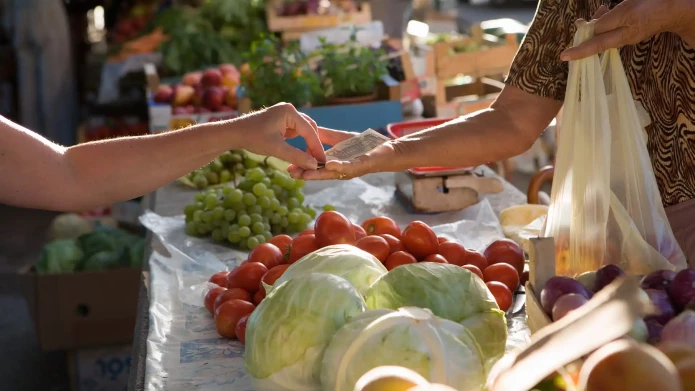
Eat fresh and local: Not only will the food be fresher and tastier, but it can also have better nutritional value, especially if you buy at a local market. In winter, feast on kale chips or warm leek and potato soup. In summer, cool down with Caprese salad made from fresh, juicy tomatoes and tasty basil leaves.
Swap butter for healthy oils: Use olive oil or another healthy plant oil like avocado oil instead of butter. These oils are full of good fats that keep your body strong and healthy. Serve a small dish of olive oil and balsamic with your sliced baguette, or use olive oil to make your mashed potatoes both richer and more nutritious.
Power up with pulses: Skip the meat and try beans or lentils as your main meal. Pulses are full of fibre that nourishes and keeps you fuller for longer. They are key to many Mediterranean diet meals. Think of lentils with rice and crispy onions, healthy white bean soup or zesty lentils with tomatoes and feta.
Use meat like a treat: Instead of making meat the main attraction, use it like a flavouring. Sauté a few lardons with greens like kale, toss in some anchovies to flavour a rich tomato sauce or add chorizo to bump up the flavour of a rice dish. A little goes a long way with meat. And when you start cooking like this, you’ll soon find yourself eating less of it.
Snack on real foods: Processed products like chips, biscuits, sodas and sugary snacks have no place in the Mediterranean diet. Choose foods that are natural and not processed. Instead of chips and chocolate bars, snack on healthy almonds, walnuts, raisins, prunes, and apples. Drink water or freshly squeezed juice instead of soda.
Give these swaps a try and see how delicious healthy eating can be. Remember, the Mediterranean diet isn’t about rules. It’s more about eating fresh ingredients, better fats, and whole foods.
Tradition on the table
The Mediterranean diet isn’t just about food — it’s about culture and community. UNESCO even recognises it as important heritage, valuing the traditions of preparing meals, sharing recipes and eating food together. Cyprus, Croatia, Spain, Greece, Italy, Morocco, and Portugal are all examples of where the Mediterranean diet and culture thrive.4
Have you got the main ingredients?
Take a peek in your pantry and fridge. We bet you already have many of these Mediterranean diet essentials.
Olive oil: Olive oil is one of the central features of the diet.5 This delicious oil is rich in monounsaturated fats, which support heart health by lowering LDL (bad cholesterol) and raising HDL (good cholesterol). Extra virgin olive oil is even better. It has antioxidants which can help reduce inflammation in the body.
Grains: Carbs like pasta, fresh bread, and couscous are everyday staples in the Mediterranean diet. Other healthy whole grains like quinoa, farro, and bulgur wheat also play a part in the Mediterranean diet.
Learn more about the complex nutrient carbs in our FoodUnfolded guide.
Fish: On the Mediterranean coast, fish is often the main protein. Oily fish like mackerel, sardines, and tuna are full of Omega-3, which is good for brain and heart health. They have a richer flavour than white fish, like cod or sole.
Pulses: Lentils, beans, and chickpeas are Mediterranean favourites. They’re packed with protein and fibre to keep your body strong and full of energy. You can also use many other beans, like fava beans, split peas, borlotti beans, black-eyed beans, etc.
Vegetables: Veggies form the base of many Mediterranean dishes. Tomatoes, aubergines, asparagus, peppers, spinach, onions, and garlic grow well in the Mediterranean climate and play a central role in their cooking. The emphasis is on locally grown, fresh vegetables in season.
Dairy, eggs, and meat: These ingredients all feature in the Mediterranean diet, but in smaller amounts. Traditionally, meat, dairy and eggs were expensive6, so they were used carefully. That way of cooking is still around today. Many people in countries like Greece, Italy, and Spain make old family recipes that don’t use that much meat or cheese. Think of a sprinkling of Parmesan over a rich tomato sauce, or a few slices of grilled chicken tucked into a salad of leafy greens and olives. The idea isn’t to skip these foods, but to use them sparingly as you would a special treat.
Mediterranean diet swaps
Not living in the Mediterranean? No problem. The Mediterranean diet is less about geography and more about making smart, simple choices. Here are some ways to eat more Mediterranean without spending too much.
- Cut costs by cutting down on meat: Traditional meat dishes are expensive, but many meat sauces can be replaced with veggies and plant proteins. Instead of meat, consider using lentils, beans, or mushrooms as a base. They soak up flavours well and are full of protein and fibre.
- Ditch processed sauces: Instead of store-bought pasta sauce, make your own with tomatoes, olive oil, garlic, herbs, lemon zest, or anchovies to bring in those classic Mediterranean flavours. It’s tastier, cheaper, and often better for you.
- Trade creamy sauces for yoghurt: Try rich Greek yoghurt instead of mayonnaise or salad creams, which are costly and often have added preservatives.
- Rethink your relationship with butter: Whenever you grab the butter, ask yourself if olive oil could work instead. It can even be used instead of butter in some recipes for cakes and breads.
Why your body loves a Mediterranean menu
Since that first study, many other scientists have shown that the Mediterranean diet is healthy. The focus on whole foods, healthy fats and plant-based meals can help reduce inflammation in the body. It can lower the risk of diabetes by making it easier to manage blood sugar levels. Plus, the high fibre in the diet is good for digestion, reducing the risk of obesity and helping us stay a healthy weight.1 Apart from all these great benefits, the diet is said to help reduce strokes,7 heart disease, dementia and even promote healthy ageing.8
While many of these studies focus on the foods, it’s worth remembering that the Mediterranean diet is more than that. It’s a whole lifestyle that includes staying active, cooking fresh meals and taking the time to appreciate your food. All these habits can have a big impact on your health, though it’s harder for researchers to measure this.9
Good for the planet, too
Scientists are also starting to notice that the Mediterranean diet is good for the planet, too.10 People who follow it tend to produce less carbon pollution.11 Since it’s built around plants like vegetables, beans, and grains, it has less impact on the environment than meat-heavy diets. It uses local food grown by smaller farmers, which helps cut pollution, save water, and protect forests.
This approach ties into a new idea called the “Planetary Health Diet.” It was designed to help people eat in a way that’s healthy for our bodies and the Earth.12 This diet suggests filling half your plate with climate-friendly foods like fruits and vegetables, and the other half with grains, beans, nuts, healthy oils and just a little meat and dairy.13 Sound familiar? It's a natural match with the Mediterranean diet.
Healthy, affordable, and eco-friendly eating
The Mediterranean diet is an easy and cost-effective way to eat healthier. The focus is on fresh fruits and vegetables, pulses like lentils and beans, fish and healthy fats like olive oil. This way of eating is good for your health and the planet.
By focusing on whole ingredients and eating our food slowly, we can stay true to the spirit of the Mediterranean lifestyle. It’s a flexible, balanced way of eating that works just as well in a small northern town or bustling cities like Paris and London as it does on a sunny Greek island. Simply try to eat more locally grown foods, use healthy fats and oils, and take time to savour meals with others.


Most viewed

References
- Rached, N., Ait‐Ouamer, N., & Tazi, M. (2020). Health benefits of the Mediterranean diet: Metabolic and molecular mechanisms. Nutrients.
- Lăcătușu, C.-M., Grădinaru, D., Mașilă, D. C., Iurian, S. C., & Moldovan, C. (2019). The Mediterranean diet: From an environment-driven food culture to an emerging medical prescription. International Journal of Environmental Research and Public Health, 16(9), 942.
- Altomare, R., Cacciabaudo, F., Damiano, G., Palumbo, V. D., Gioviale, M. C., Bellavia, M., … Lo Monte, A. I. (2013). The Mediterranean diet: A history of health. Iranian Journal of Public Health, 42(5), 449.
- UNESCO. (n.d.). Mediterranean diet. UNESCO Intangible Cultural Heritage.
- Davis, C., Bryan, J., Hodgson, J., & Murphy, K. (2019). Definition of the Mediterranean diet: A literature review. Nutrients, 11(6), 1304.
- Koushki, M., Zibaeenezhad, M. J., & Nasehi, L. (2000). Halal and Tayyib lifestyle: A reflection for blood pressure and lipids. Journal Name, 14(2), 100–110.
- Brunner, E. J., Shipley, M. J., Witte, D. R., Fuller, J., Yarnell, J. W., & Marmot, M. G. (2007). Adiposity, metabolic risk factors, and incident diabetes: The Whitehall II study. PMCID: PMC2724471.
- Estruch, R., Ros, E., Salas‑Salvadó, J., Covas, M.-I., Corella, D., Arós, F., … Martínez-González, M. A. (2020). Primary prevention of cardiovascular disease with a Mediterranean diet supplemented with extra‑virgin olive oil or nuts. Public Health Nutrition.
- Serra-Majem, L., et al. (2020). Mediterranean diet pyramid today — science and cultural updates. Public Health Nutrition.
- Jiang, C., et al. (2022). The association of healthy lifestyle with metabolic health and incident diabetes: A population-based prospective study. Frontiers in Public Health.
- Cobb, C. C., et al. (2022). Sustainable, healthy, and resilient food systems: Integrating policy, education, and equity. Environmental Health.
- EAT Forum. (n.d.). Planetary health diet.
- Willett, W., et al. (2019). Food in the Anthropocene: The EAT–Lancet Commission on healthy diets from sustainable food systems. The Lancet.
Do you care about thefood system?
Take part in our Annual Survey 2025
Take the survey