When the summer heat settles in, the last thing any of us wants to do is be trapped in a hot kitchen, standing over a blazing oven or a steaming stove. Imagine stepping into your kitchen to find it cool and welcoming instead of it feeling like a sauna.
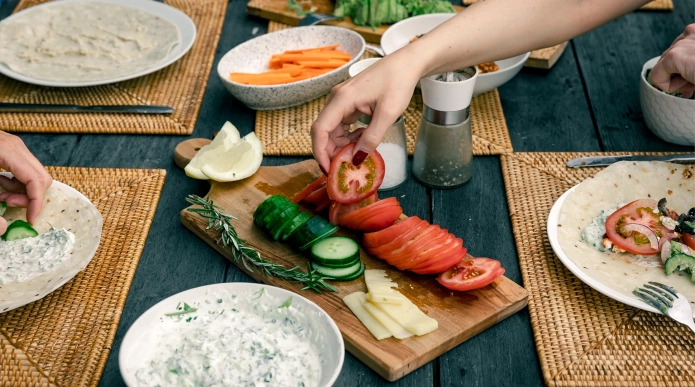
That’s the beauty of no-cook meals. With summer produce at its peak, there are plenty of easy ways to transform summer fruits and veggies into easy meals. On the hottest days when your energy is low and your thirst is high, refreshing no-cook summer recipes are exactly what you need. They’re fresh, nourishing, and quick to put together.
Here are three simple and satisfying recipe ideas to help you stay cool and refreshed even on the hottest days.
Why no-cook meals matter for you (and the planet)
No-cook meals aren’t just about staying cool, they’re often healthier and kinder to your wallet too. On top of that, skipping the oven saves energy and keeps your kitchen cool, which is a win for both your comfort and the planet. Whether you’re short on time or just want to enjoy the best of summer’s fresh fruits and veggies, no-cook meals are the way to go.
Better than takeaway
Many of us might be tempted to order takeaway when the weather gets too hot, but no-cook meals made with fresh produce are usually far cheaper and better for you. Luckily, fruits and veggies are at their very best in summer, so it’s easy to shop and make meals with these nutritious ingredients. No-cook meals are also super quick to make, and sometimes even faster than getting a takeaway meal.
Saves energy
Since you won’t be using an oven, you can keep your kitchen nice and cool, saving power and money. Most no-cook meals involve just a little chopping, blending, and light preparation. Many of these meals can be made in advance and chilled in the fridge, so they’re ready and waiting for you when you want to eat.
Versatile
One of the great benefits of no-cook recipes is that they can be easily adapted based on what you have on hand. For example, if you don’t have enough tomatoes for a tomato salsa, you can easily use mango, cucumber, or even nectarines instead. This flexibility helps you use up ingredients that are fresh and available, which can help reduce food waste.
Planet-friendly
Using ripe and fresh ingredients helps farmers too. Fresh produce tastes divine in summer, but it has a short shelf life. Buying and eating seasonal produce helps prevent it from being wasted. Eating locally grown food in season is good for the planet, better for us, and benefits local farmers and producers.
Delicious no-cook meal ideas to try
Many European countries already have a tradition of no-cook meals in the summer. Here are just a few examples of healthy and flavourful meals that are ideal for hot summer days.
Chilled soup: Gazpacho and more
Gazpacho is a simple chilled soup that works perfectly as an appetiser or light meal. It can be made with veggies or fruit, or even a mix of both. Gazpacho has been around since the ancient Greeks and Romans. Even today, this cold and tasty soup remains a staple in Spanish cuisine. The classic Spanish gazpacho recipe is a blend of tomatoes, garlic, vinegar, onions, cucumbers, green peppers, bread, salt and pepper.1 It’s a great meal to beat the heat and enjoy the best of summer.
It’s all about the bread
Bread plays a key role in gazpacho, and gives the soup its signature creaminess. The word gazpacho comes from the Arabic word for “soaked bread.”1
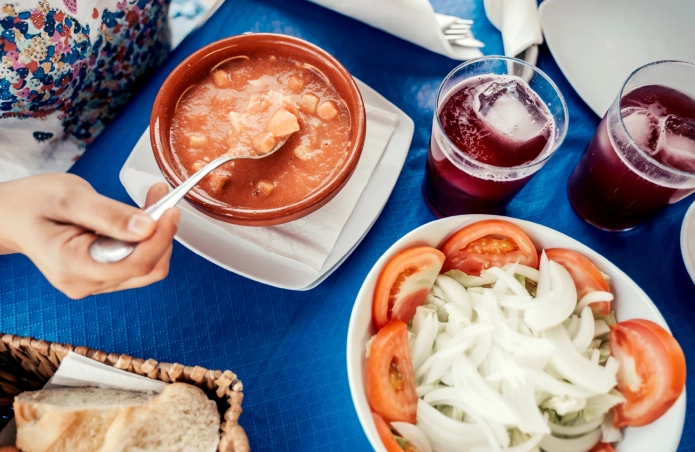
How to prepare
- Blend some vinegar and raw veggies (tomatoes, onions, cucumbers, green peppers, garlic) in a food processor.
- Soak a slice of bread in water. After about 5 minutes, gently squeeze it dry and add to the blended veggies.
- Add a good glug of olive oil.
- Blend the soup until silky smooth.
- Season it with salt and pepper and chill for a few hours to let all the flavours mingle.
- Drizzle a little olive oil on top just before serving.
Gazpacho is incredibly versatile. It can be made with many other summer fruits and veggies such as watermelon, strawberries, peaches, nectarines, celery, and radishes. To make a fruitier version, try a refreshing blend with cantaloupe melon, cherry tomatoes, garlic, sherry vinegar, radishes, cucumber and green onions.2
To make this meal nourishing, consider serving your gazpacho with a hearty lentil salad or bread with hummus on top. Beans and lentils give your body a little extra protein to keep your energy levels up.
How much protein do we really need? Find out the right amount and discover the best protein-rich foods for you and the planet.
Other ways to enjoy chilled soups in Europe
Across Europe, several countries have their own delicious take on chilled soups. In Poland, there is Chlodnik, a vibrant pink soup made with beetroot, sour cream, pickles, and sometimes shellfish. Meanwhile, in Bulgaria, summer heat is met with Tarator, a cool and creamy blend of cucumbers, garlic, yoghurt, dill, walnuts and water. These refreshing soups are light, creamy, and full of fresh summer vegetables.1
Bread salad: panzanella and more
Panzanella is a wonderful cold bread salad that’s ideal for summer. It originally came from Tuscany in Italy. Back in those hot Mediterranean summers, it was hard to preserve fresh bread. Rather than waste good bread, they used it as an ingredient for a tasty summer meal. Panzanella salad was created to make the most of stale bread and use up fresh summer ingredients.3 This classic bread salad usually includes chopped tomatoes, sliced onions, diced cucumbers, fresh basil, olive oil, and vinegar. It’s the perfect zero-waste, no-cook recipe for summer.
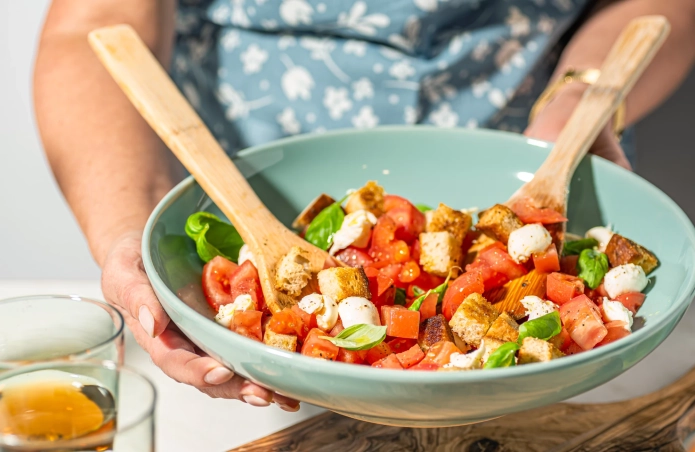
How to prepare
- Tear or chop some stale bread into bite-sized pieces and soak in water for about ten minutes.
- Meanwhile, prepare the veggies. Panzanella salad often includes chopped tomatoes, sliced onions, diced cucumbers and fresh basil.
- Add some olive oil and vinegar to the veggies.
- Once the bread has soaked for a while, gently squeeze out some of the water and mix with the chopped veggies.
- Season with salt and pepper and let the salad rest for about 30 minutes before serving to allow the flavours to mix, and the bread to soak up the dressing.
Did you know?
The first panzanella salad was made in the 14th century. It might surprise you to hear that it didn’t contain tomatoes as they hadn’t arrived in Europe yet! Instead, the original panzanella salad contained chopped onions, purslane (a type of green veggie) and cucumbers.3
One of the best things about panzanella is that it’s easy to adapt based on the ingredients you have on hand. Add crunch with summer veggies like bell peppers, celery, or radishes. For a hint of sweetness, toss in some juicy summer fruits like nectarines and apricots. Craving more protein? Chickpeas, butterbeans or even some leftover grilled chicken work beautifully. A sprinkle of Parmesan or some feta adds creamy richness, while olives or capers bring a little more saltiness. With so many twists, panzanella is the kind of dish you’ll never make the same way twice.
Panzanella gives old dry bread a new life and is a great dish to use up a surplus of summer veggies. It’s ideal for zero-waste cooking. It’s also a hearty salad that makes for a perfect lunch or light supper.
Other hearty bread salads
While Italy’s panzanella might be the best-known bread salad, other parts of the world have their own tasty variants. In Greece, dakos features barley rusks topped with grated tomatoes, crumbled cheese, oregano, olives, and olive oil.4
Fattoush is another popular bread salad that’s popular in a lot of Mediterranean countries. Fattoush is made with toasted pita bread and typically features tomatoes, cucumbers, radishes, onions, lettuce, mint, sumac, lemon juice and olive oil.5
Each of these savoury bread salads just shows how different cultures have transformed stale bread and fresh summer veggies into healthy no-cook summer meals full of seasonal produce.
Fresh spring rolls
Fresh spring rolls are colourful, refreshing, and the ultimate no-cook meal for hot days. Unlike Chinese Spring rolls, fresh spring rolls are not fried, making them light and refreshing for summer.
Fresh spring rolls are essentially rice paper parcels packed with thinly sliced summer veggies, fresh herbs, and sometimes fish, tofu, or meat. They are often served with a tangy dipping sauce. These delightful bites are originally from Vietnam, where they are known as gỏi cuốn.6
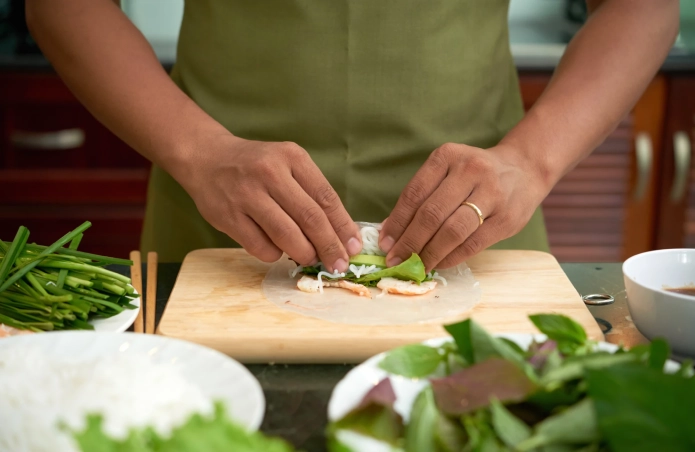
How to prepare
- Soften some rice paper wrappers in warm water. You can buy these in major supermarkets or Asian markets.
- Layer the ingredients on top of the softened rice paper. Typical fillings include lettuce, thin strips of carrot, cucumber, mango, fresh dill, pre-cooked shrimp, and vermicelli rice noodles.
- Once you have added the ingredients, roll the paper tightly, sealing the side edges first to keep everything contained.
- Serve with soy sauce or a creamy peanut dipping sauce.
Fresh spring rolls are ideal for summer, as you don’t have to turn on the stove or oven. They are made with raw, crunchy veggies that are great for cooling you down on a hot day. Spring rolls are ideal to use up fresh produce and even leftover grilled fish or meat from a summer barbecue. There are not many strict rules about spring rolls, so you can easily make them with different ingredients you have on hand. You could use some leftover grilled chicken with mango and fresh coriander. Or you could try adding some thin strips of leftover steak with cucumber, fresh dill and lettuce.
Tips for light and fresh summer meals
No-cook meals are perfect for hot days. And with a little planning, they can be just as convenient as they are refreshing.
Prep ahead
Many no-cook meals are fantastic for making in advance. You can prepare a larger batch and store leftovers in the fridge for another day. When stored in an airtight container, gazpacho will generally keep for about 3-4 days in the fridge.7
Keep ingredients cold
Store your sauces and soups in airtight containers in the fridge. Keep your veggies and salad ingredients in the crisper drawer at the bottom of the fridge to keep fresh.
Want to make your food last longer? Click here for easy fridge storage tips to keep food fresh and reduce waste.
Choose watery ingredients
Opt for crisp and juicy ingredients to help cool you down. Chilled cucumber, melon, or radishes are just a few examples of refreshing ingredients to add to your summer meals.
Be flexible
Don't be afraid to swap in other fresh summer veggies or fruit you have to avoid waste. Summer is a great time to get creative in the kitchen.
Stay cool this summer
Don’t let the summer heat stop you from enjoying delicious and nutritious meals. No-cook meals are an excellent way to eat well, stay cool, and make the most of all that fresh produce that summer offers. They are quick, easy and can help you reduce kitchen waste and energy use. Try some of these no-cook ideas and enjoy effortless, flavourful food all summer.