When we think about health, our minds often turn to our hearts, brains, or even our skin. But how often do we consider the importance of our gut? While it might not be the most obvious organ to focus on, your gut plays a central role in your overall well being, impacting everything from digestion and immunity to mental health, mood and metabolism.
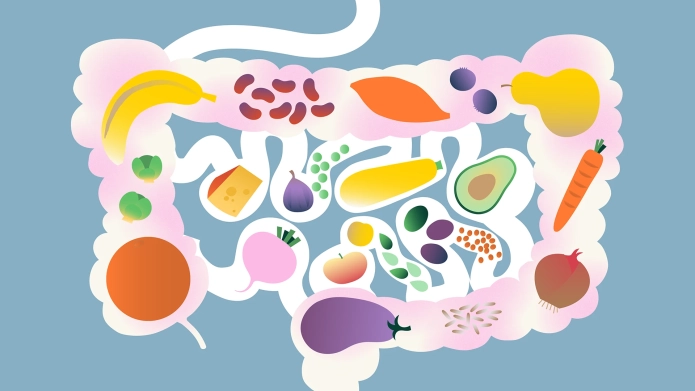
In recent years, the significance of gut health has taken centre stage in both scientific research and public health discussions. And rightly so: the gut is home to trillions of bacteria and other microorganisms that can influence nearly every system in the body.
What is gut health?
Gut health refers to the well-being of your gastrointestinal (GI) tract and, more specifically, your gut microbiome. This microbiome is a vast community of bacteria, viruses, fungi, and other microbes that live in your digestive system.
A healthy gut microbiome contains:
- A high diversity of microbes
- A rich population of beneficial bacteria
- A good balance between helpful and harmful microorganisms
This balance can be disrupted by poor diet, stress, illness, or the overuse of antibiotics, leading to various health issues such as:
- Digestive discomfort (e.g. bloating, constipation, irritable bowel syndrome)
- Weakened immune function
- Increased inflammation
- Poor mental health outcomes, such as anxiety and low mood
How gut health supports digestion, immunity, and mental health
Digestion and immunity
Your gut is like a busy little world full of friendly bacteria. Some of the best-known ones, like Bifidobacteria and Lactobacilli, help you break down food, absorb nutrients, keep your gut lining in good shape, and make sure everything’s moving along nicely.
They also help keep the not-so-friendly bacteria in check, the ones that can cause things like infections or diarrhoea.
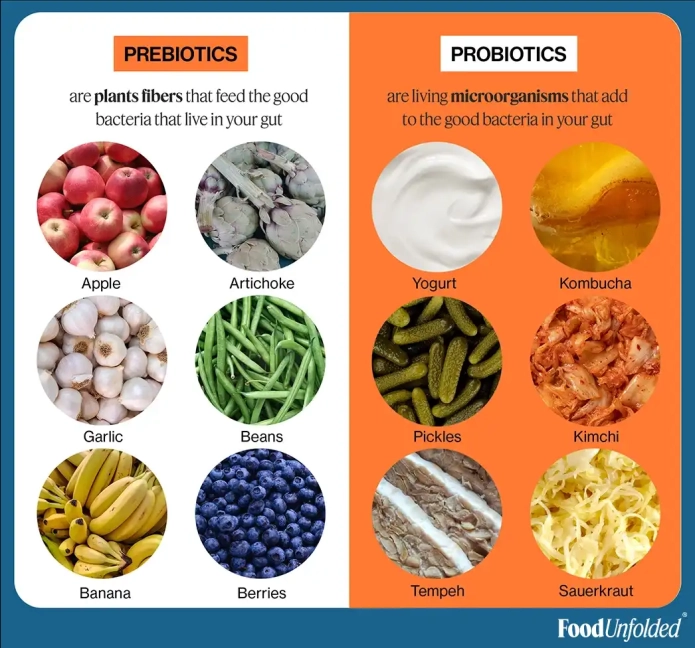
That’s where probiotics come in. These are live, good bacteria that can give your gut a little extra support. And when you pair them with prebiotics, the fibres that feed the good guys, it’s a win-win. Together, they help keep your gut happy and balanced.
Mental health and the gut–brain connection
Your gut and your brain are constantly chatting through a network of nerves, hormones, chemical signals, and neurotransmitters like serotonin. It’s called the gut-brain connection, and it means that taking care of your gut can also help support your mood and overall well-being.
Animal studies have shown that gut microbes can:
- Activate the vagus nerve, reducing inflammation1
- Influence mood and behaviour
- Help alleviate symptoms of post-traumatic stress disorder (PTSD), anxiety, and depression.2
What are probiotics and prebiotics?
Probiotics and prebiotics are key for supporting the good bacteria that live in your digestive system. While they work in different ways, both are essential for a thriving gut microbiome.
Probiotics
Probiotics are live microorganisms or good bacteria found in many foods that provide health benefits when consumed in the right amounts. These beneficial microbes help populate your gut with the “good” bacteria that support digestion, boost immunity, and maintain a healthy balance in your microbiome.
When your gut bacteria are disrupted, whether by stress, antibiotics, illness, or poor lifestyle, probiotics can help restore this balance.3
How many probiotics should I be eating?
Probiotic foods should contain at least 1 billion CFUs per serving (that stands for colony-forming units – a way of measuring live bacteria that can grow and form colonies).4 Yoghurt is one of the most popular probiotic foods because it tastes good and has a texture that most people enjoy. Some yoghurts contain anywhere from 90 billion to 500 billion CFUs! However, the types and amounts of good bacteria can vary between brands - to make sure you’re getting the benefits, look for “live and active cultures” on the label.5
Common food sources of probiotics include:
- Yoghurt with live cultures: Often labelled as “live” or “bio,” this contains strains like Lactobacillus and Bifidobacterium that support gut health.
- Kefir: A fermented milk drink that contains a wider range of bacterial strains and yeasts than yoghurt.
- Sauerkraut: Fermented cabbage rich in probiotics, vitamins, and fibre (note: raw, unpasteurised versions are best).
- Kimchi: A Korean fermented vegetable dish, usually made with cabbage and radishes, known for its probiotic content and spicy flavour.
- Miso: A Japanese fermented soybean paste often used in soups; contains beneficial bacteria and enzymes.
- Tempeh: A fermented soy product that’s high in protein and contains helpful microbes, as well as important nutrients like vitamin B12.
- Kombucha: A fermented tea drink that contains various strains of bacteria and yeast.
Prebiotics
Prebiotics are types of fibre that feed the good bacteria in your gut. Unlike probiotics, which are live bacteria, prebiotics help these bacteria grow and function better.
When you eat foods rich in prebiotics, in appropriate portions, your gut bacteria break them down and produce substances called short-chain fatty acids (SCFAs). These SCFAs help keep your gut healthy, reduce inflammation, and support your immune system. Prebiotics also help your body absorb minerals like calcium and may lower the risk of diseases such as osteoporosis, bowel cancer, and heart disease.6
Common food sources of prebiotics include:
- Garlic
- Onions
- Leeks
- Asparagus
- Bananas (particularly unripe)
- Chicory root
- Oats
- Apples
- Jerusalem artichokes.7
Probiotics and prebiotics can be found naturally in many foods. However, if you do decide to take probiotic or prebiotic supplements, please consult with your doctor first.
Working together: the symbiotic effect
Probiotics and prebiotics work best together, creating a “symbiotic” relationship. That means consuming both in the same diet can enhance their individual benefits. For example, eating yoghurt (probiotic) with sliced banana (prebiotic) is a simple way to support this synergy.
Incorporating a wide range of probiotic and prebiotic foods into your diet helps maintain a resilient, diverse, and healthy gut microbiome, one that can better support your digestion, immune response, mental health, and overall vitality.
| Probiotics | Prebiotics |
| Yoghurt with live cultures Kefir Sauerkraut Kimchi Miso Tempeh Kombucha | Garlic Onions Leeks Asparagus Bananas (particularly unripe) Chicory root Oats Apples Jerusalem artichokes |
Practical tips to improve gut health
Include the “4 Ks” of fermented foods for natural probiotics
Try incorporating at least one fermented food from this list into your diet, when you can:
- Kefir: fermented milk drink rich in probiotics
- Kimchi: spicy fermented cabbage
- Kombucha: fermented tea
- Kraut (sauerkraut): fermented cabbage
Looking for some inspiration for your 4 Ks? Here are some ideas of what you can make.
Try topping your next stir-fry with some kimchi. Or perhaps you are feeling like a refreshment? Try mixing kombucha with fruit juice for a sweet treat, or making kefir smoothies with berries and banana. Last but not list, sauerkraut, a popular option in German cuisine which can be paired with sausages or potatoes - or even try it in a sandwich with some ham and lettuce!
Follow the “30 Plants a Week” rule
Eat the rainbow! The “30 Plants a Week” concept, championed by the American Gut Project, encourages you to eat at least 30 different plant-based foods per week. This includes fruits, vegetables, legumes, whole grains, nuts, seeds, herbs, and spices. Greater diversity supports a more resilient and balanced microbiome.8
Limit ultra-processed foods (UPFs)
Ultra-processed foods are highly modified products, often made with many added ingredients, and are usually high in fat, sugar, salt, and additives, but low in fibre. Examples include fizzy drinks, instant noodles or frozen pizzas. These types of food can disrupt your microbiome, increase inflammation, and contribute to obesity, metabolic issues, and mental health concerns.
Add affordable sources of fibre
You don’t need to buy expensive supplements. Affordable, fibre-rich foods include:
- Oats
- Lentils and beans
- Carrots
- Sweet potatoes
- Brown rice
Decrease alcohol intake and stay well hydrated
Water is essential for digestion and helps dietary fibre work effectively. Aim to drink 6–8 glasses of water daily, or more depending on your activity level. High alcohol intake can lead to your intestine becoming more “open” or “leaky” - meaning more bad bacteria stay in, and less good nutrients go to the rest of your body - so try and limit your glasses of wine on the weekend.9
Manage stress levels
Chronic stress can disrupt the balance of your gut microbiome. Regular exercise, mindfulness, sleep, and relaxation techniques, including yoga and meditation, can help support a healthy gut–brain connection.
Keep the skin on fruit and veg
If you are aiming to increase your fibre intake, one easy step is to stop peeling your fruit and vegetables. The skin of your carrots and apples can contain up to 50% of the total fibre of the food.10
Healthy gut = healthy mind = healthy body
Your gut is one of the most powerful and underrated systems in your body. Taking care of it can result in improved digestion, a stronger immune system, better mood regulation, and enhanced overall health.
By focusing on a varied, plant-rich diet, incorporating fermented foods, drinking plenty of water, and managing stress, you can build a resilient and thriving gut microbiome.
Why not start today by trying a new plant food or fermented dish? Small changes can make a big difference to your gut health.

Most viewed


References
- Forsythe, P., Bienenstock, J., Kunze, W.A. (2014). Vagal Pathways for Microbiome-Brain-Gut Axis Communication. In: Lyte, M., Cryan, J. (eds) Microbial Endocrinology: The Microbiota-Gut-Brain Axis in Health and Disease. Advances in Experimental Medicine and
- Liu, X., Cao, S. & Zhang, X. (2015), “Modulation of Gut Microbiota–Brain Axis by Probiotics, Prebiotics, and Diet”, Journal of Agricultural and Food Chemistry, 63: 7885–7895.
- Ansaldo, E. (2023), “What to Eat While on Antibiotics”, Healthline.
- Meybodi, N.M. M., Mortazavian, A.M. & Arab, M. (2020), Probiotic viability in yoghurt: A review of influential factors. International Dairy Journal, 109: 104793.
- Harvard Health Publishing. (2023), “How to Get More Probiotics”, Harvard Health.
- Davani-Davari D, Negahdaripour M, Karimzadeh I, Seifan M, Mohkam M, Masoumi SJ, Berenjian A, Ghasemi Y. Prebiotics: Definition, Types, Sources, Mechanisms, and Clinical Applications. Foods. 2019 Mar 9;8(3):92. doi: 10.3390/foods8030092. PMID: 30857316; PMC
- Kubala, J. (2023), “19 Best Prebiotic Foods You Should Eat”, Healthline.
- Haak, B. W., Lankelma, J. M., Hugenholtz, F., Belzer, C., de Vos, W. M., Wiersinga, W. J. (2018), “Impact of Antibiotic-Induced Gut Microbiota Disruption on Host and Pathogen Metabolism”, mSystems, 3(3): e00031-18.
- S. Leclercq et al. (2014) Intestinal permeability, gut-bacterial dysbiosis, and behavioral markers of alcohol-dependence severi
- Maurya, A.K., Pandey, R.K. & Porwal, P. (2015), “Waste Product of Fruits and Vegetables Processing as a Source of Dietary Fibre: A Review”, Trends in Biosciences, 8 (19): 5129–5140.
Do you care about thefood system?
Take part in our Annual Survey 2025
Take the survey