Whether it’s swapping out meat a few nights a week, choosing plant milk for your morning coffee, or simply cooking more vegetables, plant-based eating is popping up across kitchens and cultures in Europe. But what is a plant-based diet? Is it vegan? Is it expensive? Do you need to eat tofu every day?
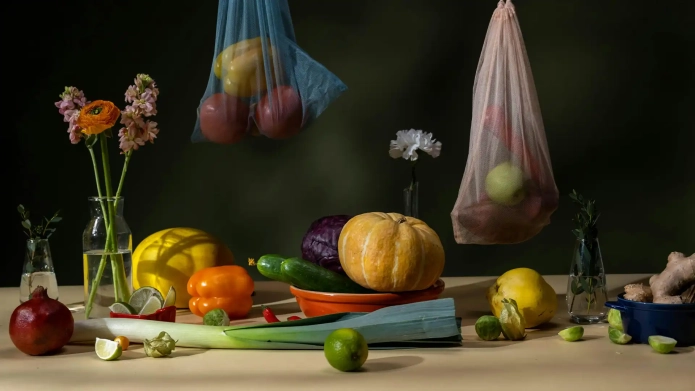
Let’s clear this up. A plant-based diet isn’t about labels, rules or giving anything up. It’s about adding more plants to your plate: more variety, more colour, and more nourishment. And it’s something almost anyone can try in their own way.
1. What is a plant-based diet?
A plant-based diet simply means eating mostly foods that come from plants: vegetables, grains, pulses (like lentils and beans), nuts, seeds and fruit. Some people eat entirely plant-based. Others still eat meat, fish or dairy occasionally but choose to put plants at the centre of most meals. It’s not all or nothing.
Plant-based eating can look different depending on where you live. In Spain, it might be a bowl of slow cooked vegetables in tomato sauce with chickpeas. In Greece, a lentil stew with olive oil and lemon. In Poland, cabbage rolls stuffed with grains and mushrooms. Across Europe, there are plenty of traditional dishes that already celebrate plant-based ingredients.
2. Why are more people choosing it?
For personal health
A growing number of studies link plant-based diets to better health. This dietary approach can significantly help in the prevention of various chronic conditions.
In fact, plant-based diets rich in fibre, whole grains, and legumes can help control blood sugar and support people living with diabetes. Managing fat intake is also often easier on such diets, which aids in healthy weight management. 1
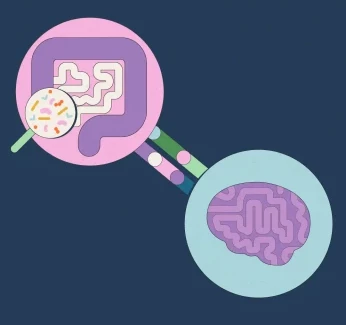
Another benefit? Your gut. A fibre-rich diet feeds the beneficial bacteria in your digestive system. These microbes help with everything from digesting food to regulating your immune system. According to this article on gut health, getting enough fibre is one of the simplest ways to support long-term wellbeing. 2
For the planet
Food choices also impact the environment. Producing meat and dairy—especially beef—uses more land, water, and energy than growing plants. It also contributes significantly to greenhouse gas emissions.
By eating more plants and fewer animal products, we can reduce our food-related footprint; that is, the environmental impact of what we eat, including how much land, water and energy is used, and how much greenhouse gas is emitted. Even small shifts matter. Choosing beans over beef once a week, or swapping out cow’s milk for a plant-based option, is a step toward more sustainable eating. 3
3. What does it look like in real life?
A plant-based diet doesn’t have to be expensive or complicated. You don’t need superfoods or fancy products; just some basic ingredients, a bit of creativity, and perhaps a new recipe or two.
Some plant-based foods are surprisingly hearty. Beans and lentils can bring the same satisfying richness as meat, and they’re also a great source of protein. Jackfruit, with its pulled-pork-like texture, is popping up on more menus and shop shelves (but, as this comes from the other side of the globe, it’s maybe not the most sustainable option). If you're curious about how to get enough protein on a plant-based diet, this article can give you a good idea.
Here are some simple ways to make meals more plant-based while keeping them as - or more - nutritious:
- Use lentils in place of minced meat in a bolognese-style pasta
- Stir chickpeas into a curry or soup
- Roast seasonal vegetables and serve with couscous or whole grains
- Try jackfruit in tacos or stews for a meaty feel without the meat
- Top porridge with fruit, seeds and nuts
- Swap dairy for oat or soy milk in coffee, cereal or baking
And the best part? Plant-based doesn’t mean saying goodbye to cultural favourites. It just means giving them a new twist—one that’s good for your body and the environment.
4. Are there things to watch out for?
Yes, but nothing unmanageable for most people.
Quick note: If you’re pregnant, have a specific health condition, or dietary requirements, it’s best to check with a doctor or dietitian before making big changes.
For everyone else, here are a few things to keep in mind:
Iron
Iron from plants (called non-haem iron) is slightly harder for our bodies to absorb than iron from meat. But it’s still possible to get enough, especially if you pair iron-rich foods (like lentils, beans, and spinach) with vitamin C (like tomatoes, peppers or oranges). 4
Vitamin B12
This is one nutrient you can’t get from plants naturally. Vitamin B12 is found in animal products like meat, dairy and eggs, so while vegetarians may get enough through foods like cheese or milk, people eating mostly or entirely plant-based should look for fortified foods (like some breakfast cereals or plant milks), or consider a supplement. 5
Variety matters
A plant-based diet can be very healthy—but only if it includes a wide range of foods. Eating lots of whole grains, pulses, vegetables, nuts and seeds is key. The same goes for any diet: relying too much on ultra-processed snacks, sugary cereals, or even meat substitutes won’t deliver the same benefits. Variety and whole foods are essential for good nutrition, no matter what your diet looks like.
5. How to get started
You don’t need to change everything overnight. Try one of these:
- Pick one day a week to eat fully plant-based. (Meat-free Mondays, anyone?)
- Choose one meal (like lunch) and make it plant-based a few times a week. Try a veggie soup, hummus sandwich or grain bowl.
- Explore a traditional plant-based dish from another country. Think Indian dal, Lebanese mujadara, or Ethiopian misir wot, and closer to home, maybe a Greek lentil soup, Spanish gazpacho, or Polish mushroom and cabbage pierogi. Many cultures have deeply plant-based recipes.
- Give your usual meals a plant-based twist. Replace chicken with smoked tofu in a stir-fry, or swap the mince in pasta sauce for lentils or mushrooms.
- Add more plant power to the meals you already love. Stir beans into stews, sprinkle seeds on salads, or roast an extra tray of vegetables to use throughout the week.
It’s OK to take your time. Every little change adds up.
So, is a plant-based diet for you?
Only you can decide what works best for your body, lifestyle and values. But if you're curious, why not try? Even small shifts can have a ripple effect on your health and the planet.
Plant-based eating doesn’t mean saying no to flavour, culture or comfort. In fact, it often means discovering new favourites, connecting to traditional recipes, and finding satisfaction in simplicity.

Most viewed

References
Do you care about thefood system?
Take part in our Annual Survey 2025
Take the survey