Summer brings a rainbow of fresh vegetables to our table, from crunchy carrots to leafy greens. But have you ever noticed how much we sometimes throw away? It might feel like just a few scraps, but it’s possible to turn these discarded bits into delicious, healthy meals. Zero-waste cooking is all about making the most of every bit of food you have, so that very little or nothing ends up in the bin.
Let’s explore what zero-waste cooking really means, why summer is the perfect season to start, and how using every part of your veggies can make a big difference for your meals, your wallet, and the planet.
Why zero-waste matters
Across Europe, millions of tonnes of perfectly good food are thrown away each year, with households contributing to more than half of this waste.1
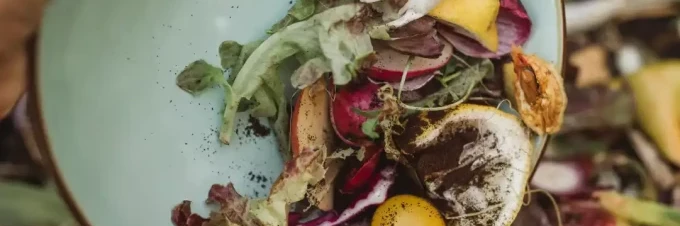
That’s a huge loss for us, but an even bigger problem for the planet. When food ends up in a landfill, it releases harmful gases that contribute to climate change. By reducing food waste at home, you can play a role in protecting the environment.
Those food scraps we toss (think carrot tops, beet greens and outer leaves of veggies) are packed with vitamins and minerals. When we throw them away, we’re not just wasting food — we’re tossing out nutrients.
Then, of course, there’s the financial cost of food. Food costs money to buy, so it just doesn’t make sense to throw anything away if we can put it to use.
The five rules of zero-waste
Refuse: say no to items you don’t need, like single-use plastics or extra packaging.
Reduce: limit the things you need, and buy only what you will use to avoid waste.
Reuse: choose reusable products like cloth bags, reusable jars or containers.
Recycle: recycle packaging that you can’t reuse.
Rot: compost organic waste to turn it into nutrient-rich soil.2
How to cook with the parts we usually toss
Let’s look at some of the most discarded vegetable scraps and how to get creative with them. Here are some tasty ways to get the most out of your favourite summer vegetables.
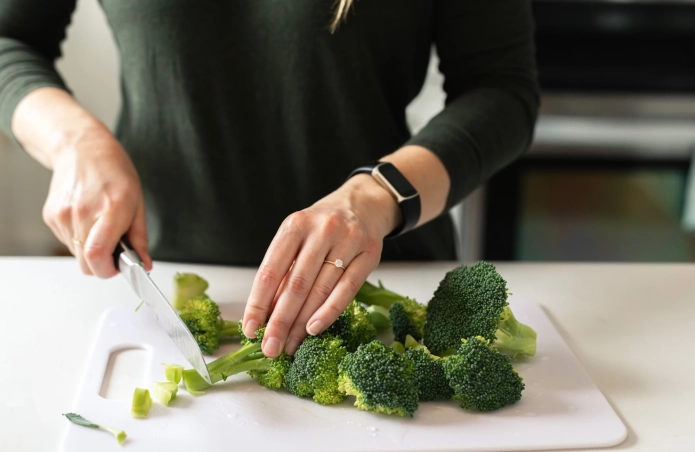
Broccoli stems
Don’t just eat the florets! Broccoli stems are crunchy and versatile. They’re also a great source of vitamin C, E, and K.3 Not to mention the fact that they are full of fibre. Here are some ideas for how to use them:
- Grate them into a fresh slaw with apple and vinaigrette
- Finely slice them and add them to stir-fries for a little extra crunch
- Dice them and add them to your next batch of soup for extra fibre and flavour
Find out more clever ways to get more fibre into your diet.
Cauliflower leaves
Cauliflower leaves are often tossed, but they are packed with minerals, proteins, and amino acids.4 Here are some clever ways to make the most of them:
- Season them with spices and a little olive oil. Then bake them in a hot oven until crispy
- Chop them up and add them to a classic cauliflower cheese
- Slice the leaves and add them to your favourite pesto recipe for extra nutrients
Don’t leaf these healthy bits behind
Leafy vegetables have natural substances in them, like phenolic acids and flavonoids, that keep our bodies healthy and protect against inflammation. Broccoli and cauliflower leaves often have even higher amounts of vitamins, some minerals, and healthy compounds than the parts we usually eat.4 5 6
Cabbage outer leaves
The outer leaves of cabbage are often wasted, even though they are surprisingly nutritious and flavourful. They may not look as perfect as the inner leaves, but they are still worth keeping. Red cabbage also has a lot of polyphenols and flavonoids in the skin compared to white cabbage.6 Here are some good ways to enjoy them:
- Shred them and make them into sauerkraut or kimchi. Once they’re all chopped together and pickled, these leaves all look and taste the same
- Slice them finely and add them to stir-fries
Beetroot leaves
These vibrant greens are often overlooked but are very nutritious and can be eaten raw in fresh salads or cooked. They are also packed with antioxidants.6 Here are some tasty ways to prepare them.
- Add them to your salads for a pepper-like flavour
- Sauté them with butter and garlic, like you would spinach
- Toss them into a curry towards the end of cooking for a burst of freshness
Carrot tops
Next time you get some fresh carrots, don’t just discard those delicious carrot tops. They are wonderfully fragrant and flavoursome.
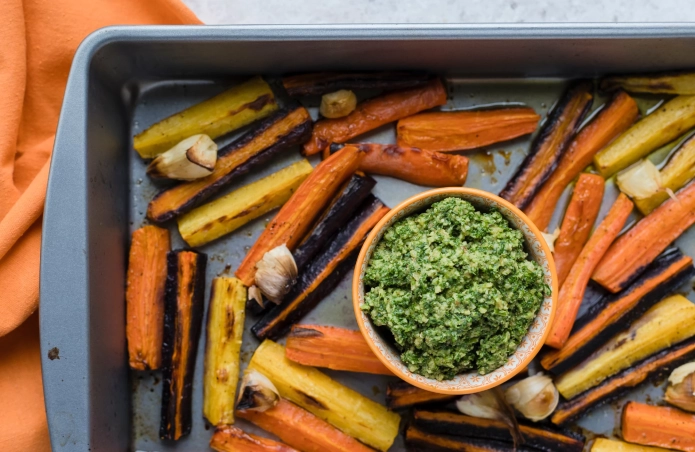
- Blend them into carrot top pesto with garlic, lemon, Parmesan, nuts and olive oil
- Chop them finely and add them to grains like quinoa or couscous
Keep the peels
The peelings from carrots, parsnips, beets, and even potatoes can be transformed into stock, soups, crispy roasted snacks, and quick pickles. Always wash root vegetables well before peeling to remove any dirt or pesticides.
Radish leaves
While the root is the most common part to eat, the leaves are also tasty. They have a peppery flavour similar to the root, but more subtle. Here are some ways to cook with them:
- Add them to your salads for a bold, slightly peppery flavour
- Blend them into a salad dressing or add some chopped leaves to your pesto
Don’t skip the stalks
Soft herb stalks such as parsley, basil and coriander are loaded with flavour and goodness. Blend them into sauces like pesto and chimichurri. Or finely chop them and add them to marinades or dressings.
Quick tips for less waste every day
Making small changes at home can make a big difference. By changing our habits, we can all find ways to make our food go further. Here are a few important tips to keep food waste out of your bin.
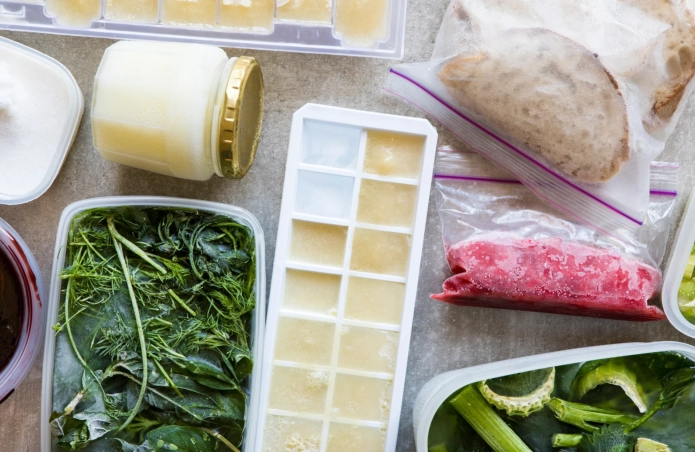
- Make stock: save vegetable peelings, herb stalks and meat bones in a labelled container in the freezer. When you’re ready to use them, these ingredients are perfect for making a nutritious homemade stock for soups or risottos.7
- Freeze surplus fruits and veggies: if you have a surplus of strawberries, bought too many bananas, or are going away on holidays, try to freeze your fresh produce rather than tossing it in the bin.
Discover the best ways to freeze summer fruits here.
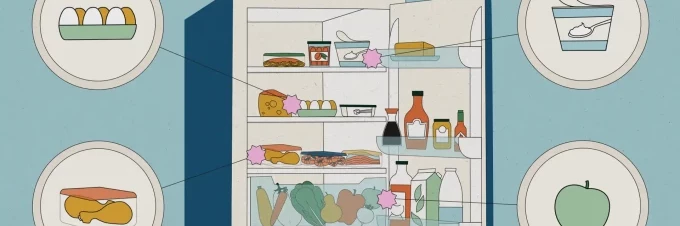
- Have a “use it up” area in the fridge: choose a spot in your fridge for food that needs to be used first. This means food is less likely to get hidden or forgotten at the back of the fridge. When this food is easy to spot, you’re more likely to use it.
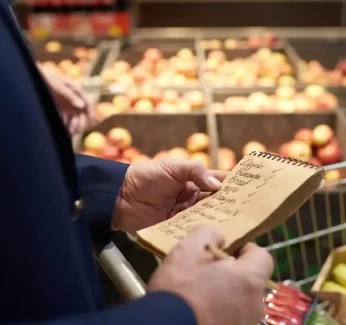
- Mindful shopping: before you go shopping, plan your meals and stick to a list to avoid overbuying.
- Store smartly: keep herbs in a glass of water as you would a bouquet. Store fresh greens in the vegetable crisper in the fridge.
- Reduce packaging: bring reusable bags to the store, where possible. Choose unpackaged summer veggies like tomatoes, aubergines, and peppers. If you do end up with containers, wash, dry and reuse them for storage or organising.
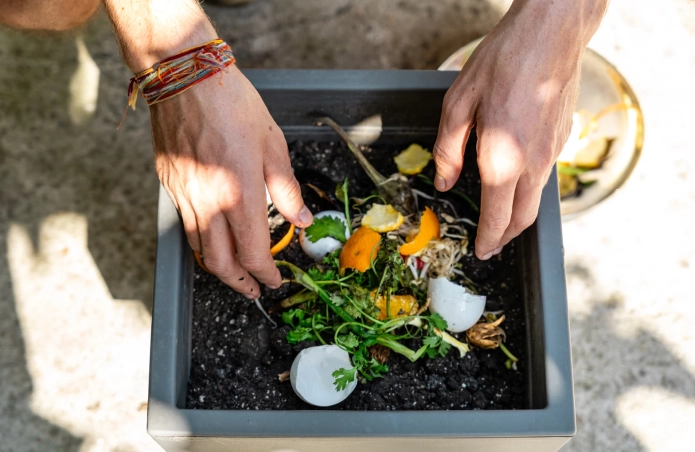
- Compost the rest: even the most creative cooks still end up with food scraps. Try to compost leftovers, seeds, and coffee grinds and return the nutrients to the earth.
Explore more delicious ways to make sustainability part of every meal.
Creative cooking tips
Pickle time: almost any summer veggie can be pickled with a 3 : 2 : 1 mix of vinegar, water and sugar. Slice up your carrots, beets, cucumbers, and radishes when there’s a surplus of them in summer, and you’ll have delicious pickles for months to come.89
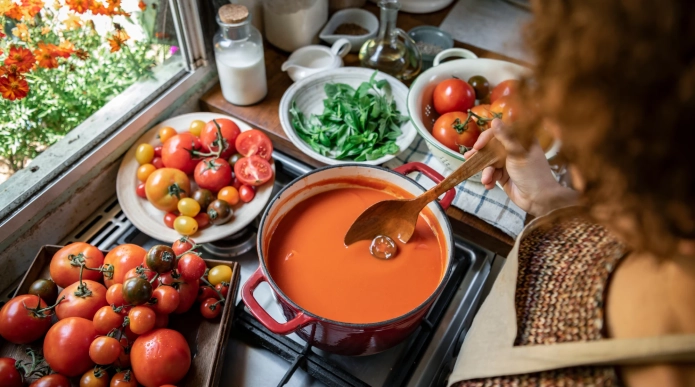
Make a super sauce: slightly soft tomatoes, wrinkled peppers and limp courgettes may not look the best, but they’re still packed with flavour. Instead of tossing them, turn them into a summer ragout or simple tomato sauce with garlic and herbs.
Make a bread salad: when you’ve got too many tomatoes and cucumbers, and stale bread, an Italian panzanella salad is an ideal zero-waste dish.
Why every saved scrap adds up
Cooking with the whole vegetable doesn’t just reduce waste, it adds new flavours, textures, and nutrients to your meals. It also adds a bit of adventure and creativity to your cooking. It’s about being curious in the kitchen, conscious of waste, and seeing every part of your ingredients as an opportunity.
Many commonly discarded veggie bits (stems, leaves, and peels) are not only edible but also surprisingly tasty and good for your body. By using the whole vegetables, you’re contributing to a healthier planet, saving money, and discovering delicious new ways to enjoy food.