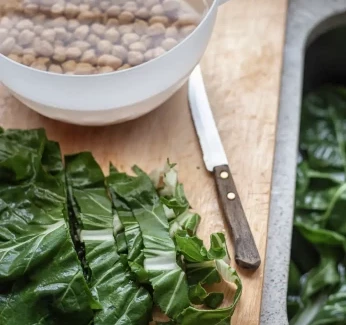
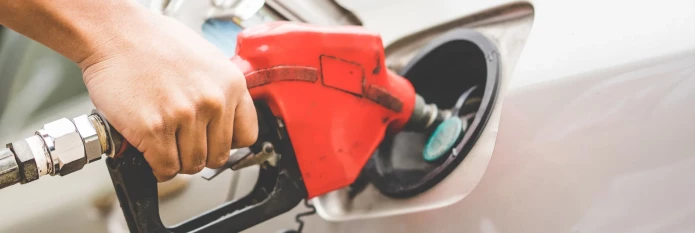
Did you know you can convert food waste into fuel? In Sweden, biogas has been generated from food waste to power households, local buses and even trains as part of their recycling revolution.
How does Sweden do it?
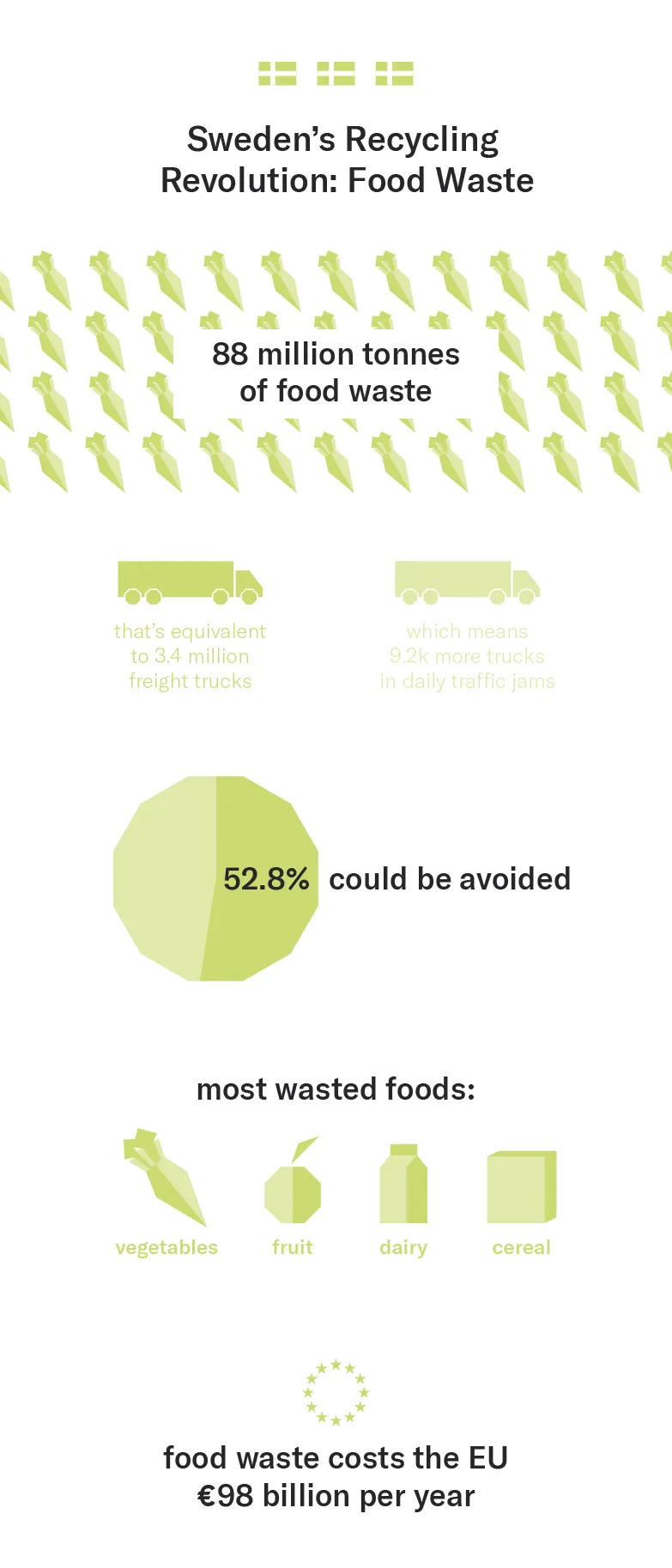
The Swedish has transformed over 2.3 million tonnes of household waste into energy1,2. Wait, what?
Swedish residents first separate their food waste from other waste (like plastic), which is collected alongside waste from canteens and restaurants. This waste is then blended into a slurry and stored in tanks that are taken to local biogas plants, where it is preprocessed and undergoes anaerobic digestion. After the food waste has broken down, it leaves 1) bio-fertiliser, which is used as fertiliser, and releases 2) methane, which is captured and compressed into the biogas that helps power Swedish public transport.4
Food waste can also be taken to local waste-to-energy (WTE) plants, piled and sorted, and then burned at 1000°C. This heat produced at these plants then warms up water for the radiators in Swedish homes. Sweden now even imports garbage from neighbouring countries as part of their waste-to-energy (WTE) initiative1.
What is biogas?
In biogas plants, fuel is produced through a natural process as recycled waste is broken down by microorganisms, producing the gas methane. The process is only effective in high-pressure environments with little to no oxygen.4
The energy produced from food waste has helped power over 250,000 Swedish homes and roughly 20% of district heating.5 In the coming years, Sweden will continuously improve its resource efficiency.