There’s lots to love about soba noodles. They’re light but hearty, flavourful yet mild, and nutritious to boot. Have it in clear warm soup, dipped into light sauce or tossed in a salad—there’s lots you can do with one of Japan’s most celebrated noodles.
What are soba noodles?
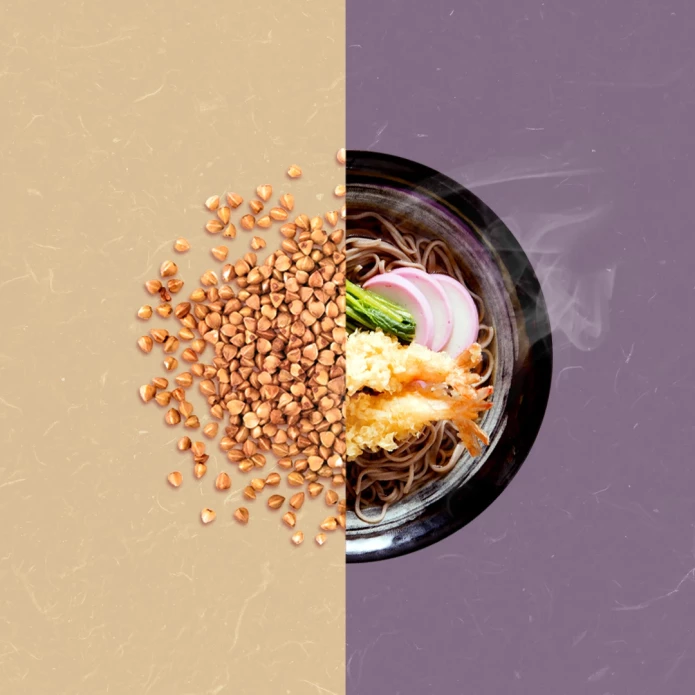
Soba is the Japanese word for buckwheat, a triangular little grain that is the star ingredient in soba noodles. Buckwheat seeds give off a subtle nutty yet bitter flavour when made into flours, groats, teas, and noodles. Despite a misleading name, buckwheat is not actually related to wheat and doesn’t contain any gluten, which makes it very tricky to work into noodles since gluten helps bind foods into a cohesive form.1
Traditional soba
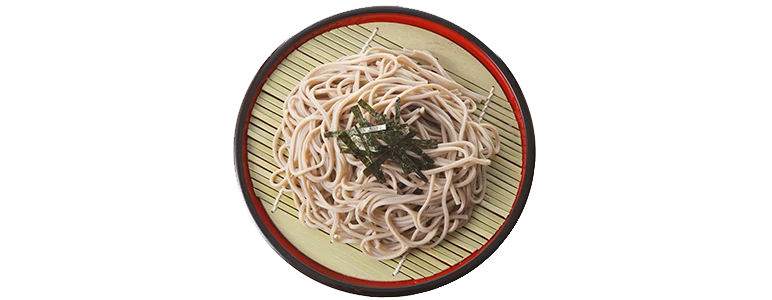
Traditional soba are made entirely of buckwheat flour in a process that takes about a decade to master. Fresh traditional soba starts with making a dough by slowly adding water and working it into buckwheat flour until gritty pieces form and a dough eventually takes shape.2
Masters of the craft have learned to handle the dough with care—too much kneading and the dough could start to break or become too soft to handle. These soba artisans use movements that potters use when working blocks of clay; evocative of ocean waves or a flower opening its petals, so air is knocked out of the dough before it is rolled and eventually cut into thin strands.3
Fun fact: People in Japan welcome a new year by eating a bowl of toshikoshi soba in a custom that is more than 400 years old. Some say this tradition began because the long, thin soba noodles are a symbol of a life that is both peaceful and lengthy, while others think that biting into chewy soba noodles signifies a clean cutting of ties from the old year and past difficulties.10
Modern soba
Unlike working with wheat flours, a gluten-free dough is hard to patch when holes or cracks occur, so today’s soba noodles are sometimes made with a mixture of buckwheat and wheat flour to make a more pliable and forgiving dough for mass production. Commercially produced soba noodles usually contain 40-80% buckwheat flour, with the rest being made of regular wheat flour.4 Generally, a higher proportion of buckwheat flour offers a more authentic, earthy flavour but a more fragile noodle that clumps easily when boiled. Adding wheat flour, however, makes for a milder-tasting and springier soba experience.5
Humble beginnings of soba

Soba, as it is known today, has indelible ties to the history of Japan's futuristic capital. Back when Tokyo was transforming from the small village of Edo into the modern capital it is today, soba noodles were a fast food sold at stalls along the roads. It was a go-to snack, alongside tempura and sushi, for peasants and construction workers who needed something quick and cheap to eat. Eventually, even the ruling classes started eating soba—resulting in a boom of specialised soba restaurants.7
Another reason for soba noodles' popularity in 17th century Tokyo is that it is rich in B vitamins. During a time when Tokyoites lived mostly on white rice, many suffered from beriberi or thiamine (vitamin B1) deficiency; so eating thiamine-rich soba noodles was a simple way for the community to stave off this disease.15 Even now, quick and cheap soba noodles are still very much a part of the city life in Tokyo. Served hot in soup or cold with a dipping sauce, soba is found at standing stalls on train platforms and can even be bought from vending machines!
Outside of Tokyo, different areas have their own variations on traditional soba noodles; sometimes buckwheat is mixed with green tea powder to form cha soba, or flavoured with seaweed like in hegi soba.8 Nagano prefecture is notably famous for its soba restaurants that serve noodles made with fresh buckwheat grown in the surrounding mountains.9
Nutritional value of buckwheat and soba
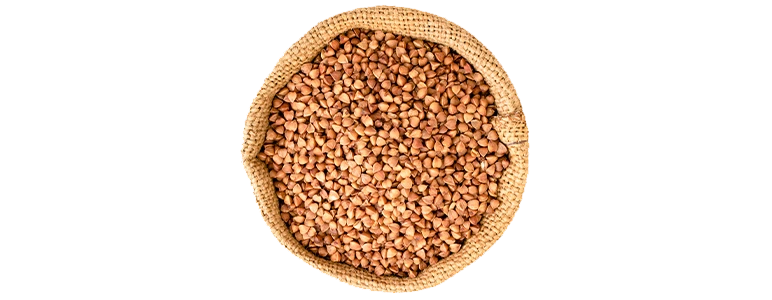
Buckwheat is considered a nutritious grain that is rich in antioxidants. Flavonoids, like rutin and quercetin, are abundant in buckwheat, and these plant compounds are considered antioxidants that could lower your risk of heart disease and cancer.11, 12 Several minerals are also found in buckwheat and soba noodles, such as manganese, iron, copper, and magnesium.14
The buckwheat in soba noodles is also high in carbohydrates and dietary fibre with a low glycaemic index (GI)—so it won’t cause blood sugar levels to spike after eating. On top of this, the grain also has a well-balanced profile of amino acids with especially high levels of lysine and arginine.13
Learn more about the importance of amino acids
Living outside of Japan, you may have to visit a speciality restaurant to find fresh, hand-cut soba noodles. Luckily, packaged dried soba noodles are more easily available and super simple to cook. If you have the time and patience though, there are plenty of recipes online for making your own buckwheat noodles at home—you probably won’t end up a soba master that way, but you should still end up with a delicious bowl of noodles for your efforts.
Fun fact: A famous style of soba noodles is ni-hachi soba; ni meaning two and hachi meaning eight, referring to a dough with 2 parts wheat to 8 parts buckwheat. A dough like this is more forgiving if you’re trying to make this at home.6