When the days get shorter and the weather turns chilly, many of us find ourselves craving pasta dishes, such as lasagne or gooey macaroni cheese. Comfort foods keep us going on these cold, dark days. But sometimes, you might find yourself feeling sluggish instead of energised. Many of these classic winter dishes can be heavy and packed with extra calories, unhealthy fats, or too much salt.

The good news is that enjoying your favourite cosy, feel-good meals doesn’t have to be this way. With a few clever ingredient swaps and smart cooking tricks, you can transform classic comfort foods into lighter, more nutritious versions that are just as satisfying and taste even better. In this article, we’ll explore ways to make your favourite winter recipes a little healthier. This means you can still satisfy your cravings, but also fuel your body with important vitamins, minerals, and fibre to get you through the cold months.
How to give comfort food a healthier twist
Transforming your favourite comfort foods into nourishing meals is all about clever swaps that boost nutrition without losing the flavours we know and love. It starts with some basic ingredients that can make a big difference to your diet. Here are some tasty ways to make your favourite dishes more wholesome and satisfying.
- Choose whole grains. Swapping refined white pasta or rice for whole-grain versions will provide you with sustained energy.2 Whole grains help keep your blood sugar steady and make you feel fuller for longer.
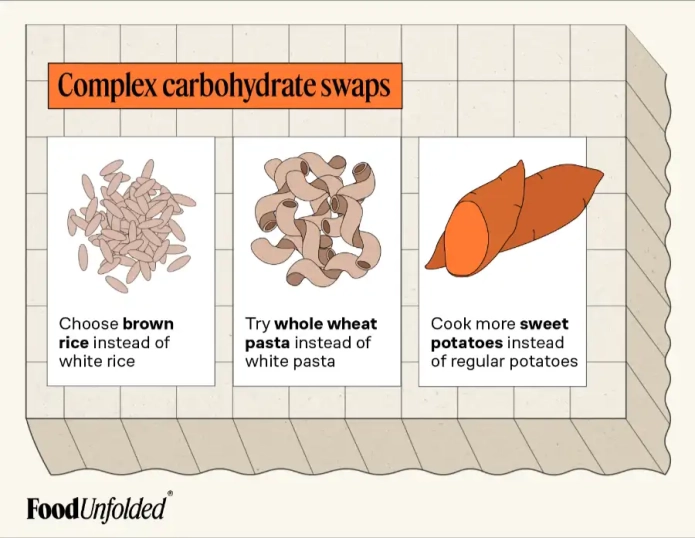
Complex carbohydrate swaps
Choose brown rice instead of white rice
Try whole wheat pasta instead of white pasta
Cook more sweet potatoes instead of regular potatoes
- Embrace plant-based proteins. Instead of relying solely on meat, try adding more lentils, beans, chickpeas, or quinoa to your meals. These plant-based options are rich in protein and fibre, making dishes hearty and nutritious.
- Load up on seasonal produce. Vegetables are your best friends when it comes to healthy comfort foods. They add vitamins, minerals, fibre, and vibrant colours to your dishes. Who doesn’t need a bit of colour during those dark days? Root vegetables such as sweet potatoes, carrots, beets, and parsnips are in season, and they’re full of goodness and essential nutrients. Try buying locally sourced ingredients so your produce will be in peak condition. Local produce is also more sustainable and better for the planet as it doesn’t have to travel so far.


- Boost flavour with herbs and spices. You can make your food incredibly tasty without adding lots of salt or unhealthy fats. Herbs like parsley, thyme, and rosemary add freshness. Spices (think garlic powder, paprika, cumin, cinnamon, and nutmeg) can add deep flavours. Warming spices like ginger, cinnamon, and turmeric also give some extra health benefits, including helping your circulation and digestion.2
- Smart swaps for creaminess and fat. Instead of cream or butter, consider using Greek yoghurt, low-fat milk, or cottage cheese. Another way to add creaminess is to use blended vegetables, such as butternut squash or celeriac. That way, you’re adding creamy texture and extra nutrients. For cooking, use olive oil instead of butter. These changes really reduce saturated fat and calorie content while still keeping the indulgent feel.
- Healthier cooking methods. Opt for baking, roasting, or air-frying instead of deep-frying. This cuts down on added oils and fats, making dishes much lighter but still crispy. Slow cooking is also excellent for breaking down tough ingredients and allowing flavours to develop.
By keeping these ideas in mind, you’re ready to start transforming your favourite comfort foods.
Why we crave comfort
During the darker days of winter, our bodies get less sunlight. With less sun, our brains make less serotonin, the “feel-good” chemical that helps us feel happy and calm. Scientists say that eating complex carbohydrates (e.g. root veggies, brown rice, whole-grain bread) with tryptophan-rich foods (e.g turkey or salmon) can help our body produce serotonin.1 So, eating a diet with complex carbohydrates and lean proteins is a great way to balance our moods and enjoy steady and sustained energy for longer.2
Recipe ideas for healthy comfort foods
Now that we’ve covered the basics, let’s explore some popular comfort foods and how to make them more satisfying and nourishing.
Lasagne makeover: more veg, more fibre, same comfort

Craving a rich, cheesy lasagne? As an alternative to traditional pasta sheets, use thinly sliced courgette strips as layers in your lasagne. You can also use whole-grain lasagne sheets for a fibre boost. For the filling, swap ground meat for a lentil-based mixture. Layer in more vegetables, such as spinach, for more vitamins and fibre. Combine this with ricotta cheese and homemade marinara sauce.
Why it works: lasagne is an ideal dish to load with extra veggies and lentils. It’s already packed with layers of different flavours, so you can easily add whole wheat pasta or courgettes without sacrificing the flavour. Whole-grain pasta will give you more sustained energy, and lentils are full of protein and fibre, which will make your lasagne more nutritious. These are just a few ideas, but feel free to get creative with other veggies and legumes such as aubergines, mushrooms, or chickpeas.
A lighter shepherd’s pie with a wholesome twist

Ever tried a shepherd’s pie? It’s essentially a casserole with a layer of rich meat sauce, with creamy mashed potatoes and melted cheese on top. It’s a very hearty and comforting dish. But you can make this winter meal even healthier and tastier. Instead of traditional mashed potatoes, use mashed sweet potatoes for the topping. Sweet potatoes are rich in vitamin A, fibre and complex carbohydrates.2 Their natural sweetness reduces the need for butter or cream. You could also try a spiced parsnip mash, which, as it’s already nicely spiced, means you won’t need that sprinkle of cheese. For the hearty filling, you could use lentils instead of fattier lamb or beef mince. Or, to start with, you could do a mix of each, which means you’d be using half the amount of meat. To boost flavour, add a few dashes of soy sauce, which has natural umami. Load the filling with plenty of carrots, peas, and onions to boost the nutrient content.
Why it works: Shepherd’s pie is already a very comforting dish, but a few spices, extra veggies and lentils make it even more nourishing and satisfying. Sweet potatoes are full of nutrients and naturally sweet. Lentils are a great source of plant-based protein and fibre, making the dish hearty and healthy.
The wonder of umami
Umami is the “fifth taste” (alongside sweet, salty, sour, and bitter). It’s often described as a natural flavour enhancer and can make foods taste richer and more satisfying. Umami comes mainly from glutamates* that naturally occur in some foods.3 These “umami” flavours can really enhance your dishes without needing extra salt or unhealthy fats. For instance, mushrooms are excellent for deepening the umami taste in a meal. They can make vegetarian dishes feel “meaty” and satisfying. Likewise, miso, which is a fermented soybean paste, gives a special umami taste to soups and other dishes. Even tomato paste can add umami and richness to broths and sauces. These ingredients delight your taste buds, making food taste more delicious and satisfying and often boost nutrition.
Fruit crumble with more natural goodness
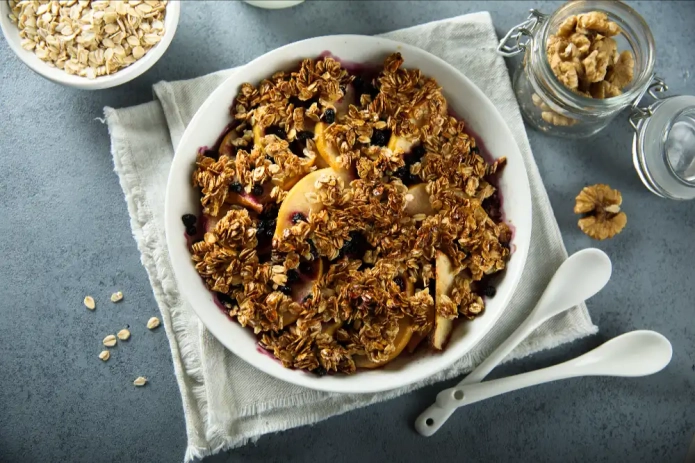
Fruit crumbles are heartwarming and wholesome desserts. There is also a lot of opportunity for them to become a healthier option too. For example, when it comes to the crisp crumbled topping, you can try using rolled oats and almond flour (or whole-wheat flour) instead of just flour. And rather than lots of sugar, the stewed fruits and the topping can be sweetened with just a touch of honey.
Why it works: Autumn brings many delicious fruits, including apples, pears, and plums. These fruits are naturally sweet and don’t need a lot of extra sugar. Honey enhances their flavour. Oats and almond flour increase fibre and healthy fats in the topping, making it more nutritious than a butter-heavy, white-flour topping.
Other clever comfort food swaps
Potato crust quiche: skip the pastry and use a mix of potatoes and sweet potatoes for the base instead. You get all the flavours of quiche with extra fibre and vitamins from potatoes.
Instead of cheese, add lots of fresh herbs and spinach to your quiche filling.
Energy-packed waffles: use a blend of bananas, eggs, and oats instead of traditional white flour for your batter. These oat and banana waffles are packed with healthy fibre, protein, and vitamins.
Mushroom and shallot stew with root mash: add root veggies to your mash, such as sweet potato and celeriac, for more richness and flavour. Serve with a rich mushroom stew made with slow-cooked shallot onions and mushrooms.
Comfort without compromise
Comfort food doesn’t have to mean heavy and fatty food that makes you feel tired and guilty. As we’ve seen in this article, most comfort foods can be made with more nourishing ingredients and be better for your body and well-being. By making small, smart adjustments to your favourite classic recipes, you can transform them into dishes that are just as comforting and delicious, but packed with nutrients that keep you feeling good and energised, especially during colder months.
These recipe swaps are just a starting point. Once you’ve tried a few, you might feel confident enough to experiment with different seasonal vegetables, lean proteins, and spices in your own kitchen. Swap half your pasta for cauliflower in other dishes, try lentils in casseroles and stews, or use more fruit, nuts, and oats for healthier desserts. The goal is to find joy in cooking and eating meals that truly satisfy your body.