As COVID-19 wreaks havoc on food industries worldwide, causing the closure of businesses, slowing factory outputs and hampering supply chains, I’ve decided to look into what’s going on in my country, the UK. I’ve investigated why certain food items are harder to come by and how UK producers are showing their resilience in light of these hardships.
Disrupted Food Chains
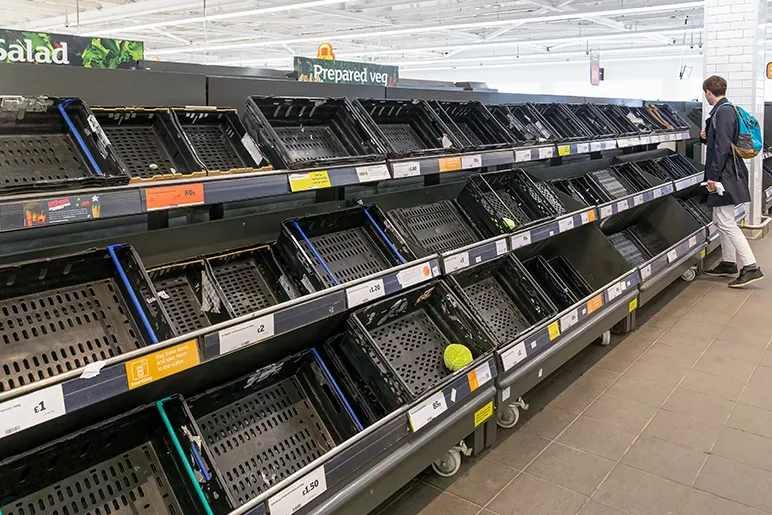
In March, urged by the government to control the spread of COVID-19, the UK saw most of its foodservice sector – restaurants, cafés, schools and hotels – close their doors, unsure of when they would open them again. Virtually overnight, demand for the food service dropped a staggering 80%,1 causing what has been described as a ‘tsunami’ of consumer demand diverted from the food service sector to supermarkets and grocery stores.2
With the UK population unable to buy meals out, it’s estimated that 500 million more meals will be eaten at home per week than would usually.3 This seismic shift in consumer behaviour is having diverse and far-reaching impacts on many food producers across the nation, with wholesale food suppliers being hit the worst. Below are three food sectors experiencing the brunt of COVID-19’s impact:
Quarantine Baking & Flour Shortages
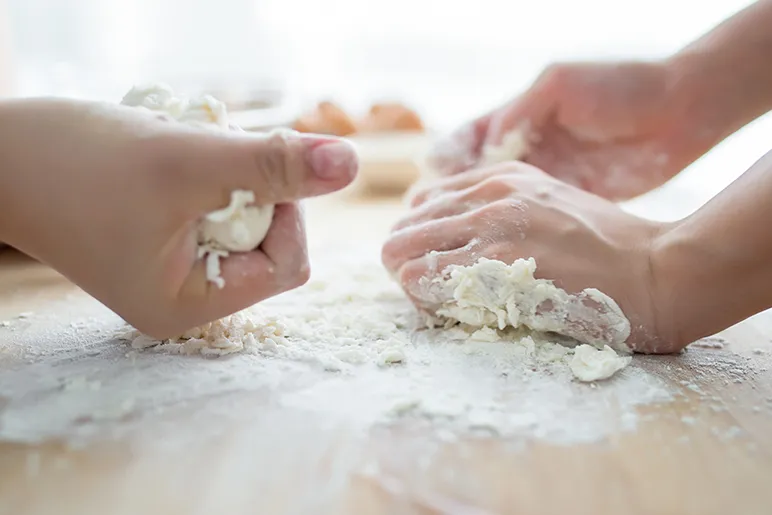
In the lead-up to the nationwide lockdown, one of the first products to disappear off supermarket shelves was flour, with the British public turning to baking as their go-to isolation hobby. Compared to March last year, flour sales increased by an astonishing 92%.4 This baking revival, alongside a climbing demand for flour, has left retail suppliers working at maximum capacity to replenish supermarket stocks.
There’s enough flour to go around
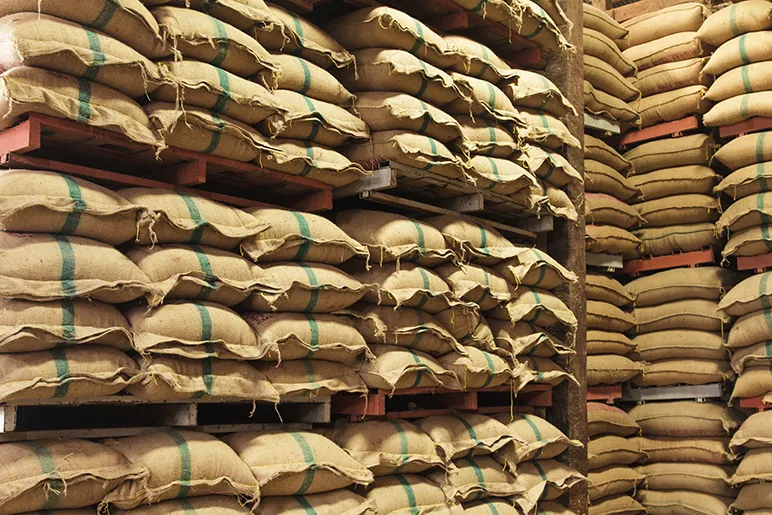
But the fact that flour is hard to come by doesn’t mean there’s not enough around. The UK is entirely self-sufficient in flour, producing some 90,000 tonnes weekly. Normally, of this total, just 4% is sold in supermarkets, leaving a whopping 96% snapped up by commercial bakeries and food manufacturers.5
Herein lies the problem: The flour sold to bakeries and manufacturers is delivered in large, industrial 16-25kg sacks, which even the most ardent home baker would shy away from. With such a small fraction of flour being sold to retailers, most millers aren’t equipped with the facilities needed to pack flour into the 1kg bags you’d find in supermarkets.6 As more of the nation’s food businesses close, many millers are rethinking their operations to adapt to new consumer demands – and repackaging products that were destined for other markets will be pivotal in solving this issue.
Meat Industry Disruptions
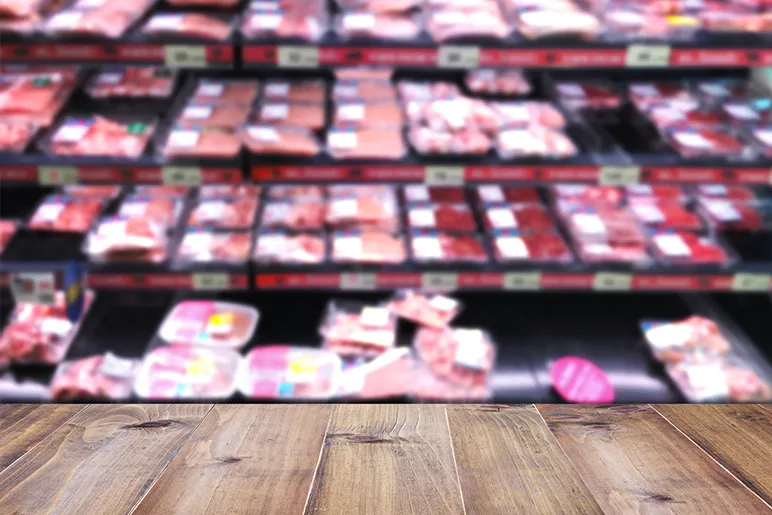
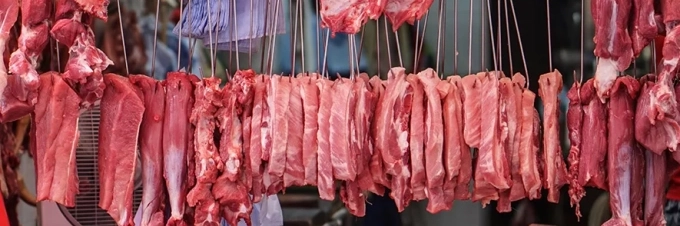
Another recent coronavirus casualty is the meat industry. With its main customer base – the food service sector – having closed up shop, many processors are left with a backlog of stock and nowhere to send it. Step into a supermarket, however, and a completely different picture emerges. Walking down the meat aisle, the shelves are bare of products such as chicken, sliced meats and beef mince. Other items, however, like steak and roast joints, aren’t being touched.7
The key factor in this is that since lockdown, many households are making pragmatic, economical choices when it comes to what they buy – leaving luxury cuts like steak and roast joints off the menu. The figures speak for themselves: last month, beef mince sales rose by 45%, coming to make up 60% of all beef products sold in the UK.8
Wasted Meat
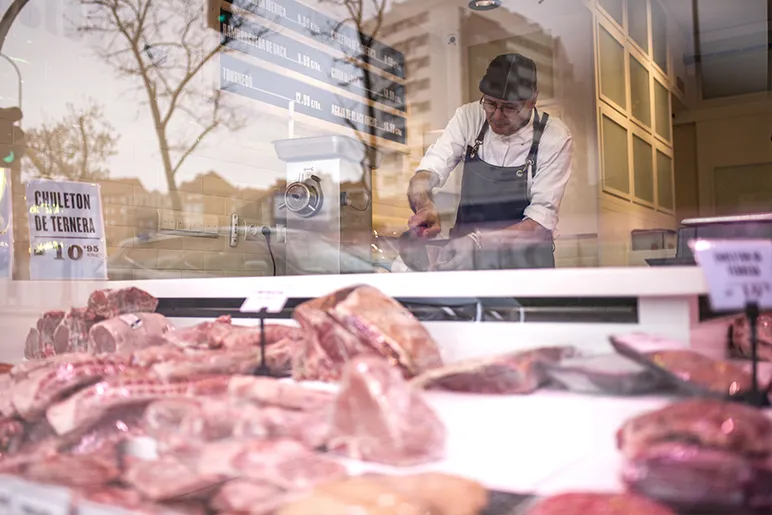
While this may seem like an inadvertent win for beef producers, these novel buying habits are upending what’s called the ‘carcass balance’. With only some cuts being bought by retailers and consumers, farmers are earning less for the whole carcass of an animal, degrading beef production from an economic, ethical and sustainable standpoint. This, coupled with isolation-related reduced staffing levels and a slowed down production line due to social distancing, is severely disrupting supply chains.9
As we’ve also seen with flour, packaging requirements vary hugely depending on whether the food is meant for hospitality or the supermarket shelf. Many meat suppliers do not have the machinery or packaging necessary to create individually vacuum-packed, nutritionally labelled cuts that the retail sector requires.10
Got Milk?

The dairy industry isn’t immune to the disruption caused by COVID-19 either. Farmers across the UK are being forced to pour away what’s been estimated at a million litres of milk every day.1 Meanwhile, dairy products are sold out in shops following a 20% surge in consumer demand.11
What’s the cause of this paradox? The food service sector makes up roughly 15% of the dairy market, which is a significant proportion when you break it down.12 Just think about takeaway coffee – on average, nearly a billion servings of latte are bought across the UK each year.13 Without this demand, farmers who would normally supply businesses are scrambling to redirect their produce to shops.
And, unfortunately, as we’re seeing with beef and flour, converting wholesale dairy into supermarket standard products is presenting logistical and packaging nightmares for processors. It would take a huge amount of resources, time and capital to install, for example, the equipment needed to bottle up milk which would ordinarily arrive in bulk bags to food manufacturers, cafes and restaurants.14Alongside the fact that many retailers typically buy from a single supplier, accessing retail markets is proving increasingly challenging.15
Adapting Through Innovative Operations
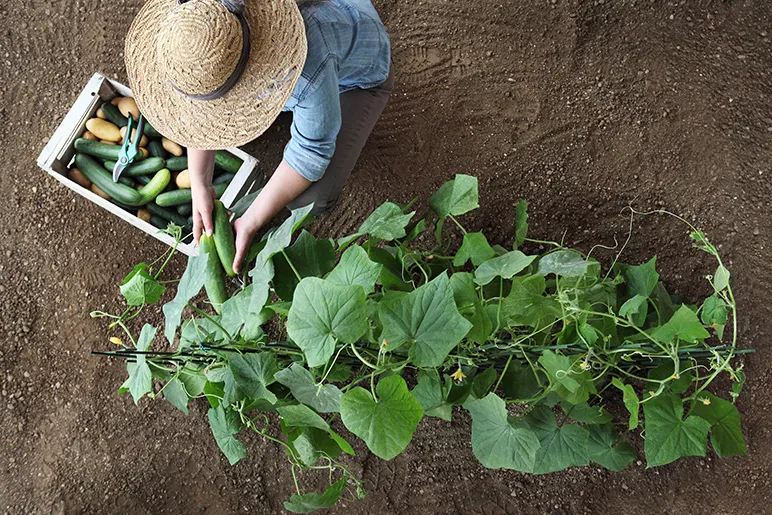
Faced with a dwindling food service sector and obstructed routes to retail, producers are showing they are nothing if not resilient, adapting their business strategies to maintain sales.
Changing Production Operations
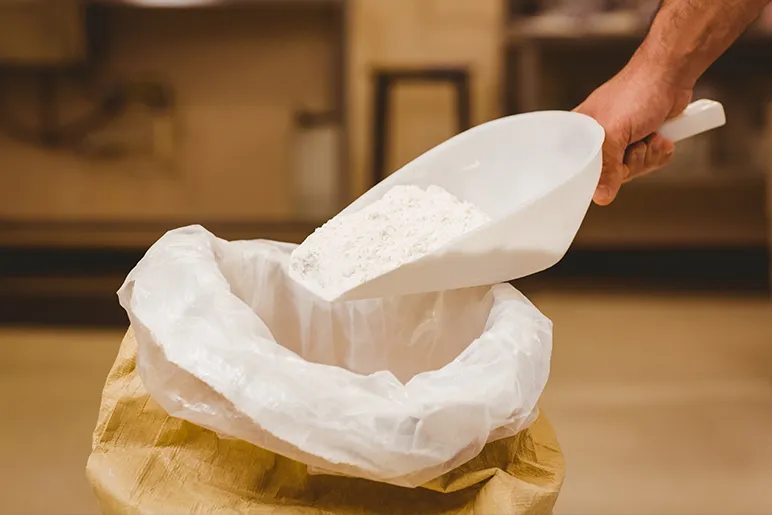
Retail flour millers have started ramping up production, hiring enough staff to transform production and packing lines into a 24/7 operation, significantly increasing their output to shops.16 In the meat and dairy industries, many suppliers are gaining direct access to consumers by embracing digital technologies, rapidly launching websites for their products and using social media platforms, online marketplaces and direct-to-home ordering systems to ensure sales.
Helpful Apps & Websites
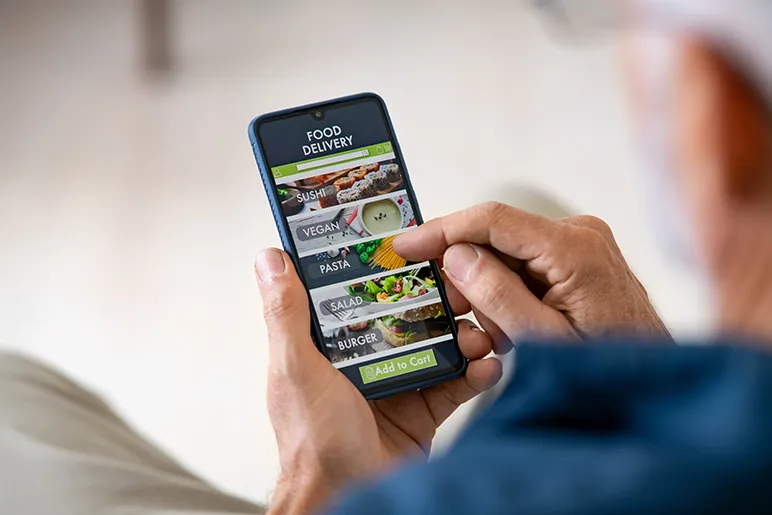
Third-party websites such as Big Barn, Find Me a Milkman, Neighbour Food and the Farmers Weekly Map are also proving to be vital resources, helping to connect consumers with local UK suppliers, offering direct sales with contact-free delivery to the public and cutting out the supermarket middleman.17
Digital initiatives like these are nothing short of a lifeline for farmers, helping shift stock, reduce food waste and prevent closures. But this isn’t just good news for producers – these emerging services are also working to mitigate the spread of coronavirus by reducing the number of people visiting busy supermarkets while also providing safer access to food for more vulnerable members of the public.
Global Response
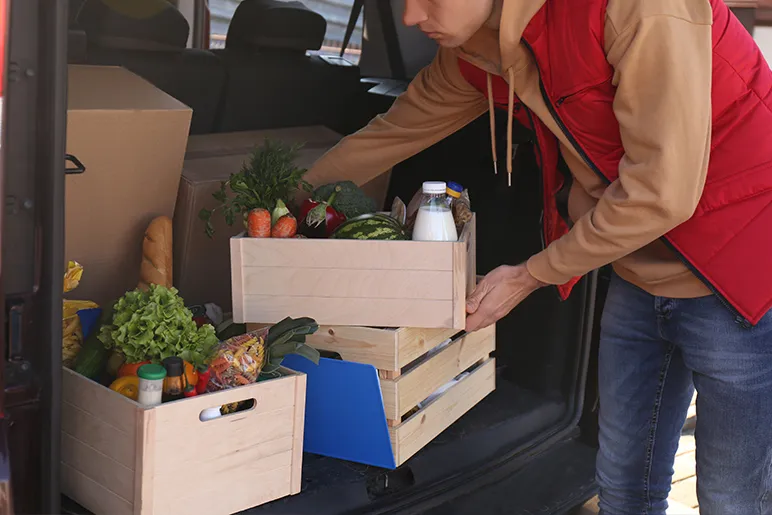
And it’s not just the UK food industries that are having to adapt to this crisis – inventive solutions are springing up around the world to connect producers with consumers: In Norway, farmers are using Facebook groups to sell their produce directly; across the United States, Netherlands and elsewhere, creative growers are offering drive-ins for consumers to buy goods.18 As time passes, more UK producers may adopt creative responses like these.