Meat and fish are sources of protein. This article will delve into their nutritional profiles and weekly recommended servings from Spanish institutions.
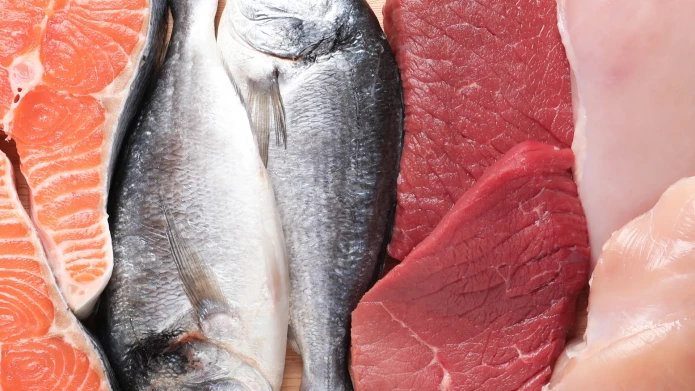
Meat and fish, sources of protein
Meat and fish are different food groups, but they have something in common. Both are sources of protein, a nutrient important for our muscular health. The proteins found in meat and fish are of high biological value, meaning that they contain all the essential amino acids required to support our body functions in the right proportion. Besides proteins, these groups supply various important nutrients such as vitamins and minerals.
Meat: nutritional profile and servings
Meat is a source of group B vitamins and several minerals such as iron or magnesium. Group B vitamins provide energy for our body and brain. Meat’s iron is “high availability iron”, meaning that it has a higher rate of absorption and usage than plant-based sources of iron for normal body functions. Eating 3 weekly servings of meat, choosing lean cuts, is recommended by the Spanish Society of Community Nutrition (SENC). According to the same guidelines, red and processed meat consumption should be moderate (once a week or less).
Fish: nutritional profile and servings
Fish is a source of vitamin D and minerals such as phosphorus and iodine. Fatty fish is rich in polyunsaturated fatty acids Omega3, which reduce the “bad” cholesterol (LDL) – by cutting down triglyceride levels and preceding substances, which play a significant preventive role in cardiovascular diseases. Vitamin D is important for correct calcium fixation in bones, and phosphorus helps to maintain healthy teeth. Fish consumption is particularly important for pregnant and breastfeeding people and during periods of growth such as childhood. Eating 3 to 4 weekly servings of fish is recommended by the Spanish Society of Community Nutrition. Shellfish are high-quality protein sources, low in sodium, calories, and saturated fats. Shellfish also contain polyunsaturated fatty acids Omega 3 and are excellent sources of vitamins (B1, B12) and minerals such as phosphorus, potassium, iron, iodine, fluorine, and zinc.
General recommendations on meat and fish consumption:
- Choose fresh and quality products
- White meat (chicken and turkey) has less saturated fat than red meat (beef, pork, lamb).
- Choose lean cuts of meat and poultry, avoiding the skin to reduce fat content.
- If you choose pre-packed meat, check the nutrition label to see how much fat it contains. Compare similar products and choose the best one.
- Trim off as much fat as possible before cooking meat and pour off the melted fat after cooking.
- Avoid frying to reduce the fat content. Use healthier cooking methods: bake, broil, stew, roast, or stir-fry.
- Chill juices after cooking meat; it will make it easy to skim off the hardened fat. Those juices can be added to stews, soups, or gravy.
- Reduce the consumption of processed red meats such as bacon, ham, salami, sausages, hot dogs, beef jerky and deli slices. They are generally high in fat and salt.
- If you do not like fish or seafood products, make them more palatable by adding a flavourful sauce or marinating them.
- Children, pregnant women, or those planning to have a baby should avoid eating shark, marlin or swordfish and reduce tuna consumption. They contain high levels of mercury that can be prejudicial.
Do you want to receive information and advice about how to improve your food habits and choices? Check our partners’ website ASSIST: Towards a smarter shopping list.