Origins of the term
Back in the late 1980s, Robert Rodale, a big name in organic farming, started pushing the idea of regenerative agriculture. He thought the term “regenerative” was more powerful than sustainable.
Regenerative agriculture seeks to undo the damage caused by decades of industrialised agriculture. But what does ‘regenerative’ actually mean, and is it really a viable solution to grow food without negatively impacting people or the planet?
Our team at FoodUnfolded has spent over a year trying to figure that out. We’ve written articles, puzzled over data, and even made a documentary about it. Here’s what you need to know.
Back in the late 1980s, Robert Rodale, a big name in organic farming, started pushing the idea of regenerative agriculture. He thought the term “regenerative” was more powerful than sustainable.
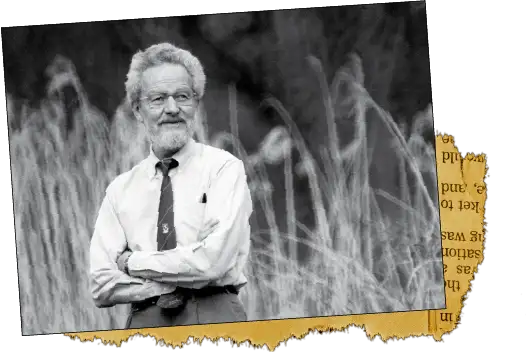
“I prefer the idea of regenerative agriculture. I’m not satisfied with the term sustainability [...] I don’t think the average person wants to live in a sustained environment, they want to live something that is expanding and going better, so I think the idea of regeneration is more appealing.”
While there is still no universal definition for regenerative agriculture, the broad goal is to adopt agricultural practices that leave both people and the planet in a better state than when production first started. And the movement is gaining momentum for good reason.
Since the 1960s, conventional agriculture has relied on fossil fuels and synthetic inputs like fertilisers and pesticides to boost agricultural production. While this successfully helped us to provide enough calories for a growing population, conventional practices also cause some serious problems. As of today, our current food system is a major driver of greenhouse gases, biodiversity loss, water use, and a widespread reduction in soil health - something we’ll need to maintain if we are to keep producing food long into the future.
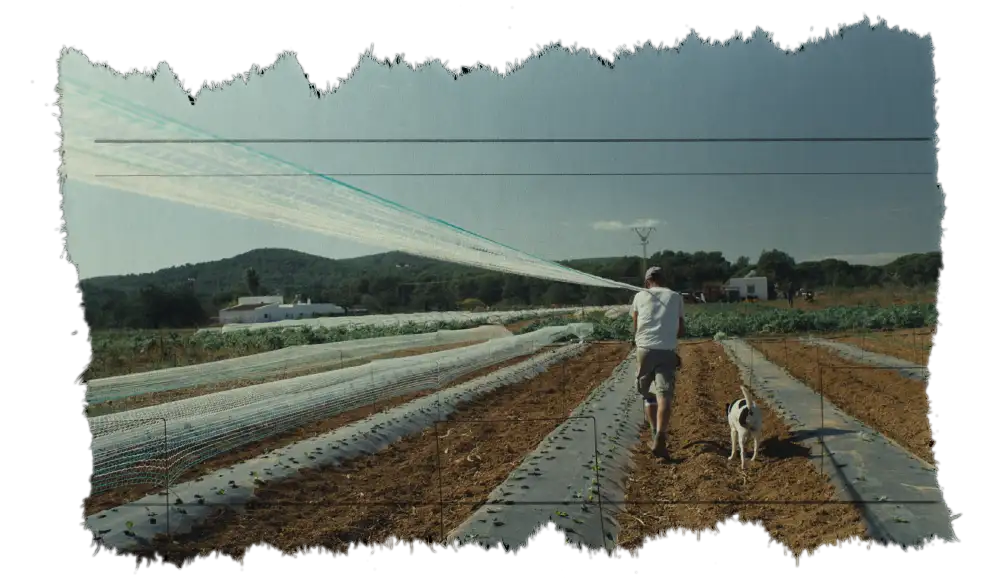
Regenerative agriculture offers a solution to this — aiming to store more carbon than is produced (sequestration), improve biodiversity, and prioritise the long term health of soils.
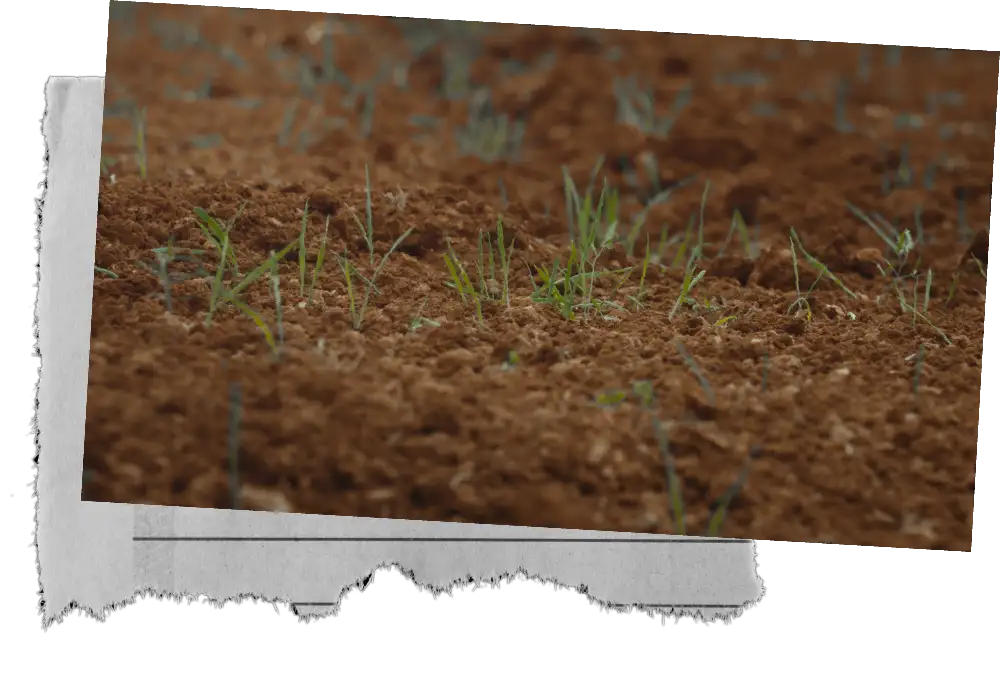
But with regenerative agriculture not quite fitting the mould for conventional or organic, where does it really fit into the wider picture of farming movements?