Facebook

Do you care about the food system? Take part in our Annual Survey 2025

Take the survey

Ultra-Processed Foods (Unfolded)

Ultra-processed foods are carving a new culture of quick calories and convenience around the world. But what exactly are these ultra-processed foods, why are they in the spotlight, and how have they really affected our health, habits, and relationship with food?

Is food processing always a bad thing?

Food processing isn’t a new concept. In fact, archaeological evidence suggests early humans have been using fire to process food for up to 780,000 years. Since then, we’ve increasingly leveraged new technologies to help us process, preserve, and package our way to a culinary landscape where the local seasons have little impact on what we see on our shelves. 

For the most part, this journey into food processing has been fairly positive for us. A true culinary enlightenment that continues to help us improve flavours, increase shelf-life, and unlock key nutrients within our food. In recent years, however, the positive narrative has taken a more negative turn following research into a relatively new group of foods, now known as ‘ultra-processed foods’ (UPFs).

When did 'ultra-processed food' take off?

When did 'ultra-processed food' take off?

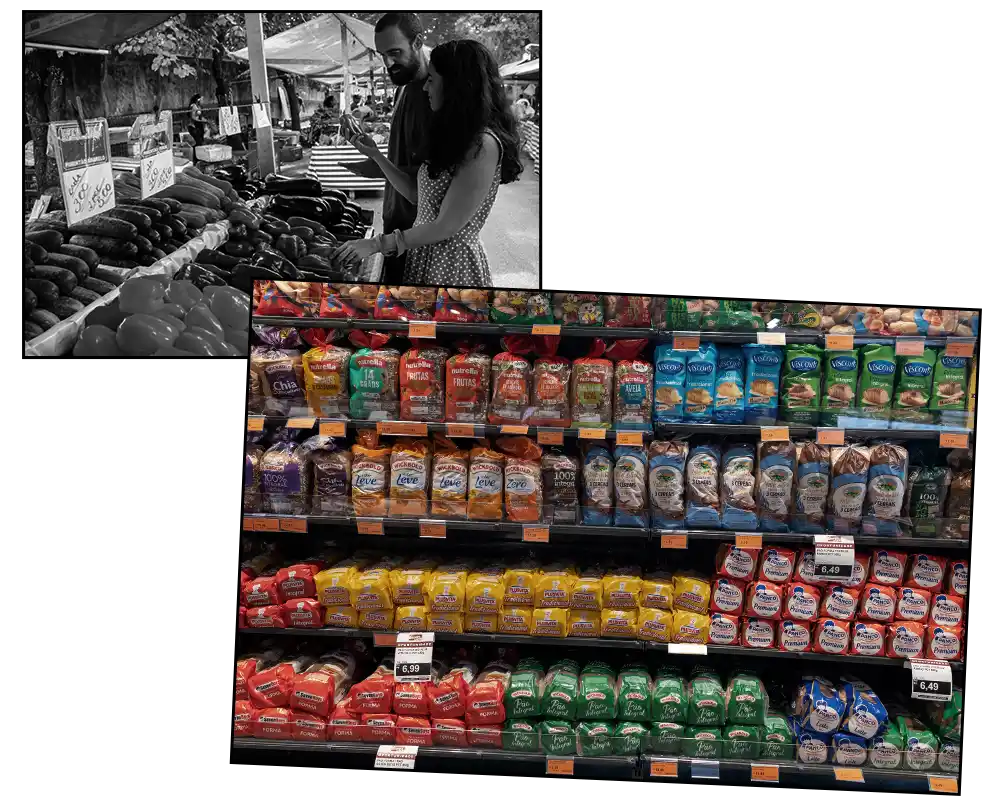
To understand where the concept of ‘ultra-processed’ foods began, we need to look back to 1990s Brazil, where nutritional epidemiologist Carlos Monteiro first observed a concerning trend of rising childhood obesity in his country.
 

Digging deeper, Monteiro’s research revealed a suspected link between rising obesity and a notable decrease in the consumption of fresh ingredients. Alongside this, his team saw a marked increase in the intake of highly processed foods such as sodas, sausages, instant noodles, packaged breads, and biscuits.
 

How is UPF classified?

How is UPF classified?

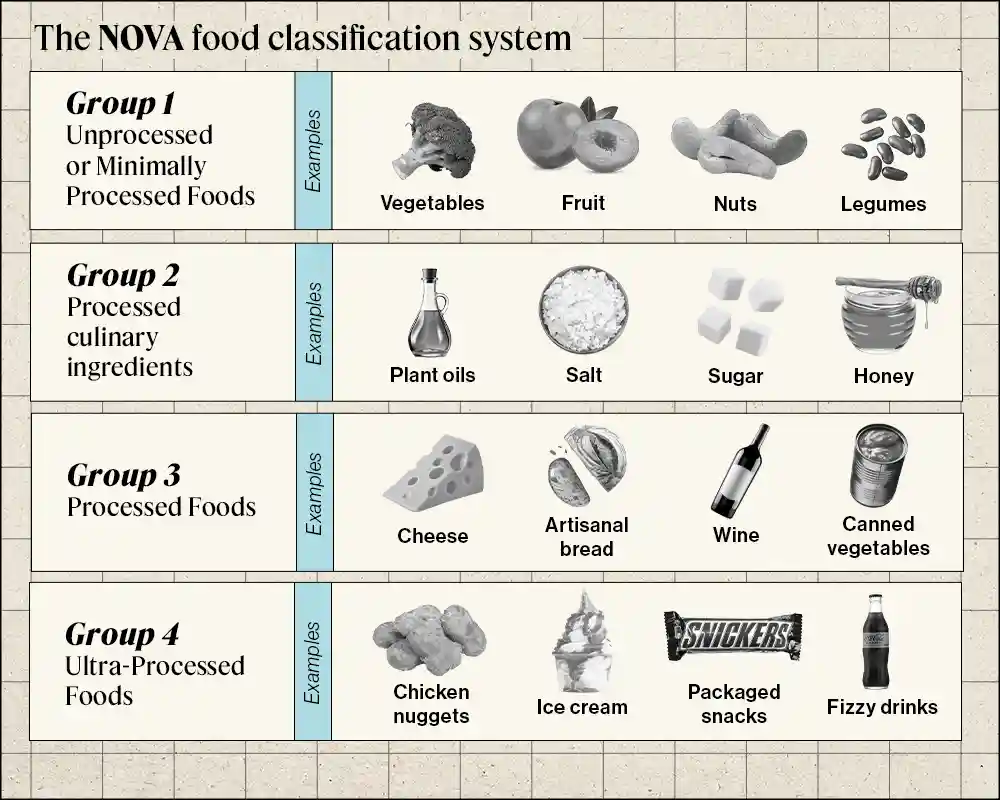
For the sake of research, Monteiro’s team came up with the NOVA food classification system that categorised foods into one of four groups, from raw foods (Group 1), to what they coined as “ultra-processed foods” (Group 4) - categorised as ‘formulations of ingredients that require complex processes and advanced equipment to make’.

After their work on UPFs, Monteiro’s team linked these Group 4 foods to weight gain among both children and adults in Brazil. Since then, research has associated high intakes of UPFs with a variety of health issues, including heart disease, type 2 diabetes, obesity, gastrointestinal disorders, depression, and even premature death.
 

What exactly are 'ultra-processed' foods?

Since Monteiro’s early definition, our understanding of what UPFs really are hasn’t changed a whole lot. UPFs are still broadly agreed to be highly engineered products that rely on industrial processes, additives, preservatives, and sweeteners for their taste and texture. But almost three decades later, UPFs remain without a universally agreed definition. And there are a few good reasons for this. 

Firstly, UPFs vary (a lot) - both in product and process. This means a wide spectrum of food products can fall into this category. Wide enough to include some relatively healthy foods too, like low-fat yoghurts or store-bought wholemeal breads. This has led to questions over what should be considered a UPF, and whether health impacts associated with UPFs are linked to processing or the products themselves.

Secondly, there is no consensus on the number or types of processes involved for a product to be considered ultra-processed. Similarly, there is no specific ingredient list that clearly identifies when a product crosses the line from ‘processed’ to ‘ultra-processed’. But while this definition uncertainty has caused headaches for some researchers, there are still a few common tell-tales to help us pick apart the vast majority of UPFs from other processed foods.

Dive deeper on the Monteiro's research and the origins of ultra-processed foods

How do I know if a food is ultra-processed?

We now know that many UPFs are not great for us, at least not in excess. We also know broadly what they are. So how can we spot them? Thankfully, navigating them at the supermarket isn’t too difficult. 

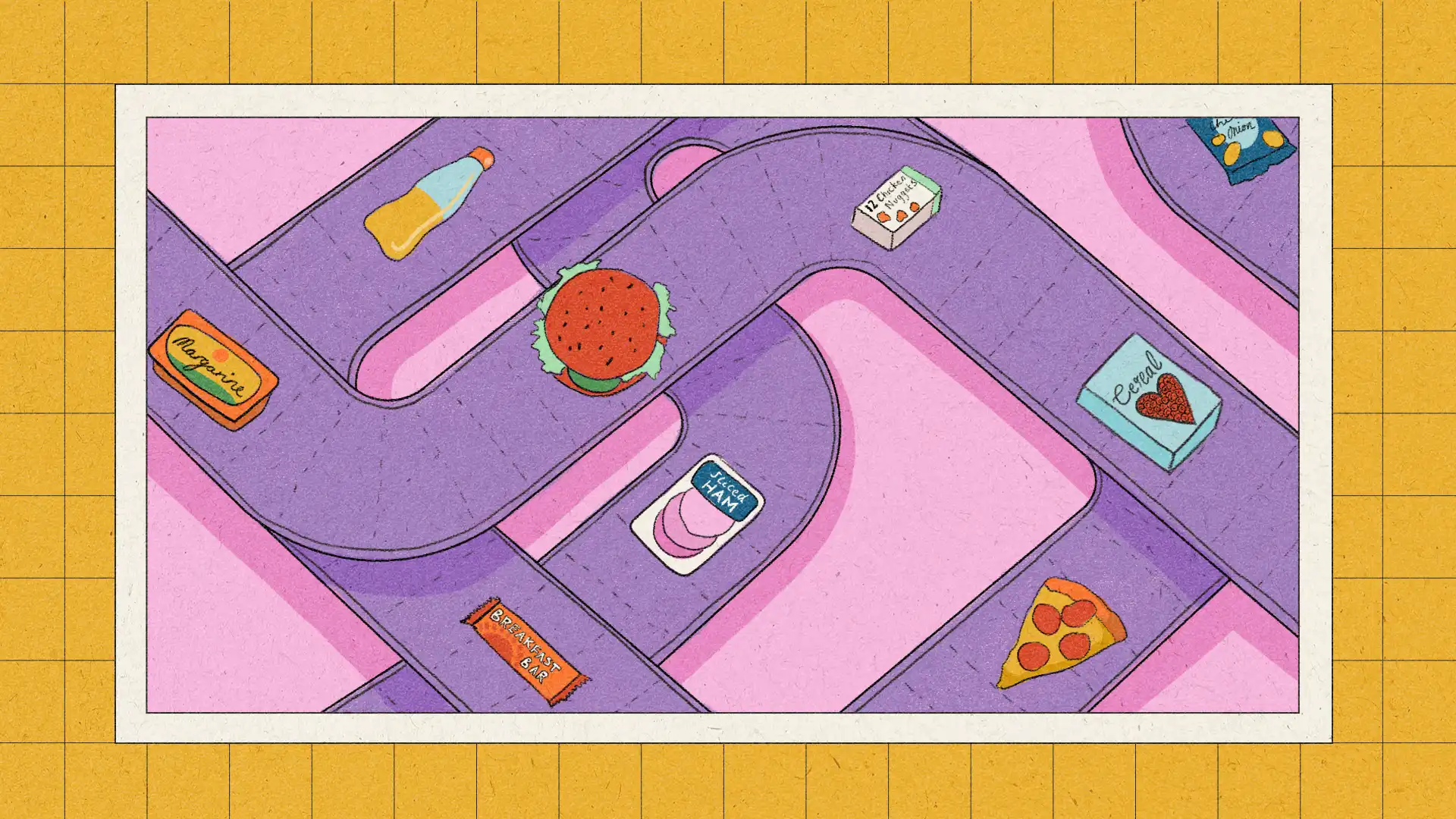
One simple way to identify UPFs is to ask yourself if you could recreate that product in your own kitchen using ingredients you might find in any regular kitchen. If you can’t because of the ingredients or processes involved, it’s likely ultra-processed - think breakfast cereals, energy drinks, microwave meals, crisps, chicken nuggets, and many instant, 'slimming’ or low-fat products, margarine and mass-produced breads with refined flours.

It is worth noting that not all UPFs are inherently bad for us. As with any food, if you want to sort the good from the bad, the standard rules apply - anything with high levels of sugar, salt, or unhealthy fats is more than likely not great for your health in excess.

Learn more about the differences between processed and ultra-processed foods

Are ultra-processed foods really that bad for us?

At this point, you might be thinking, ‘So what? These ultra-processed foods make life more convenient. All we have to do is moderate our intake if research suggests many of them are unhealthy’. And that would be a fair position to take. But the way UPFs were produced, targeted, and marketed is a long way from fair and the convenience of UPFs comes with a few hidden costs that we’re only now beginning to fully understand.